
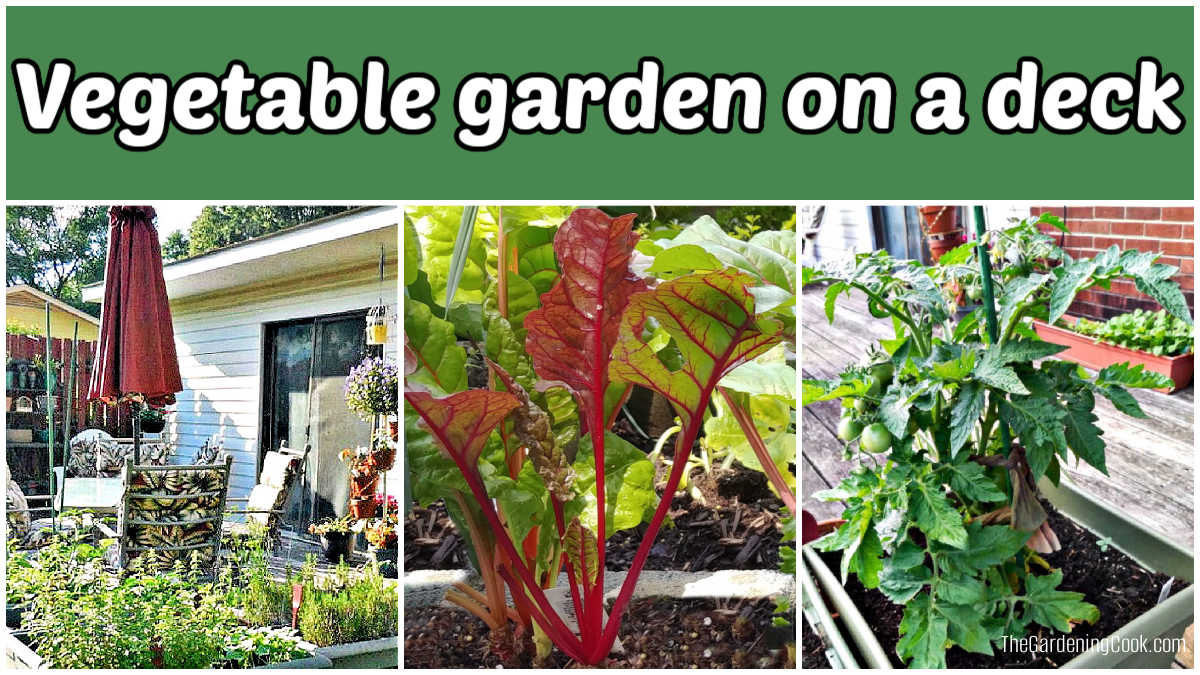
Many beginning vegetable gardeners make the common mistake of starting too large. If you don’t have a large yard with room for a traditional garden, growing a vegetable garden on a deck is a simple and surprisingly productive alternative.
You don’t need acres of space to grow your own food. Choose the right containers, add good sunlight, and smart plant choices, and a deck or patio can produce tomatoes, peppers, herbs, lettuce, and more – all just steps from your kitchen.
In this guide, I’ll share what I’ve learned about container gardening on a deck, including the best vegetables to grow, how to set up your containers, and how to protect your deck while you garden.
Some of the links below are affiliate links. I earn a small commission, at no additional cost to you, if you purchase through an affiliate link.
Tips for growing vegetables on a deck

Over the years, I’ve experimented with several vegetable gardens: from a 1000-foot backyard plot that the squirrels decimated, to a combined perennial and vegetable garden, and now my patio vegetable garden on the back deck.
Through these experiences, I learned that even a small space can produce a satisfying harvest. The best part? Your vegetable garden is just a few steps from your kitchen, making it easy to enjoy fresh, homegrown produce every day. The practical tips below will help you get the most out of your deck garden.
The best vegetables to grow in pots and containers
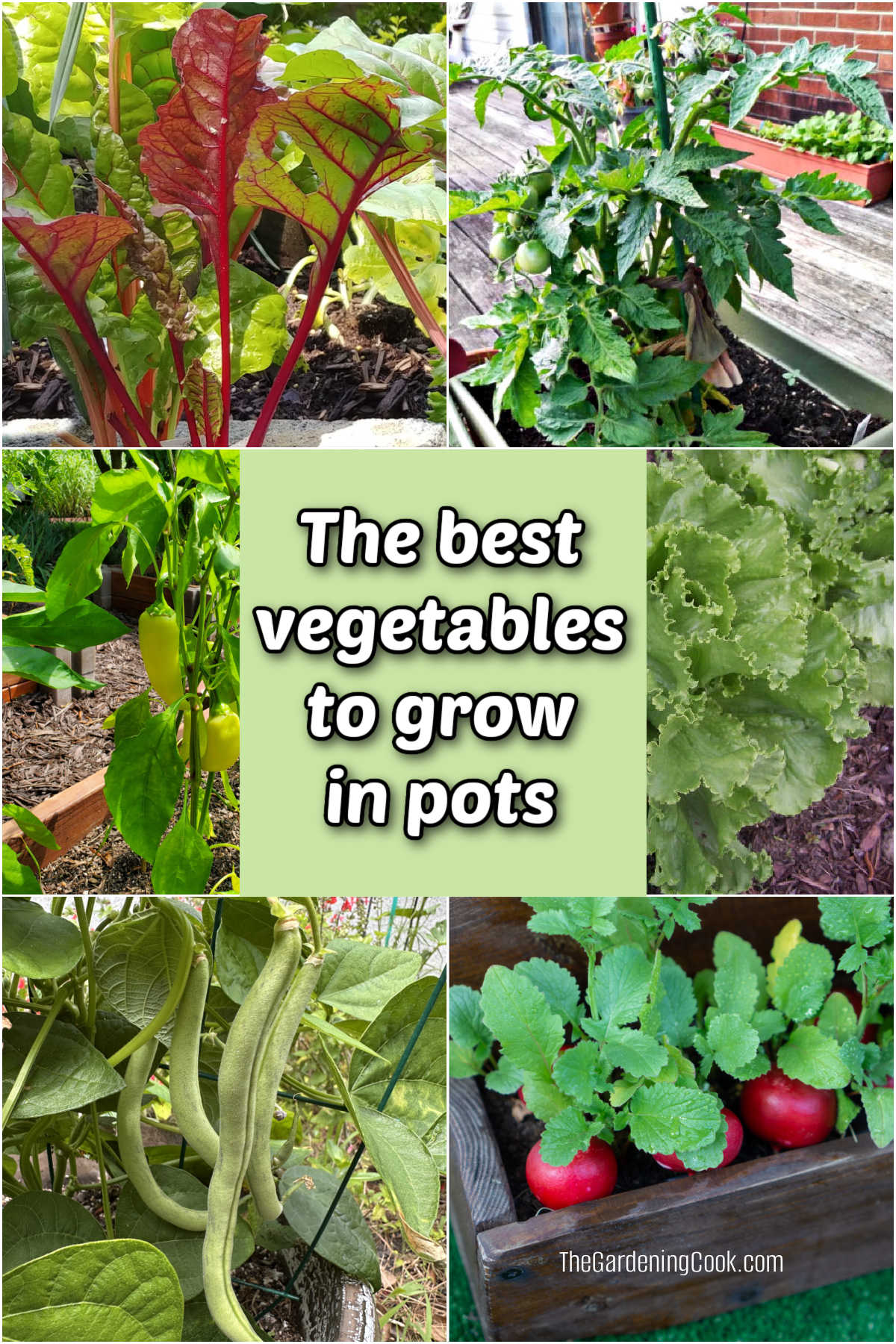
Most vegetables that grow in the ground will also thrive in containers. The real choice is yours – grow what you like to eat! I’ve found that these are easy vegetables to grow in containers:
- Tomatoes – determinate and cherry varieties are ideal for containers.
- Peppers – sweet bell peppers and hot peppers both grow well.
- Cucumbers
- Spring onions
- Turnips
- Swiss Chard
- Leaf lettuce
- Radishes
- Beets
- Green beans
- Onions
- Eggplant
Pro tips: Avoid very large or sprawling crops like corn, indeterminate tomatoes, squash, watermelons, and other melons. These plants require more space and support than most containers can comfortably provide.
Fresh herbs, fruits, and companion plants to grow on your deck
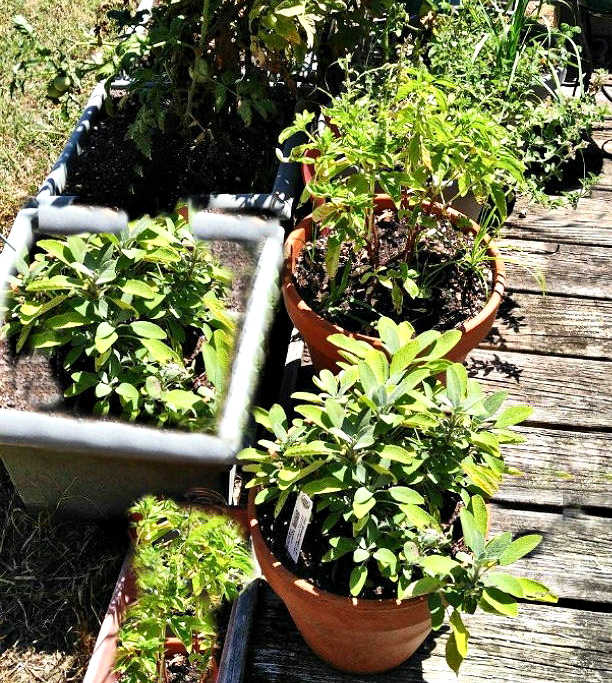
It’s not just vegetables that thrive on a patio vegetable garden – herbs, fruits, and flowers can too. Many attract pollinators, helping your vegetables to set fruit. Herbs grow especially well in containers because of their compact size.
The best herb deck garden plants include:
- Chives
- Thyme
- Oregano
- Rosemary
- Basil
- Parsley
- Tarragon
- Sage
- Strawberries
- Dill

Many herbs also serve as companion plants, repelling aphids and other common garden pests while supporting your vegetables’ health.
Containers, soil, and setting up a vegetable garden on your deck
In the ground, vegetables have plenty of room to spread out, and their roots gather nutrients from nearby soil. The roots of vegetables grown in pots are contained.
For this reason, you’ll need to make some adjustments. Choosing the right-sized pot and the correct soil for a deck garden is critical.

Choosing the right deck garden planters
Pick pots that match the size of the plants you want to grow:
- Small (1-2 gallons / 6-8 inches deep): Leafy greens, herbs, radishes, and spinach.
- Medium (3-5 gallons / 10-12 inches deep): Peppers, carrots, beets, bush beans, and onions.
- Large (4-10+ gallons / 12-18 inches deep): Tomatoes, cucumbers, potatoesGrowing Potatoes in a Trash Bag, okra, and eggplant.
Tip: The right-sized pot means your plants need less water and will produce a bigger harvest.
Other pot considerations
- Drainage: Pots must have drainage holes to prevent root rot.
- Depth: Deep pots (12+ inches) for root vegetables like carrots and beets.
- Material: Plastic or ceramic work; grow bags work for large root crops.
- Stability: Heavy pots keep tall plants like tomatoes from tipping over.
- Durability: Terra cotta lasts long; plastic may become brittle in UV light.
- Color: Lighter-colored pots reduce heat stress and watering needs.
Choosing the best soil for container vegetables
- Do not use garden soil: Container plants can’t draw nutrients from the surrounding soil like in-ground plants can.
- Use a container mix: Soil made for pots drains well and feeds your plants.
- Add organic matter: A scoop of compost at planting enriches the soil and reduces the need for frequent fertilizing.

Preparing your workspace and tools for deck vegetable gardening
Before you start planting, take a little time to set up a simple work area and gather the right tools. This will make your deck garden easier to manage and much more enjoyable.
Setting up a workstation
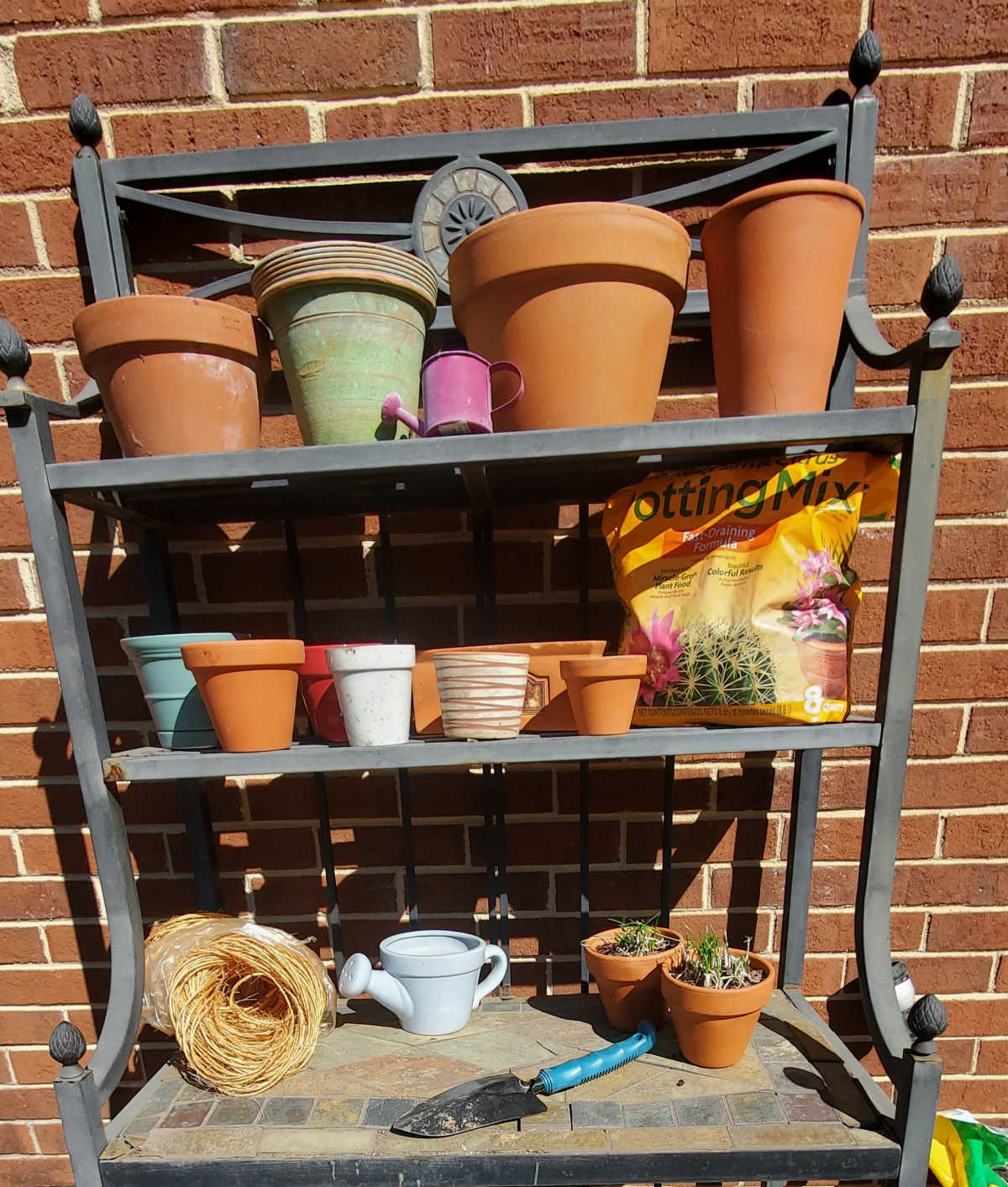
- I use a large tiered garden stand to keep small supplies and pots organized and within easy reach.
- It doubles as a potting stand, and the shelves provide space for cuttings of vegetables to propagate.
Make sure there is room to work
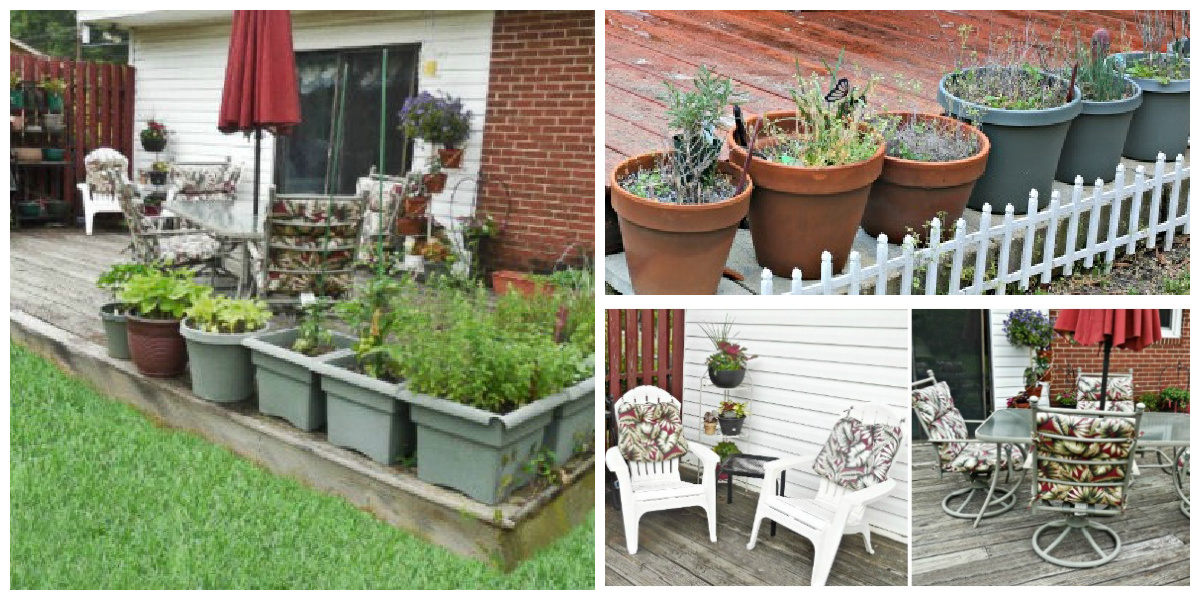
My deck is 14 x 25 feet. This gives me room for seating, dining, a BBQ area, plus my vegetable garden and flower planters.
- Arrange your patio furniture so there’s room to inspect, water, and tend to the plants easily.
- Place pots just outside the edge of the deck to create a second row of vegetables. (This is where I keep my herbs.)
- Tiered flower stands are ideal for plants that will attract pollinators.

Tools to keep close
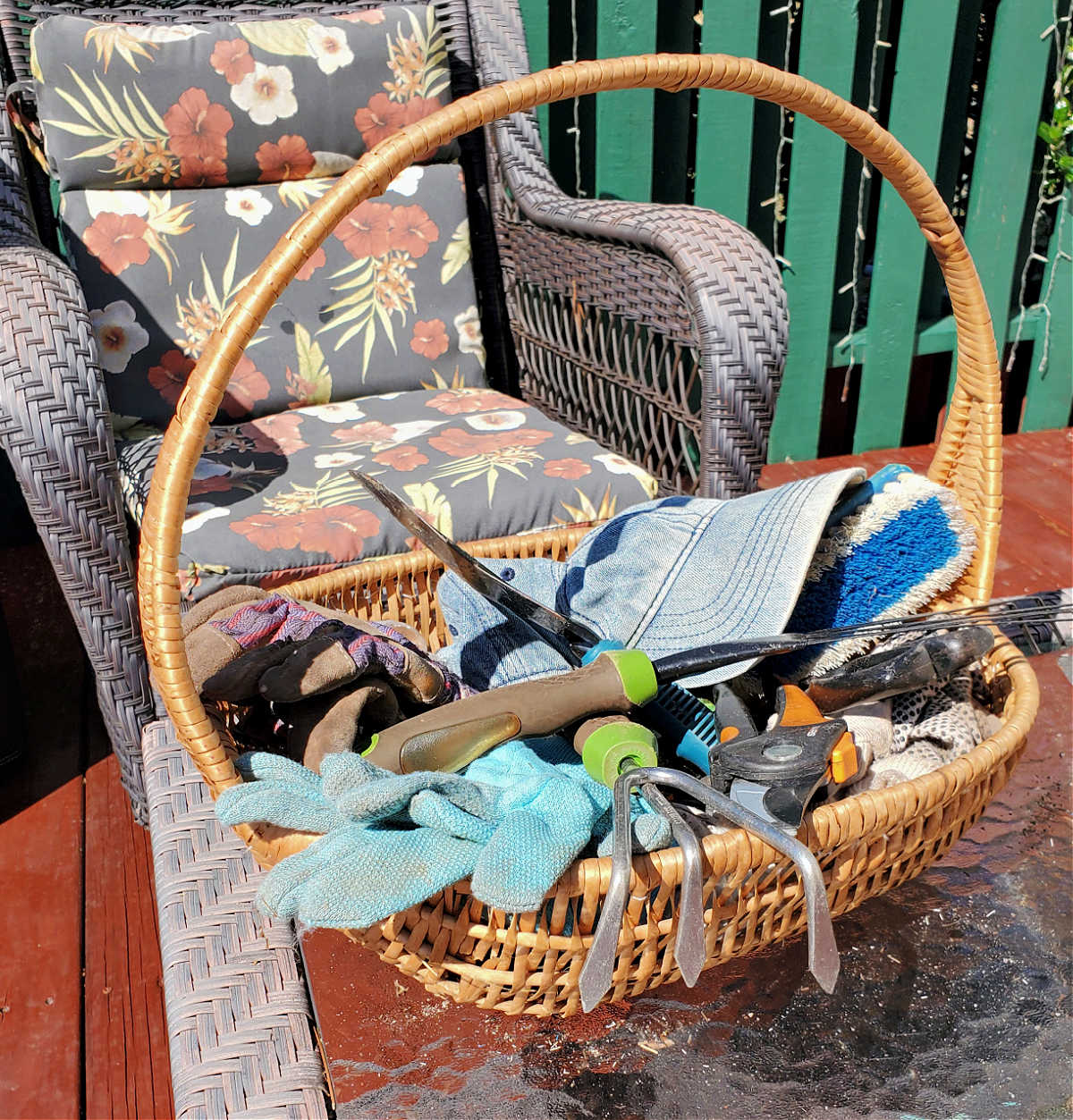
- Garden wand (useful for watering plants and strawberries in hanging baskets).
- Garden trays for starting seeds.
- Small pots to transplant seedlings.
- All-purpose vegetable fertilizer and a bucket of compost.
- Keeping a set of small garden tools nearby saves trips to the garden shed.
Care and maintenance of a patio vegetable garden
Once your planters have been chosen and you know what to grow, it’s time to plant, water, and enjoy the fruits of your labor. The following section covers basic maintenance for your deck garden.
Starting your plants: seeds vs seedlings
You can start your deck garden with seeds or use store-bought seedlings.

- Seeds are cheaper but need to be started earlier, so that they will be ready when spring arrives.
- Store-bought seedlings are more expensive but will start growing right away.
Sunlight for a deck garden

All vegetables need sunlight to grow and produce well. The good news is that, unless your deck faces due north, you can likely grow vegetables successfully.
- Best (full sun): 6-8 hours (tomatoes, peppers, cucumbers, beans, squash, strawberries, and many herbs).
- Good (moderate sun): 5-6 hours (beets, carrots, potatoes, broccoli, turnips).
- Minimum (part shade): 3-4 hours (Swiss chard, lettuce, parsley, arugula, and leafy greens).
- South or west-facing decks receive the best light for vegetables.
- If sunlight is limited, use planters on wheels so that they can follow the sun
Watering vegetables in containers like a pro
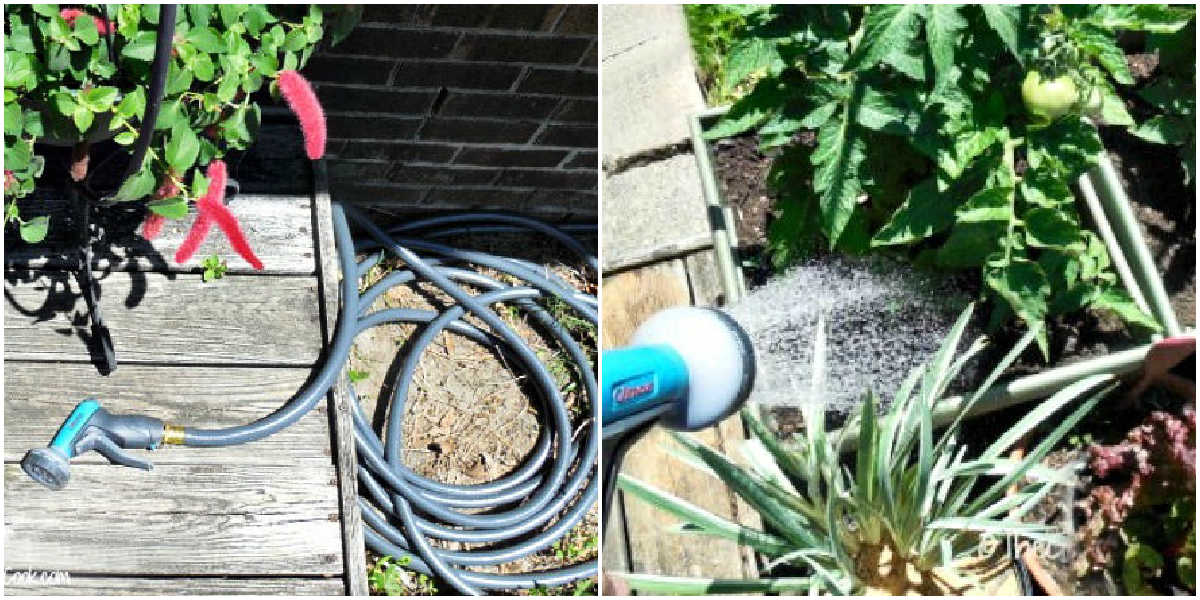
Container vegetables dry out quickly and need consistent watering to produce well. Here are some ways to ensure that your patio garden plants get the water they need.
- Location: Be sure the pots are within easy reach of your hose. My hose is located just 5 feet from my first row of plants!
- Ease of watering: There is no need for drip irrigation when you can easily walk around with your hose.
- When to water: I water my plants thoroughly once a day in the evening, after it has cooled down. (Morning and evening during very hot weather).
- How to water: Water thoroughly from the roots rather than on the foliage to prevent disease.
Plant supports, stakes, and trellises for tall container vegetables
Once your deck garden is set up, the next step is to make sure your plants have the support they need to grow strong and healthy.
Some plants, such as tomatoes, beans, and cucumbers, can get top-heavy quickly.

- When to stake: Add supports at planting time, so you won’t disturb roots later.
- What to use: Long stakes, pushed to the bottom of the pot, support tall plants.
- How to tie: Nylon stockings, tied to the stakes, hold plants and stretch as stems thicken.
- Other supports: Small cages and trellises work well for cucumbers, beans, and other sprawling vegetables.
Protecting your deck when growing vegetable plants in containers
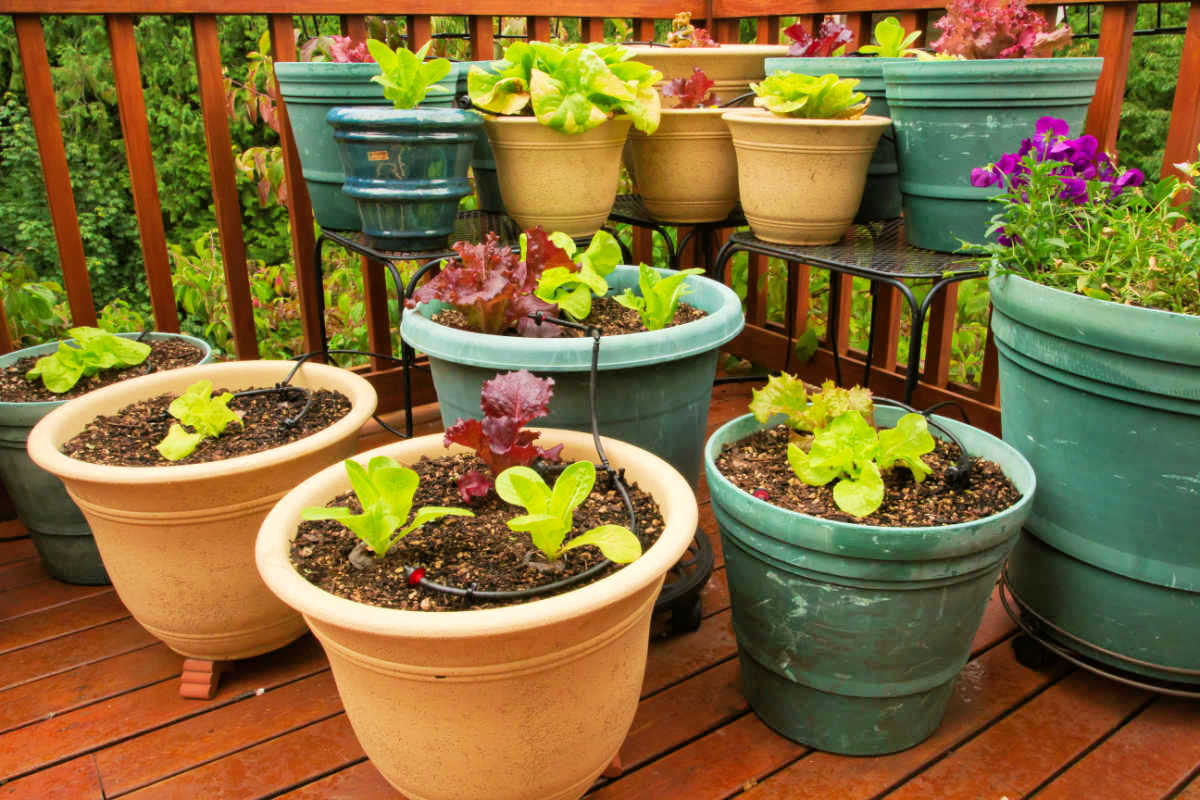
If you’re growing vegetables in containers on your deck, protecting the wood is key. These simple tips help you prevent water damage and keep your deck safe.
- Seal the deck: Use a protective sealant on your deck boards.
- Weight matters: Plastic pots and a light-weight soil put less stress on the deck.
- Elevate the pots: Pot risers raise the containers.
- Saucers: Catch soil run off and prevent stains
- Shifting the pots: Stops mold from forming underneath them.
- Hanging planters: Keep the pots off the deck.
Adding flowers for color and pollinators
Flowering plants soften the look of a deck vegetable garden and also attract beneficial pollinators. These are good choices to include along with your vegetables.
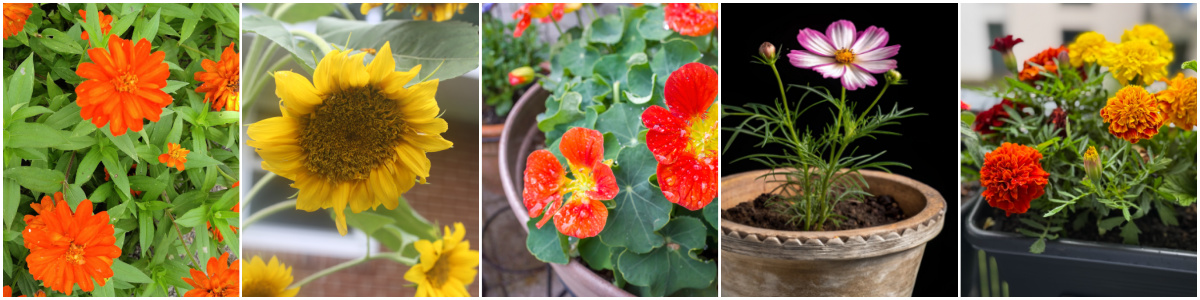
- Zinnias: Very useful for attracting butterflies.
- Sunflowers: Provide lots of pollen and nectar, and can be used as stakes for shorter top-heavy plants.
- Nasturtiums: Attract pollinators and trap pests, keeping them away from the vegetables.
- Cosmos: Excellent for attracting bees.
- Marigolds: Repel pests and attract beneficial insects.
Deck garden for beginners: Simple steps for success
You don’t have to be an experienced gardener to grow vegetables on your deck. If you are just starting out, these tips will make it easy.
- Start with fast-growing crops like lettuce, radishes, or green beans.
- Grow easy herbs in pots, like chives and parsley.
- Use soil especially made for containers – avoid garden soil
- Add a scoop of compost to every pot for extra nutrients.
- Plant seedlings instead of starting seeds for quicker results.
- Keep a hose or watering system nearby for consistent moisture.
- Make sure your deck gets plenty of daily sunlight.
- Choose lightweight pots and elevate them to protect your deck and improve drainage.
Who says you need a large yard for a big flower and vegetable garden? My deck garden proves you don’t – and shows that even beginners can enjoy a successful harvest.
Keeping your container vegetables thriving
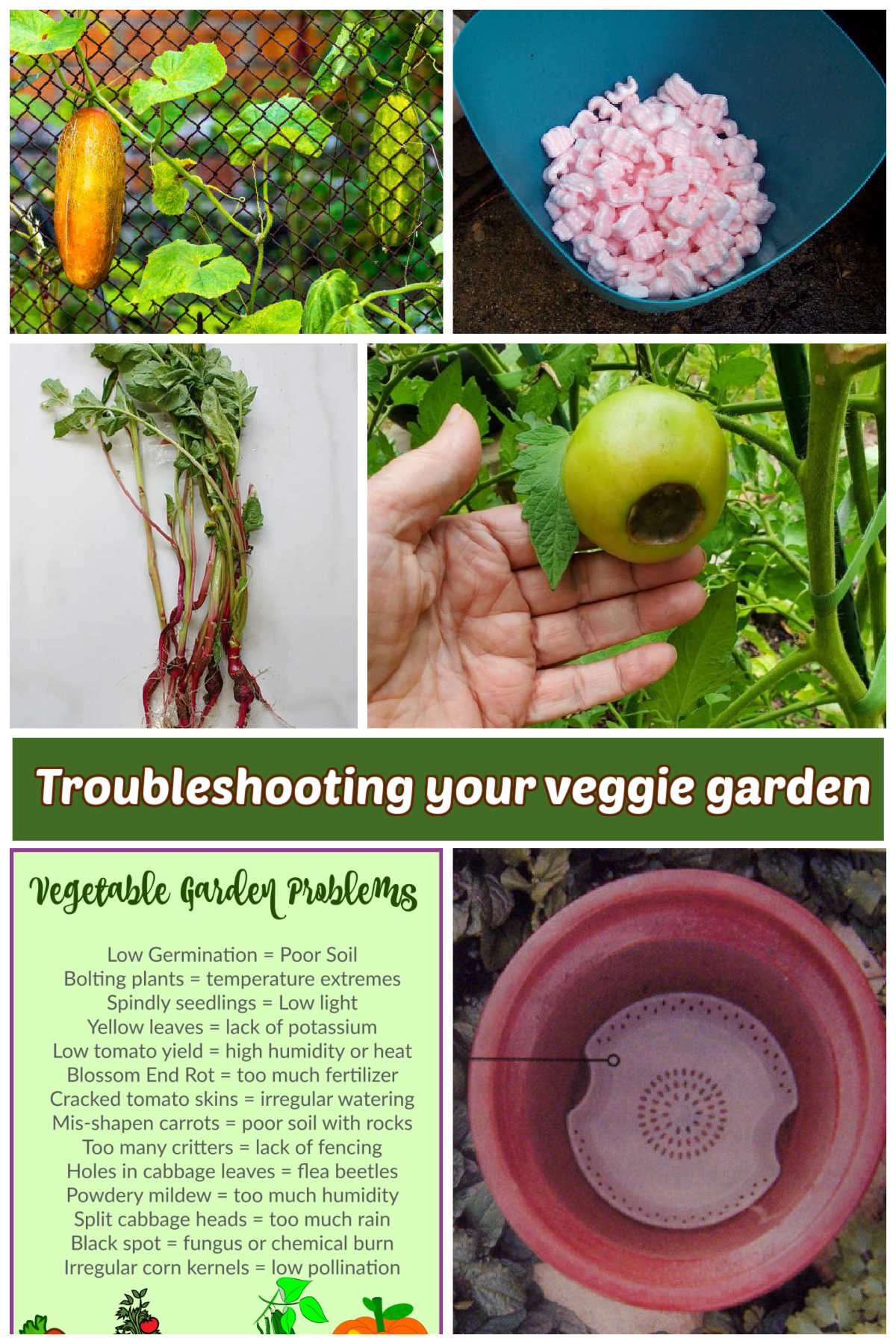
Even a thriving deck garden can run into occasional problems. If you notice yellow cucumbers, skinny radishes, blossom end rot, or soil draining out of your pots, these guides will help you quickly get things back on track.
- Covering drainage holes in pots – How to keep container soil from staining your deck.
- Why Cucumbers Turn Yellow – Learn how to prevent this common problem.
- How to Prevent Tomato Blossom End Rot – The best way to prevent this is to water deeply and consistently.
- Why Radishes Don’t Form Bulbs – The solution is easy – don’t crowd them!
- Planting Tip for Big Pots – A secret way to make your large containers lighter.
- Vegetable Garden Problems and Solutions – The ultimate guide to troubleshooting your garden.

Share this guide to patio vegetable gardens on X
If you enjoyed learning how to grow vegetables on a deck, why not share this guide with a friend?
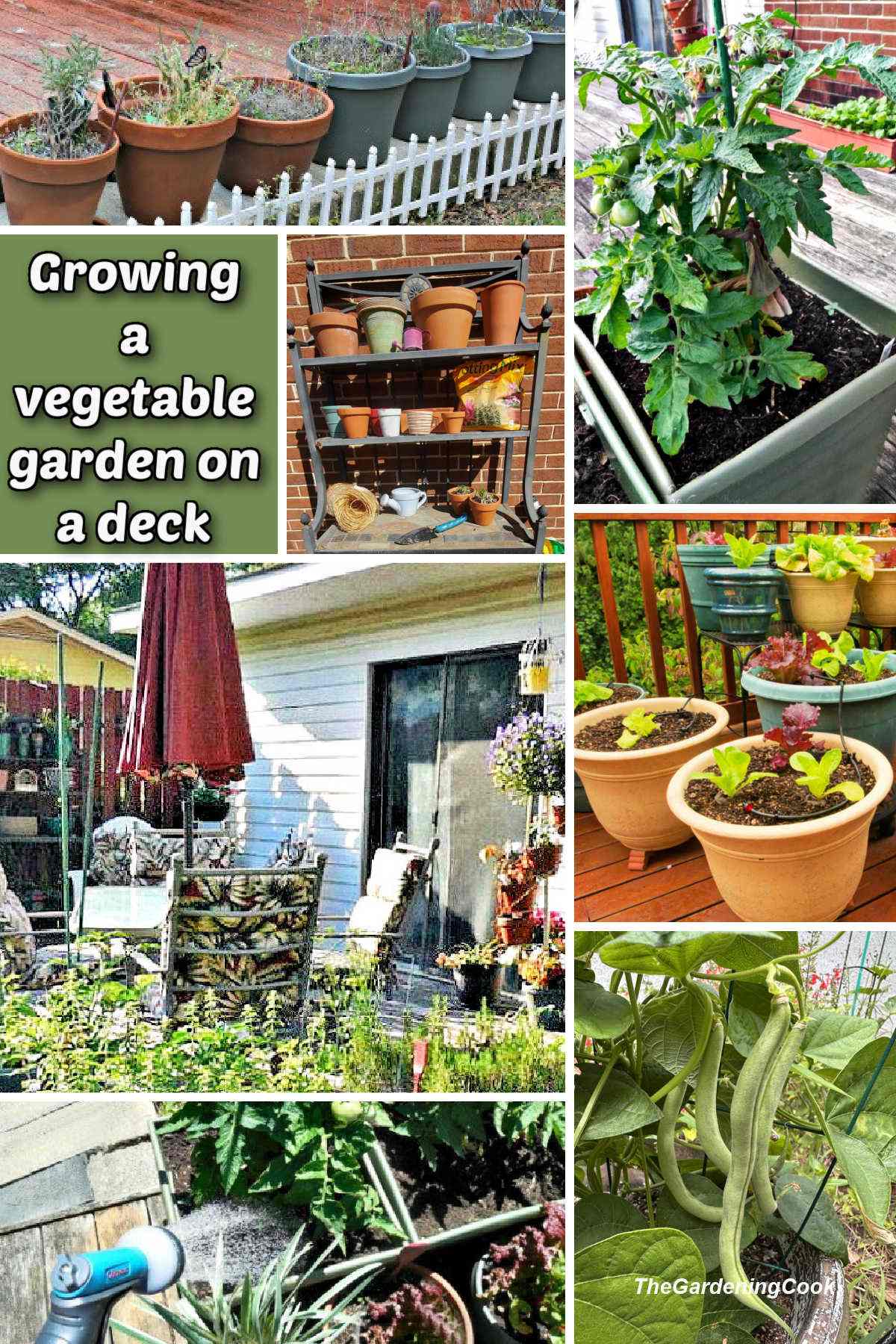
Grow a thriving vegetable garden on your deck .🌿🥕 No big yard needed! These 14 practical tips cover containers, soil, plant supports, and beginner-friendly advice to help you harvest fresh veggies right outside your back door.… Share on XPin this post for growing a vegetable garden on your deck
Would you like a reminder of these deck gardening ideas? Pin this image to one of your gardening boards on Pinterest so that you can easily find it later.
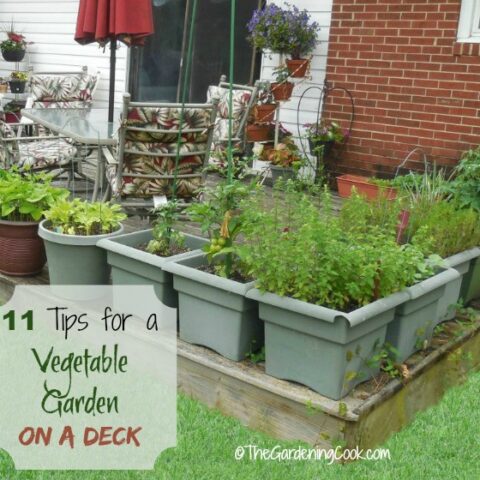
Admin note: This article for vegetable gardening on your deck first appeared on the blog in May 2015. This post has been updated with more tips, a step-by-step guide for growing vegetables in containers, new photos, and a slideshow video about deck vegetable gardens!
Deck Gardening Made Easy: Grow Vegetables & Herbs in Containers
Learn how to grow a vegetable garden on your deck. From selecting containers and soil to choosing the best veggies and herbs, these tips make gardening simple - even for beginners!
Materials
- Large patio or deck
- 12- 24" pots to hold plants
- Vegetable plants
- Good quality garden soil made for pots
- Organic material or compost
- Herb plants
- Flowering plants
Tools
- Garden hose with a watering nozzle
Instructions
- Be sure your deck is situated in a location that gets 6-8 hours of sunlight a day.
- Measure the outside corner edge of your patio to see how many pots it will hold. I have a 14x25-foot deck, and it holds about 16 planters of various sizes.
- Once you know how much room you have, you can decide what to grow based on the size of the pots.
- Place the largest pots on the inside and another row of smaller pots touching them along the outside. This gave me two areas to harvest, inside the deck and outside the deck.
- Herbs, radishes, Swiss chard, and other greens will grow in fairly small pots.
- Large plants such as bush beans, tomatoes, and peppers will need larger pots.
- Plant herbs and flowering plants in addition to vegetables. Both repel pests and attract pollinators.
- Add good-quality soil, suited to containers, to your pots.
- Add some organic matter to the soil. Mix it, and water well.
- Add stakes to support tall plants at planting time so you won't disturb the roots later.
- Water well. Plants in pots need more water than those grown in the ground. I often water my plants twice a day on the hottest days.
- Protect your deck with a sealant and use risers and saucers to aid with drainage.
- Set up a workstation nearby so that you have supplies handy to tend to your vegetables.
- Be sure your hose or watering system is handy so that watering is easy.
Notes
The cost of the vegetable garden will depend on the type of pots that you purchase. Self-watering planters or ceramic pots would make it much more expensive. However, pots last for several years, so the yearly cost is lower than the initial cost.
My estimated cost doesn't include planters.
Recommended Products
As an Amazon Associate and member of other affiliate programs, I earn from qualifying purchases.
-
 GROWNEER 6 Packs 39 Inches Square Folding Tomato Cages Plant Support Stake Tower with 328 Feet Twist Ties, for Tomato Plants, Eggplants, Cucumber, Climbing Plants and More
 -
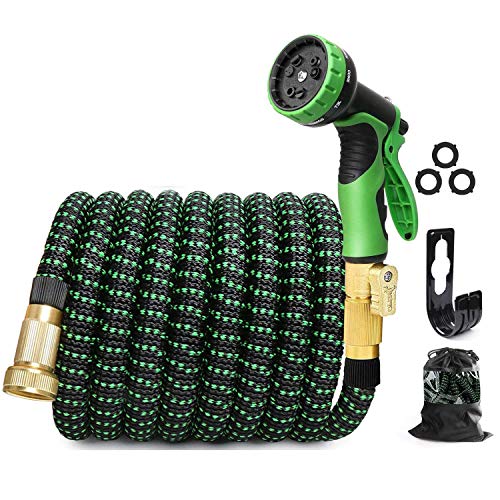 EASYHOSE 50ft Expandable Water Garden Hose,Expanding Flexible Hose with Strength Stretch Fabric with Brass Connectors - 9 Way Spray Nozzle +12 Months Warranty
 -
 Espoma Company (VFGS1) Organic Vegetable and Flower Soil
Laura
Saturday 11th of June 2022
Hi, I have 14” pots and started With seeds. I have thinned to 2 cucumber, 2 zucchini, and 2 green beans each pot. They’re beside my porch railing so the climbers can climb and spread. Do I need to thin again to 1 of each 3 per pot though? They have been drying out fairly quickly, and while beans add nutrients, I don’t want them to overcrowd each other and not produce fruits.
Also I have 10” pots with 2-3 bell peppers each. They’re growing much slower, but not sure if they’ll overcrowd eventually.
Any recommendations for feeding/compost with container gardens?
Carol Speake
Saturday 11th of June 2022
You can usually grow more than the package says in pots, but bear in mind that pots dry out quickly compared to plants in the ground so this is more likely the problem than over crowding.
Donna
Sunday 17th of January 2021
I have grown herbs and cherry tomatoes on my upper level wood deck for about 10 yrs using saucers under each. My treated and sealed deck starting rotting about 3 yrs ago and now needs replacement. How can I keep the water from rotting the boards?
Carol Speake
Thursday 21st of January 2021
The only way to do this is to use large saucers. Last year, I had my husband make a long shelf unit that sits beside the perimeter of the deck, so my plants are still handy but not sitting on the deck, since we just replaced the boards and stained it.
Jay
Friday 8th of May 2020
wow, this is so useful! I saved this to my favorites so I can keep going back to it to improve my home!l
Carol Speake
Friday 8th of May 2020
Glad you enjoyed the post Jay.
Jen
Monday 4th of May 2020
I have an apt underneath me which is a concern when watering. Dont want to, but I should probably get saucers for all containers heh so no water drains down to the balcony below me?
Joan C James
Wednesday 22nd of April 2020
What can you grow, and how, on a condo deck that is high up (2nd level) in the building and faces dense woods so little sunlight comes through? We would love to grow a few veggies and some herbs but have no idea where to start.
Carol Speake
Wednesday 22nd of April 2020
Most vegetables need some sunlight, but there are a few that can grow with less. I have written a post that talks about both types and how much light they need. You can read it here.