
If you grow squash or other cucurbit plants in your vegetable garden, it’s important to understand how to prevent squash bugs from becoming a recurring problem.
Because adult squash bugs can overwinter in garden soil and plant debris, they are notoriously difficult to manage once established. The key to a healthy squash crop is proactive prevention rather than reacting by using harsh chemical sprays. By understanding their life cycle and using a few simple garden practices early in the season, you can reduce the likelihood of serious infestations.
Below are the most effective strategies gardeners use to help keep squash bug problems under control throughout the growing season.
Some of the links below are affiliate links. I earn a small commission, at no additional cost to you, if you purchase through an affiliate link.
Why squash bug prevention matters
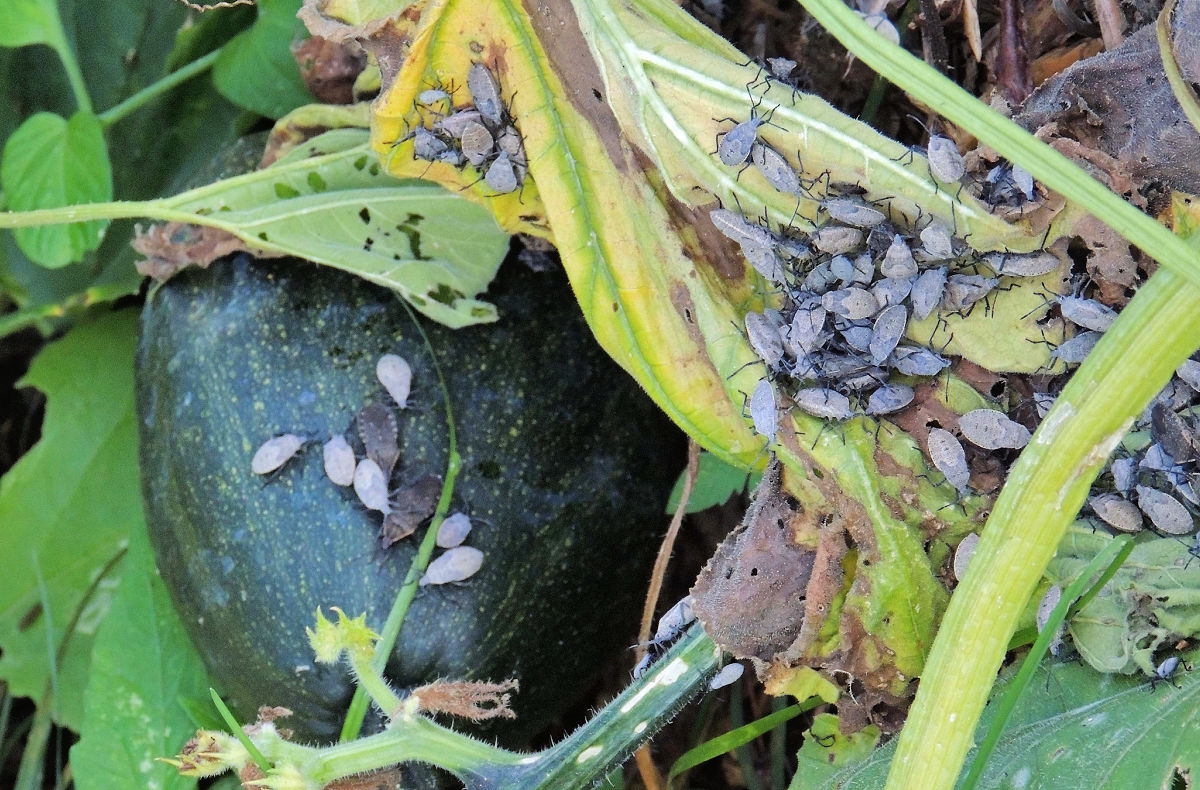
Preventing squash bugs is generally easier than trying to manage them once they become established in the garden. Once populations build up, squash bugs can be difficult to reduce for several reasons:
- Adult squash bugs have tough exoskeletons that make them more difficult to control with common treatments.
- They are highly mobile and often hide under dense, spreading squash vines.
- They can quickly reproduce, allowing populations to increase rapidly during the growing season.
Because of these factors, squash bug populations are often easier to manage early in the season than later, when you have started seeing squash bug damage. Prevention focuses on reducing opportunities for squash bug eggs to be laid and limiting conditions that allow populations to build unchecked.
Understanding the squash bug life cycle
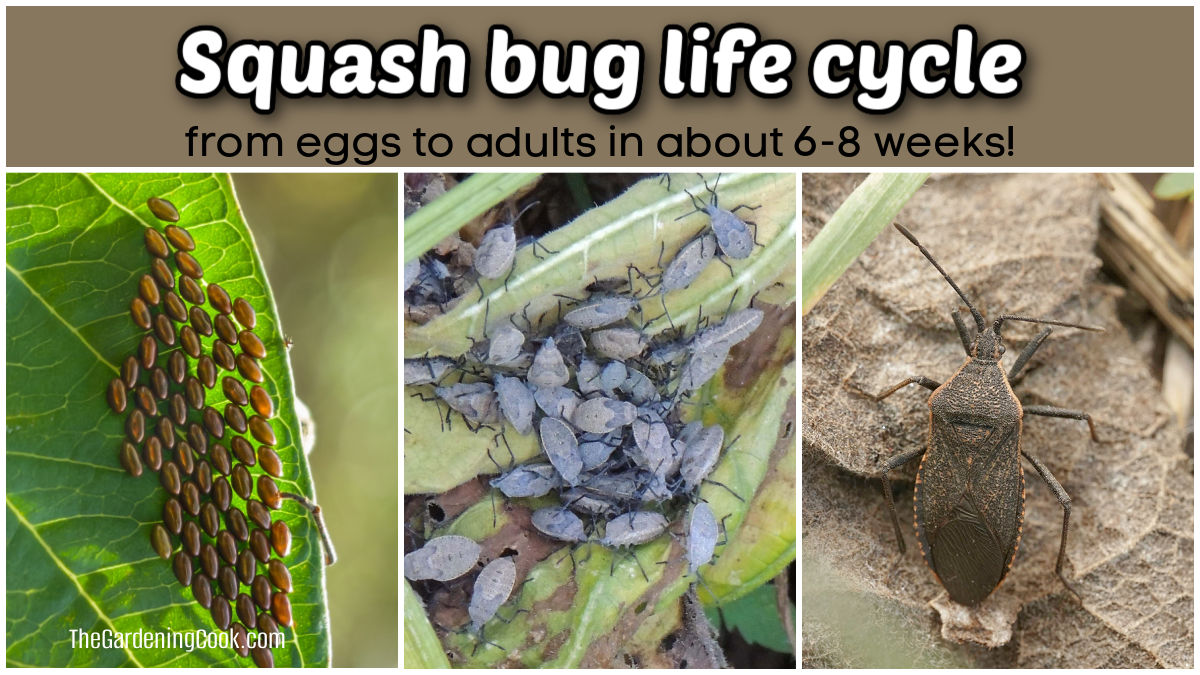
Squash bugs overwinter in protected areas such as garden debris and nearby plant material, then emerge in spring to begin feeding and laying eggs on squash plants.
Understanding this timing is important for prevention because many effective strategies work by disrupting early stages of the life cycle before populations have a chance to build.
By focusing on the periods when squash bugs are overwintering, emerging, and laying eggs, gardeners can reduce the likelihood of large infestations developing later in the season.
How to prevent squash bug infestations
The following simple, consistent practices can help reduce the likelihood of squash bug problems developing in your garden.
Remove overwintering habitats
Squash bugs often survive the winter in garden debris and nearby sheltered areas, then emerge in spring to begin feeding and laying eggs. General garden sanitation can be a big help in keeping them away.
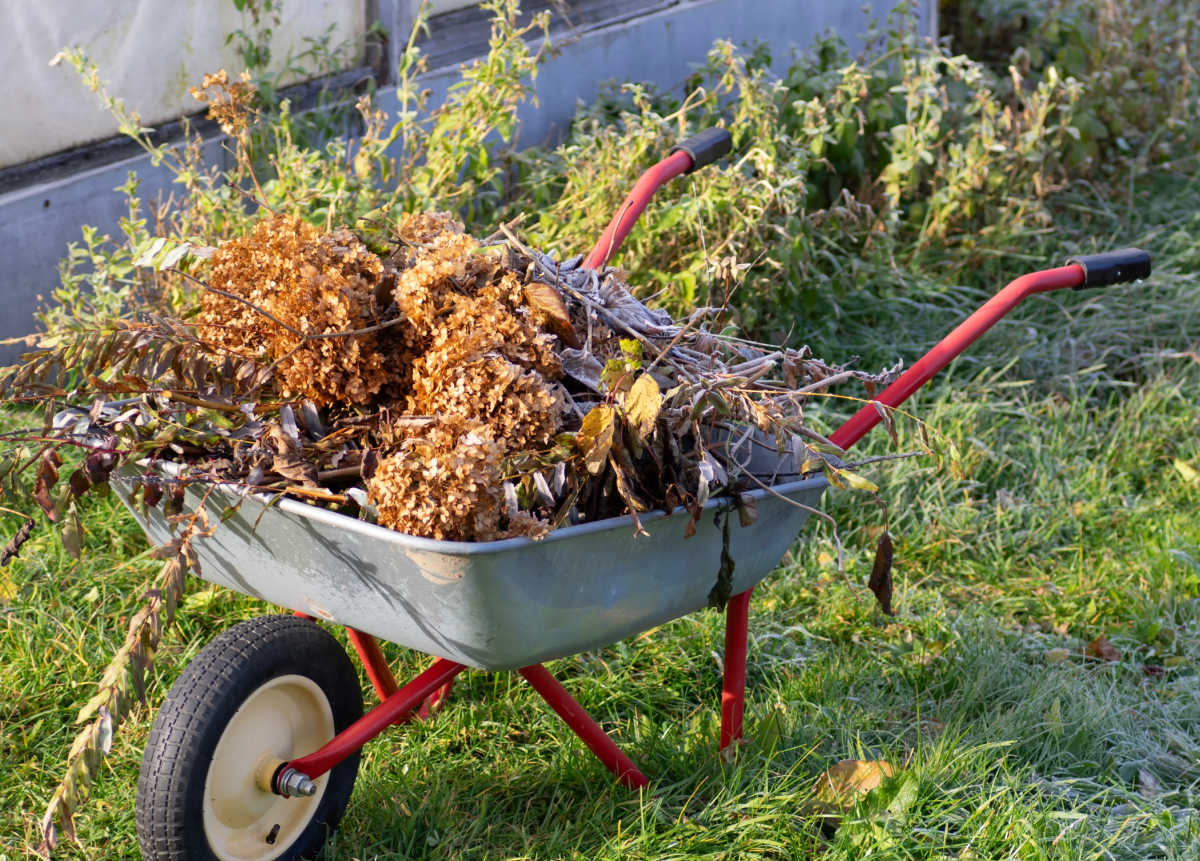
To reduce overwintering sites:
- Clear out old plant debris and vines
- Remove unused mulch, straw, or fabric from beds
- Store garden materials like wood, pots, and stones away from growing areas
- Control weeds and tall grasses around garden edges
- Avoid composting heavily infested squash material
Rotate crops to reduce recurring infestations

Crop rotation helps disrupt squash bug cycles by moving host plants away from areas where bugs overwinter.
- Plant squash in a different location each season
- Avoid planting cucurbits in the same bed year after year
Crop rotation alone won’t eliminate squash bugs, but it can help reduce recurring infestations over time.
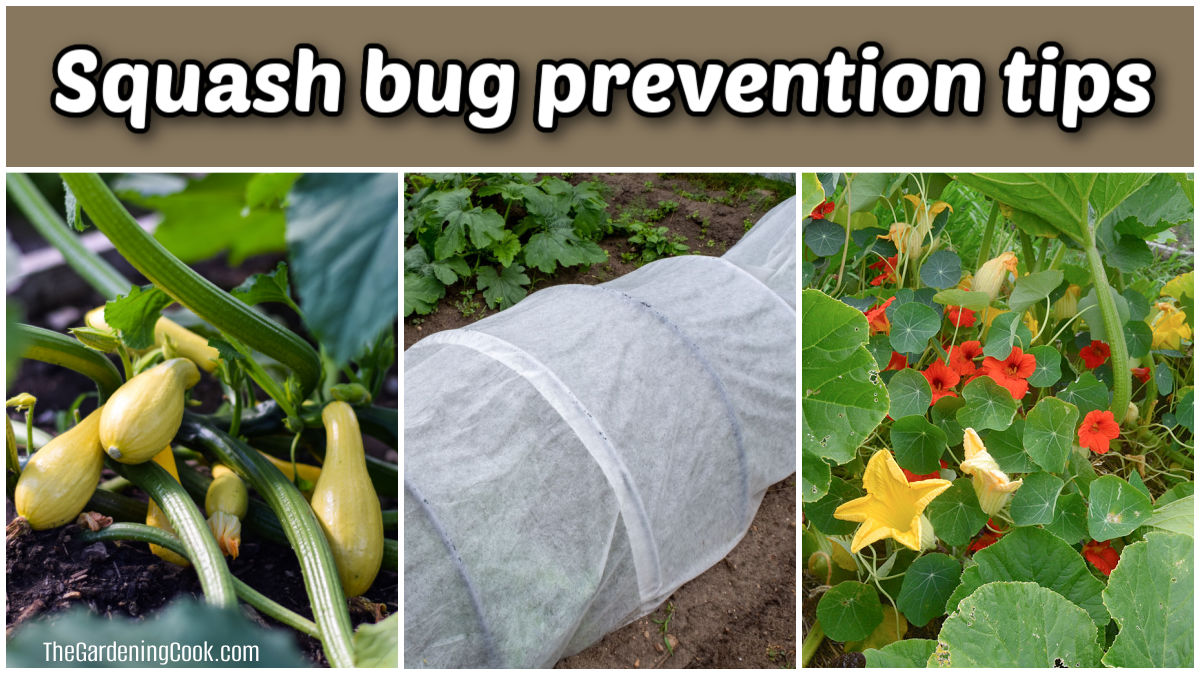
Use row covers for squash early in the season to prevent squash bugs
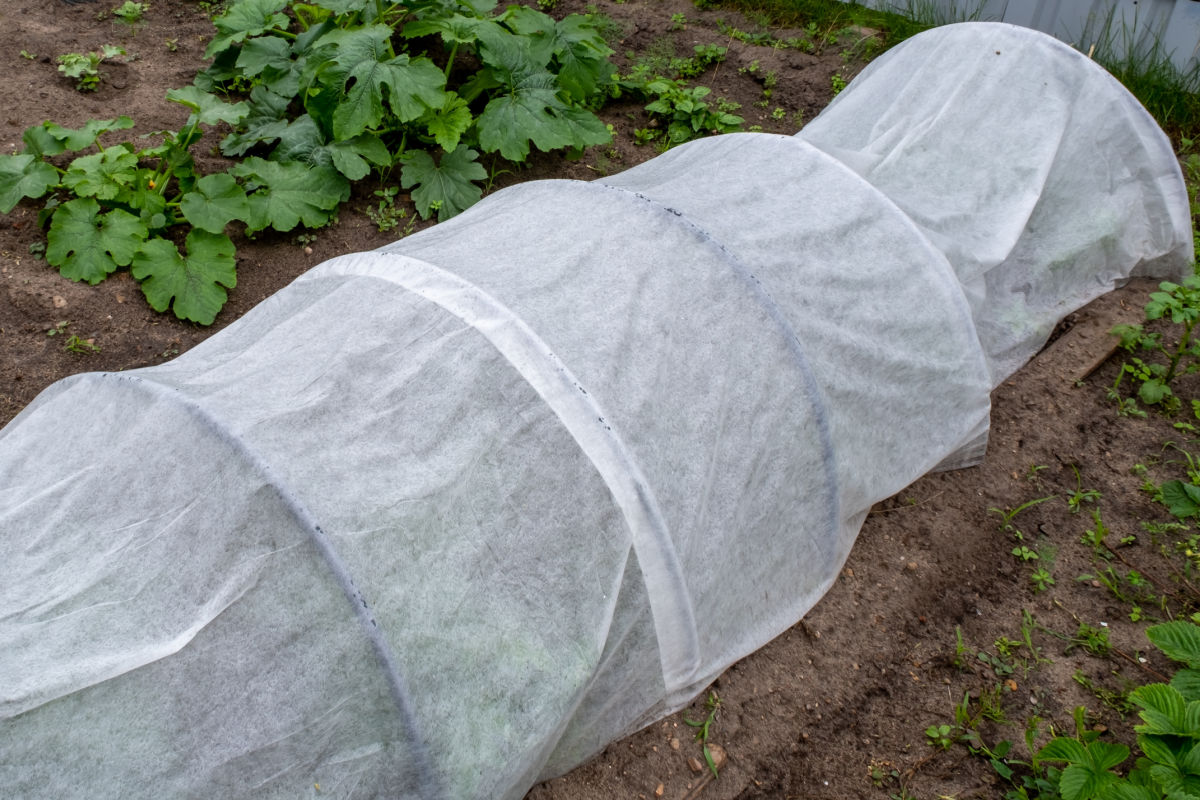
Floating row covers can help protect young squash plants from squash bugs during the early part of the growing season. They are one of the most effective prevention tools.
- Install them at planting time
- Secure edges tightly to prevent insect access
- Remove when plants begin flowering to allow bees and other insects to pollinate the plants
Be mindful of mulch use
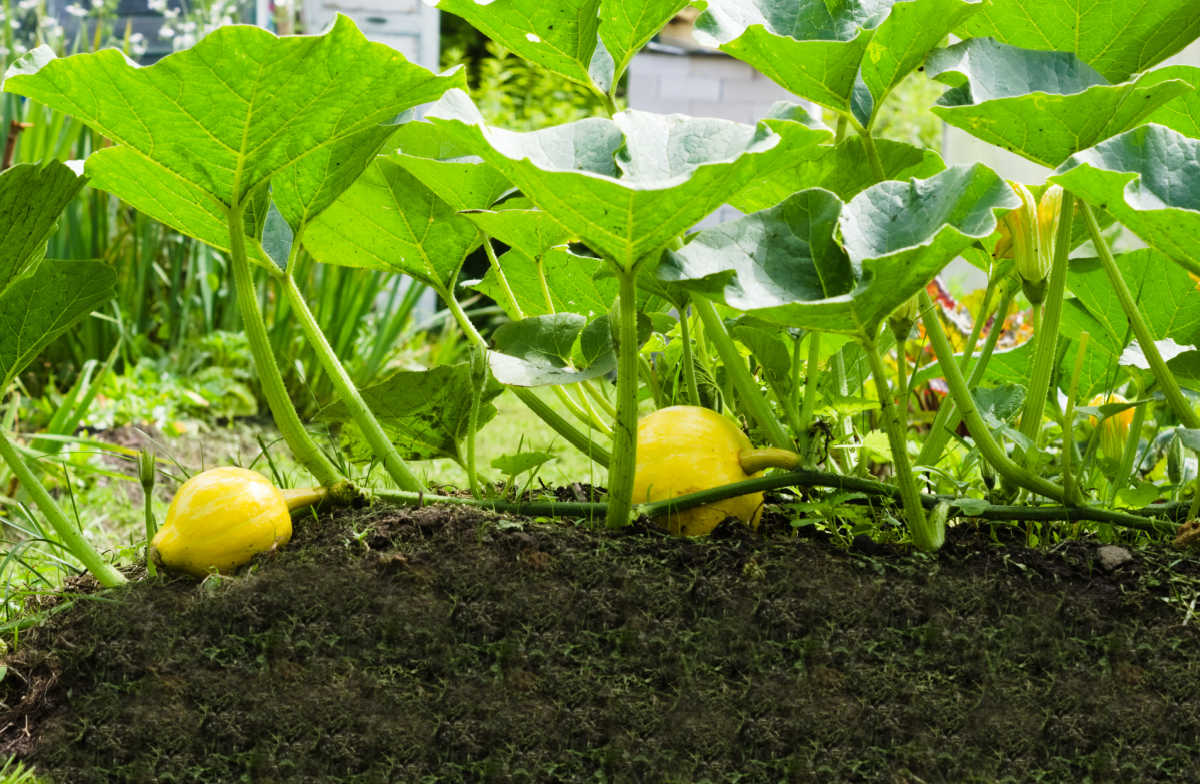
Mulch can help retain moisture and control weeds, but in some gardens, it may also provide shelter for squash bugs.
- Avoid heavy mulch directly around squash stems
- Keep the base of plants clear and well-ventilated
Monitor plants early in the season

Early monitoring helps you notice squash bug activity before populations become established.
- Check plants regularly during their early growth
- Look for signs of feeding damage or insect activity (pale, speckled areas on leaves are often the first sign)
Trellis squash plants when possible
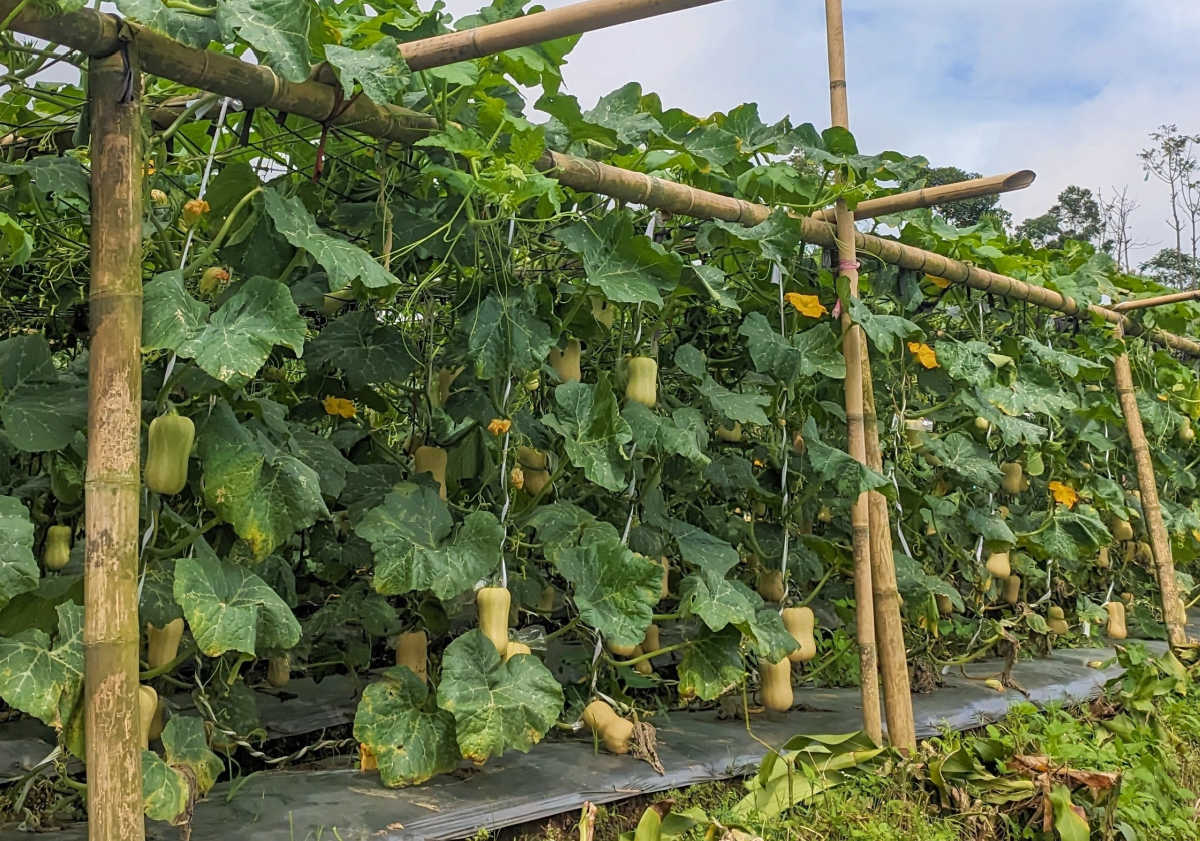
Growing squash and other cucurbits vertically can make it easier to spot squash bugs and their eggs early in the season. Raising leaves and fruit off the ground also reduces dense hiding areas beneath sprawling vines and improves airflow around plants.
- Trellis vining squash varieties when practical
- Inspect leaves regularly for squash bug eggs and feeding damage
- Avoid overcrowding plants beneath the trellis
Keep in mind that not all squash varieties are ideal for vertical growing, especially larger winter squash types.
Consider delaying planting in areas that have had squash bugs in the past

In areas where squash bugs are a recurring problem, some gardeners delay planting squash until early summer rather than planting immediately in spring. This may help young plants avoid periods of peak squash bug activity.
- Delay planting only if your growing season allows enough time for harvest
- Consider using this method alongside row covers for squash and crop rotation
- Keep in mind that local climate and squash variety affect timing
This strategy won’t eliminate squash bugs but may reduce early-season infestations in some gardens.
Choose squash bug-resistant varieties
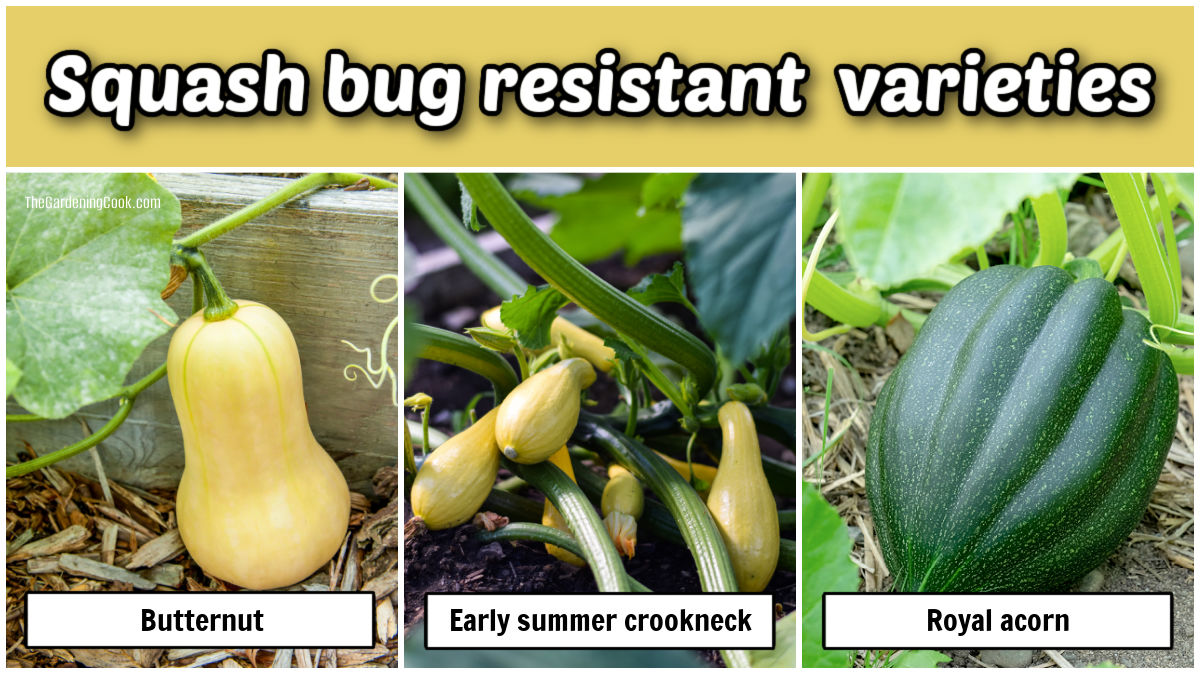
Some squash types tend to experience fewer squash bug problems than others, although none are immune, Varieties that experience fewer problems with squash bugs are these:
- Butternut squash
- Early Summer Crookneck
- Royal Acorn
Use plants as a supporting prevention tool

Plants can be used as part of a broader natural squash bugs prevention strategy, but they are most effective when combined with practices such as garden cleanup, crop rotation, and the use of row covers.
Rather than relying on individual plants, many gardeners incorporate aromatic herbs, flowering plants, and trap crops as one element of a larger approach to reducing squash bug problems.
Our guide to plants that repel squash bugs gives a detailed breakdown of recommended options.
Squash bug prevention checklist
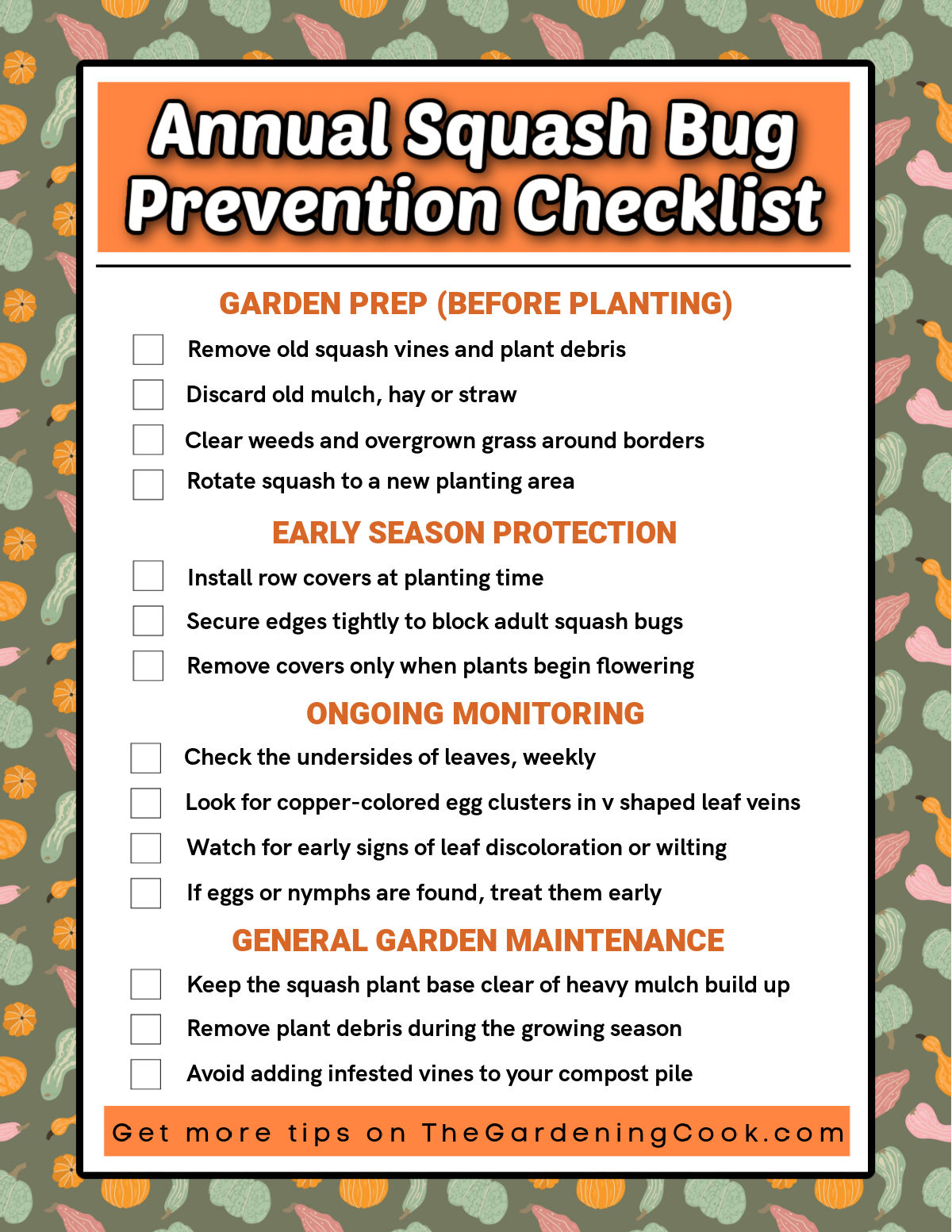
You can print the squash bug prevention tips checklist as high-resolution JPGs or PDFs by using the links below:
- Get the high-resolution squash bug prevention checklist (JPG)↗
- Get the PDF squash but prevention checklist (PDF)↗
Printing instructions:
Select portrait orientation and “fit to page” on your printer settings for a full-page printout.
You can also print out the checklist from the project card at the bottom of this page. Scroll down to the card and press “print”.
Share these squash bug prevention methods on X
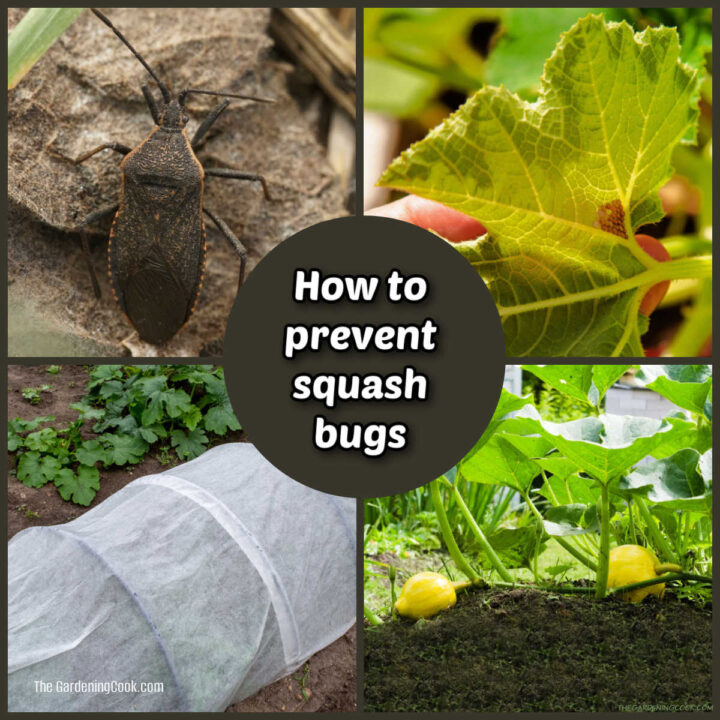
If you enjoyed learning how to prevent squash bugs from your garden, please share this guide with a gardening friend.
🪴 Squash bugs are much easier to prevent than manage once they settle into your garden. Learn simple prevention strategies like garden cleanup, crop rotation, row covers, early monitoring, and more to help protect your squash plants… Share on XMore guides to growing squash and squash bugs
If you have an ongoing problem with squash bugs, you may also find these squash guides useful.
- What are Squash Bugs? – Identification, eggs, damage, and lifecycle.
- Control Squash Bugs 12 ways – How to kill squash bugs in your garden.
- Plants that Repel Squash Bugs – How to use aromatic plants, those that attract beneficial insects, and trap crops.
- Growing Zucchini – How to grow summer squash and zucchini.
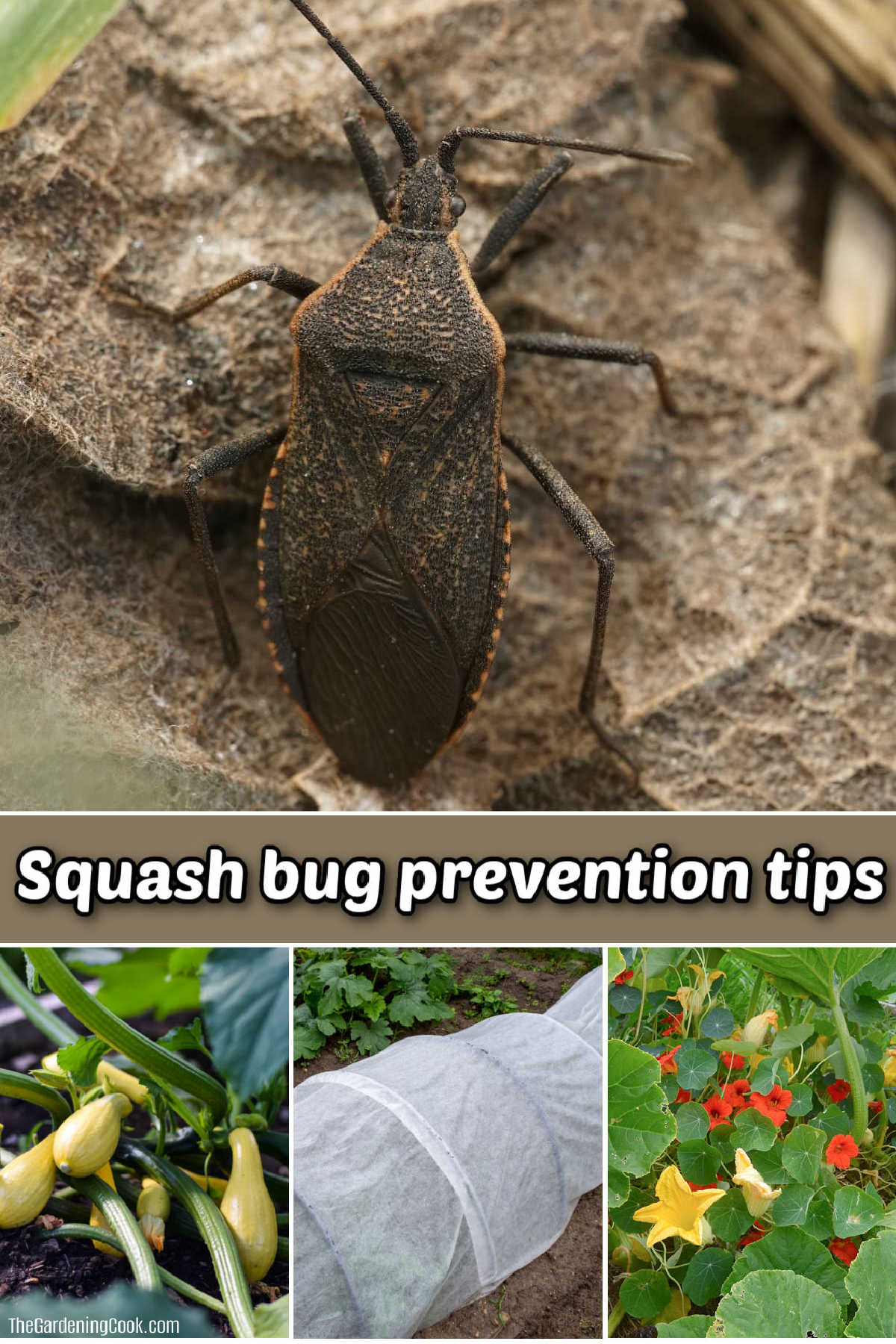
Pin this guide to preventing squash bugs
Would you like a reminder of these tips for natural squash bug prevention? Pin this image to one of your gardening boards on Pinterest so that you can easily find it later.
You can also watch this YouTube slideshow video about what keeps squash bugs away from your garden.
Squash Bug Prevention Checklist
Use this simple checklist to help prevent squash bugs before they become established. Follow these easy garden habits throughout the season to reduce the risk of infestations and keep squash plants healthier.
Materials
- Computer paper
Tools
- Computer
- Printer
Instructions
- Load your paper into your printer.
- Using the print function on this card will give you a squash bug prevention checklist that fills about ¾ of an 8.5 x 11-inch sheet of paper.
- Choose portrait layout and, if possible, "fit to page" (or 125%) in your settings.
- Prefer full-page printing? You can also print the guide as a high-resolution file using your browser’s print feature: (PDF) | (JPG).
- Please note that creating free printables takes a long time. This checklist is for personal use only. If you are sharing it (and thank you for that!), please link directly to this post, rather than to the actual image. We appreciate your help in supporting the site.
- This squash bug prevention checklist may not be used for any retail purpose or for mass distribution.
Notes
Recommended Products
As an Amazon Associate and member of other affiliate programs, I earn from qualifying purchases.
-
 Pest Control Log Book: Stay Organized on Squash Bugs with Detailed Tracking and Extermination Records
 -
 Magnifying Glass with Light, Handheld Large Magnifying Glass 18LED Cold and Warm Light, Illuminated Lighted Garden Magnifier
 -
 Garden Netting, Jevrench Durable Ultra Fine Garden Netting, Garden Plant Cover Row Cover, Keeps Squash bugs away from plants