
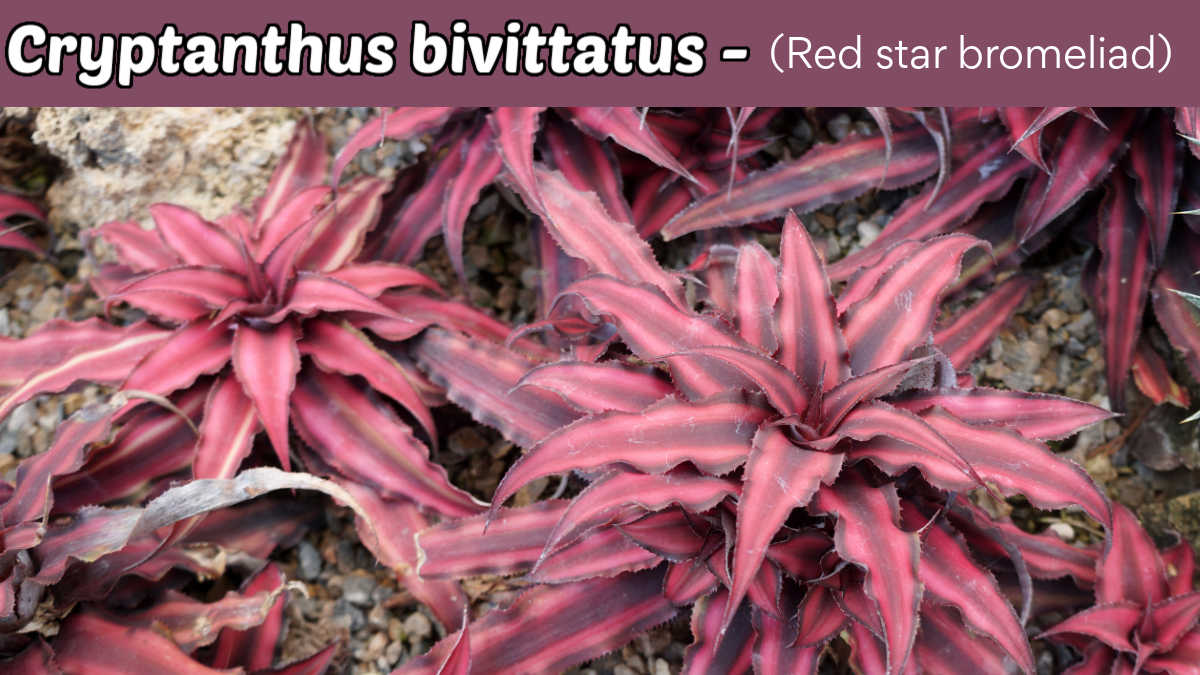
Cryptanthus bivittatus, also called Red Star Bromeliad or Earth Star Plant, features a striking star-shaped rosette with colorful leaves and small blooms.
This terrestrial bromeliad is native to Brazil, where it often grows as an epiphyte on host trees in tropical rainforests.
Easy to grow, the Earth Stars plant makes a beautiful indoor plant for tables, shelves, or terrariums.
Keep reading to discover how to grow and care for your Cryptanthus red star.
Some of the links below are affiliate links. I earn a small commission, at no additional cost to you, if you purchase through an affiliate link.
Quick Earth Star Plant care snapshot

Here is a quick guide to Cryptanthus care:
- Common names: Red Star Bromeliad, Earth Star, Starfish Plant, Pink Starlight
- Botanical name: Cryptanthus bivittatus
- Family: Bromeliaceae
- Plant type: Terrestrial bromeliad
- Sunlight needs: Bright, indirect light
- Soil pH: 4.0 to 6.0 (acidic)
- Soil requirements: Well-draining bromeliad soil
- Watering needs: Moist but not soggy
- Fertilizer: Monthly during the growing season
- Mature size: 4-6 inches tall (10-15 cm) with a 6-12 inch spread (15-30 cm)
- Bloom time: Blooms once, then produces pups before the parent plant dies
- Flower color: White or pink
- Temperature needs: 50-80°F (10-27°C)
- Humidity requirements: 60%+ is ideal
- Hardiness zones: USDA 10-11 (protect from frost)
- Propagation: From pups
Soil, water, and light requirements for Cryptanthus bivittatus
Growing an Earth Star bromeliad indoors brings the beauty of the tropical rainforest to your home. Fortunately, it’s easy to care for if you follow a few simple tips.
Sunlight needs
Place Red Star Bromeliad in a spot that gets bright indirect light.
- Too much sunlight and heat can cause the leaves wither and shrivel.
- Some morning and late-afternoon sun with protection from midday sun is ideal.
- A lack of sunlight causes the leaf color to fade.
Soil and potting mix
Place Cryptanthus bivittatus in a pot with well-draining soil.
- The best Cryptanthus soil is one designed for bromeliads.
- Bark and perlite will help to aerate the soil.
- Amend the soil with organic matter to ensure good drainage.
Watering requirements
Cryptanthus Bivittatus is quite drought-tolerant once it is established.
- Some bromeliads have a “cup” that holds water, but the Red Star Bromeliad does not. It must be watered from the root area.
- Water lightly when the top inch of the soil is dry to the touch. In very hot climates, the Earth Star will need more watering.
- The plant likes to be consistently moist but not soggy.
- Rainwater or distilled water is best since the plant is sensitive to chlorine.
Fertilizing Cryptanthus bivittatus
Earth Star Bromeliad requires light fertilization during the growing season (spring through summer)
- Use a balanced liquid fertilizer once a month.
- Dilute the fertilizer to ½ strength.
- Too much fertilizer can cause leaf burn and a stunted plant.
- Overfertilizing can also cause root burn.
- Excess nitrogen can cause foliage growth but few flowers.
Humidity needs
Earth Star Plants grow best in a humid environment.
- A humidity level of 60% plus is ideal.
- To raise humidity, place Earth Star on a tray of pebbles filled with water.
- Displaying the Earth Star bromeliad with other plants raises the humidity for them all.
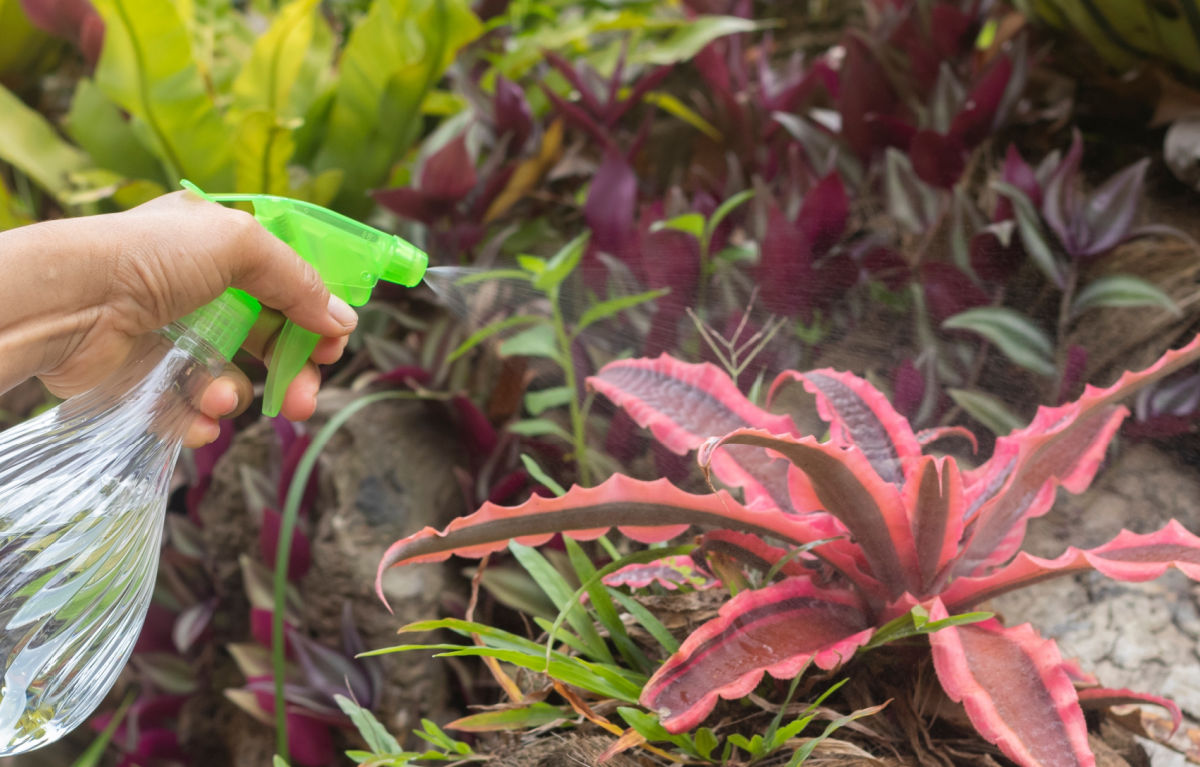
- Misting often also raises the humidity, as does using a humidifier.
Temperature and hardiness zones
Cryptanthus bivittatus is a tender perennial and grows best when your environment mimics its native habitat.
- Cryptanthus bivittatus likes a temperature of 50-80°F (10-27°C).
- Ensure that the temperature does not go below freezing.
- Take care to keep Red Star Bromeliad away from drafty windows or vents, which can cause a temperature drop.
- Red Star plant is only cold-hardy outdoors in USDA zones 10-11. In colder climates, grow it as an indoor plant.
How to propagate Cryptanthus
Cryptanthus bivittatus only blooms once and has white or pink flowers. However, before the plant dies, it will produce pups, also called offsets, that can be removed and potted up.
This is the main method of propagation of the Earth Star Plants.
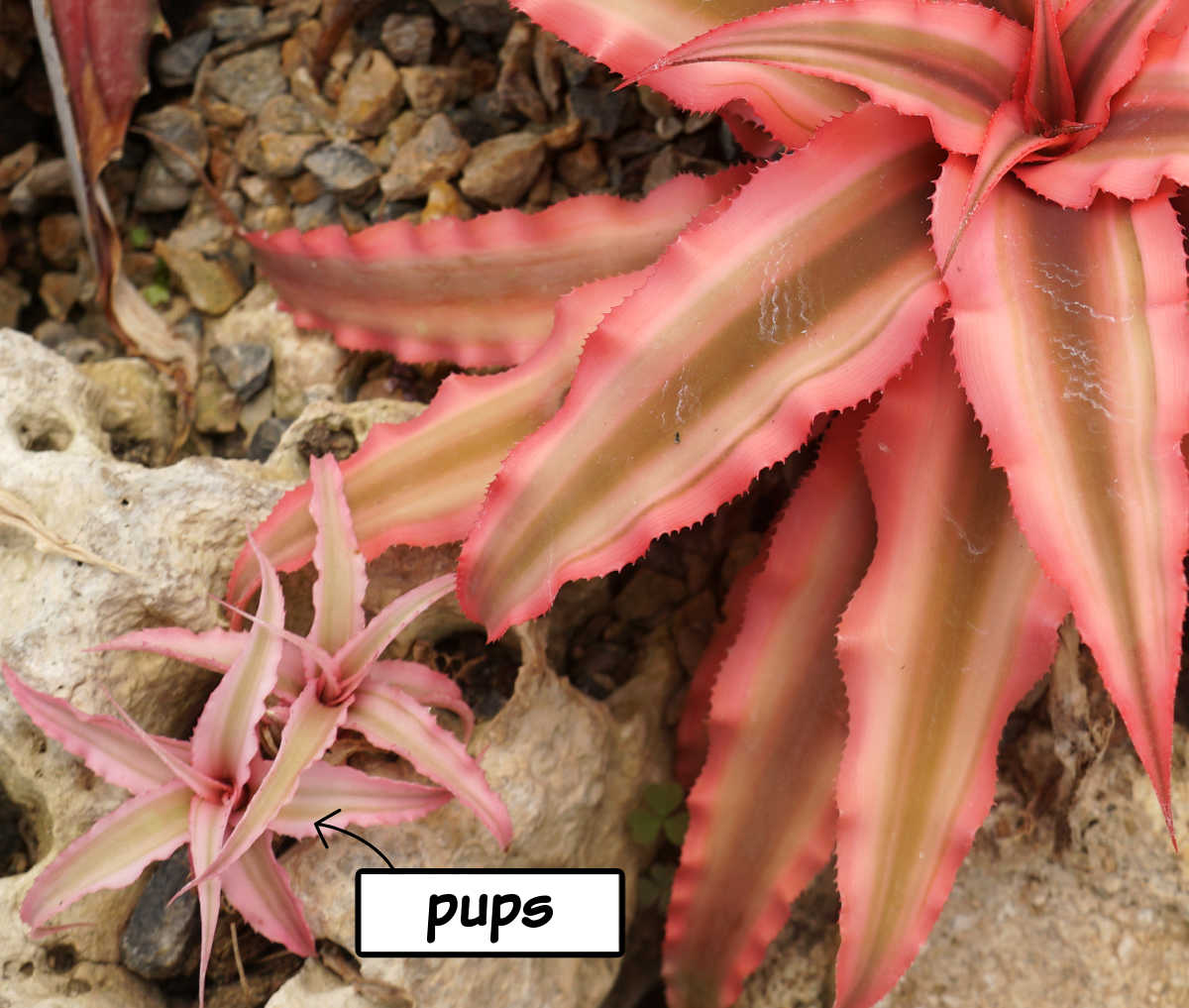
- These baby plants can be separated from the parent plant and grown in small pots.
- Propagation is best done in spring or early summer.
- Choose Cryptanthus pups that are about 1/3 to 1/2 the size of the parent plant. These will most likely have some roots.
- Separate them carefully and allow the ends to callus over.
- Plant in small pots with soil up to the base of the leaves.
- Roots typically grow in 2-3 weeks.
Cryptanthus propagation is also done by division, ensuring that each division section has roots.
Common problems & solutions for Earth Star
A few insects and diseases can affect Cryptanthus red star. Inspect your plant regularly to see if you see any of the following:
- Overwatering can lead to root rot. Water only when the top inch of soil is dry to the touch.
- Leaf spot will appear as discolored areas on the leaves. Ensure good air circulation around the plant to prevent this.
- Low light can cause the leaves to fade in color. Move to a sunnier spot.
- Be on the lookout for pests such as mealybugs. Treat the cotton-like bugs with alcohol on a Q-tip.
- Spider mites create fine webs on the Earth Star Plant. Use Neem oil to treat them.
- Aphids look like small, hard bumps on the stems of an Earth Star Bromeliad.
Display tips for Cryptanthus bromeliad
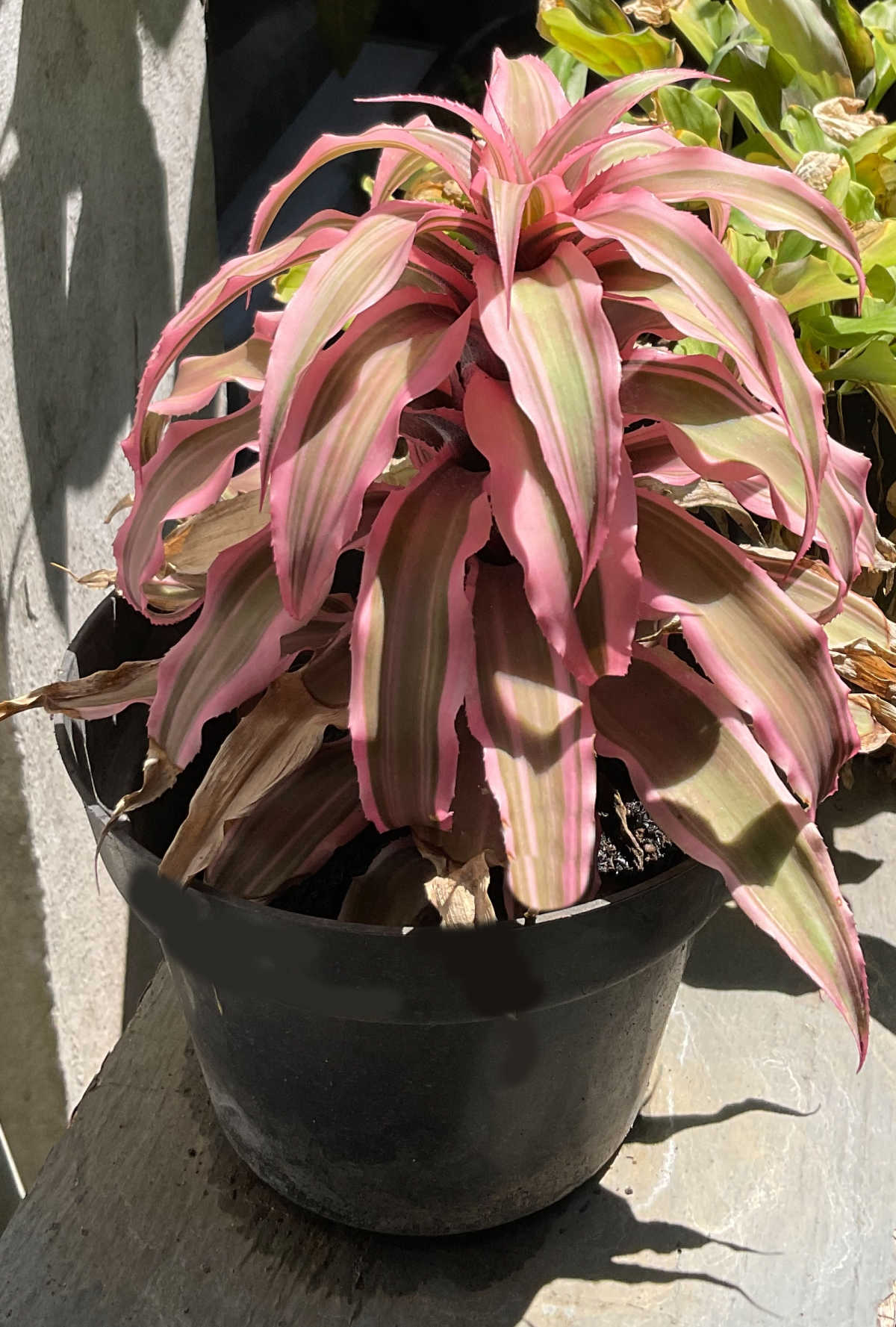
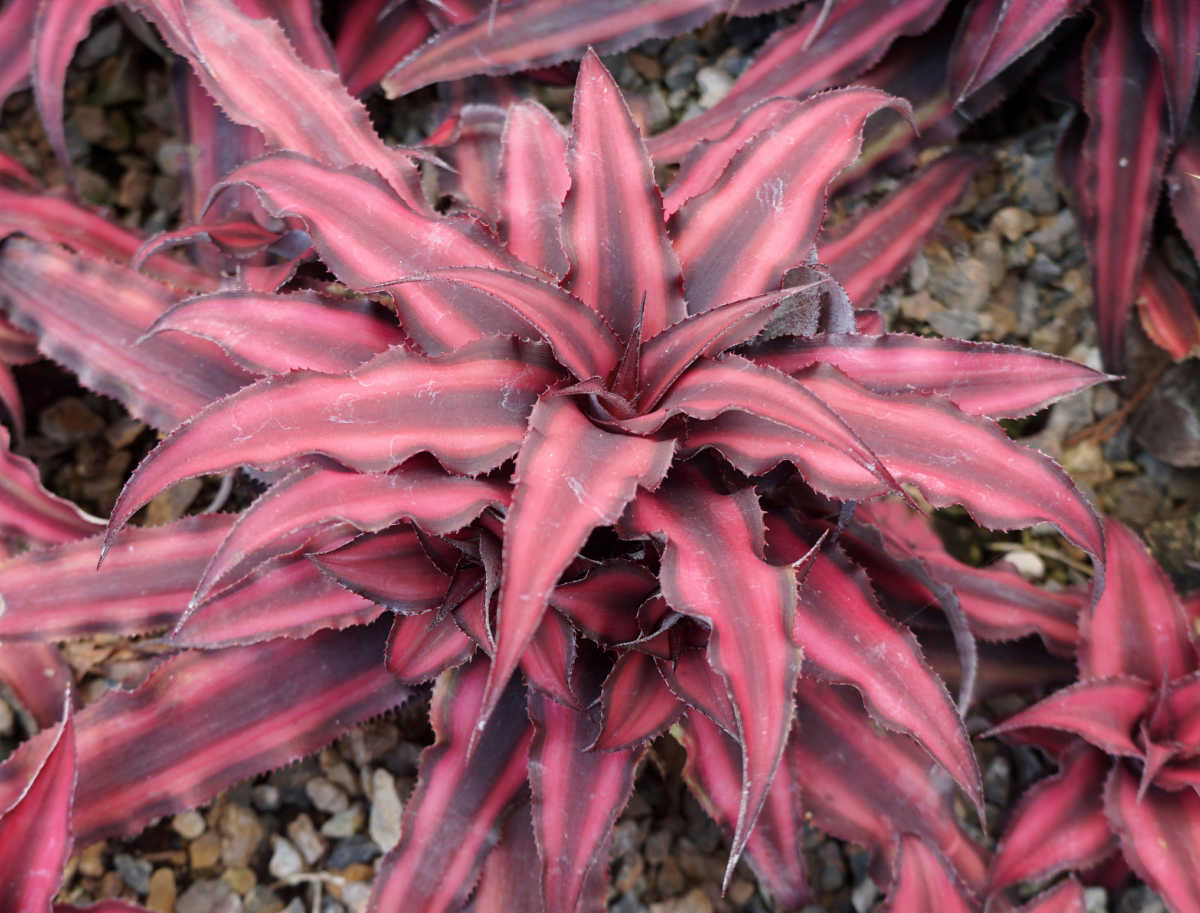
Cryptanthus bivittatus makes a striking addition to indoor spaces thanks to its colorful star-shaped leaves. Each star-shaped plant can have 10-20 leaves, each with tiny teeth on its serrated margins!
Place Pink Earth Star Plants on tables, shelves, or in terrariums where they can receive bright, indirect light and be easily admired.
Grouping multiple star bromeliad plants can create a vibrant display, while a single plant in a decorative pot makes a simple, eye-catching accent.
If you live in zones 10 or above, Cryptanthus red star can be grown outdoors in masses as a ground cover, allowing the pups to form clusters of plants.
Related posts
If you enjoyed learning about Earth Star Plant care, be sure to check out these other tropical indoor plant posts:
- How To Grow Tropical Bromeliad – Aechmea fasciata
- Flamingo Flower – Anthurium Plant – A tropical delight
- Peace Lily Care Indoors – How to care for a tropical Peace Lily
Share this guide to growing Red Earth Star Plant on X
If you enjoyed learning about the care of the bromeliad Earth Star, why not share this guide with a friend?
🌟 Meet Red Star Bromeliad! Cryptanthus Bivittatus is easy to grow indoors and adds vibrant color with its star-shaped leaves. Learn all about care, watering, light, and propagation! 🌿✨Get the growing guide on The Gardening Cook.… Share on XPin this post for bromeliad Cryptanthus care
Would you like a reminder of these tips for Earth Star Plant care? Pin this image to one of your gardening boards on Pinterest so that you can easily find it later.
You can also watch this YouTube slideshow video about other fun houseplants to grow!
 Admin note: This guide to Cryptanthus bivittatus care first appeared on the blog in December 2017. This post has been updated with new photos, a printable how-to growing card, and a slideshow video.
How to Grow & Care for Cryptanthus Bivittatus | Red Star Bromeliad
Learn how to grow and care for your Cryptanthus bivittatus, also known as Red Star Bromeliad. From soil and light requirements to watering, temperature, and propagation tips, this guide makes keeping your star bromeliad healthy simple and enjoyable.
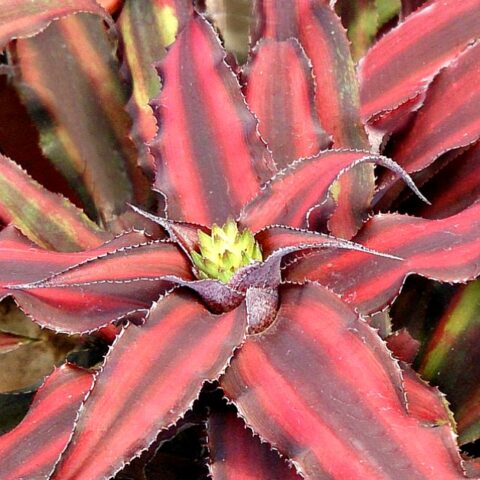
Image credit: Wikimedia Commons (image is cropped)
Materials
- 1 Cryptanthus bivittatus plant
- Bromeliad potting soil
- Balanced liquid fertilizer
- Neem oil
Tools
- Watering can
- Humidity tray with pebbles
Instructions
- Plant Cryptanthus bivittatus in a pot with well-draining bromeliad soil.
- Place the Earth Star Cryptanthus in bright, indirect light. Too much sunlight can scorch the leaves.
- An acidic soil pH of 4.0 to 6.0 is ideal.
- Water when the top inch of soil is dry to the touch. The plant likes to be moist but not soggy.
- Fertilized with half-strength liquid fertilizer monthly during the growing season (spring to summer).
- The ideal temperature is 50-80°F (10-27°C) with 60+% humidity. Place on a pebble tray with water to raise humidity.
- Plants grown indoors are typically 4-6 inches tall (10-15 cm) with a 6-12 inch spread (15-30 cm). See note for plants grown outdoors, below.
- Cryptanthus bromeliads bloom once, then produce pups before the mother plant dies.
- Blossoms are white or pink.
- Earth Star Plant is cold-hardy in USDA zones 10-11. In colder locations, grow as an indoor plant.
- Propagation is done from pups in spring or summer.
Notes
Note: Mature plants with lots of offsets can get very large when grown outdoors in warm locations, as this image from Wikimedia Commons shows. 
Recommended Products
As an Amazon Associate and member of other affiliate programs, I earn from qualifying purchases.


Billie Solomon
Sunday 22nd of November 2020
Are Red Stars winter dormant?
Carol Speake
Sunday 22nd of November 2020
Most bromeliads, including Red Star, have a dormant period in the winter when they need no fertilizer and less watering.
Sophia
Friday 17th of May 2019
What if the leaves of the plant have turned from red to almost pinkish green? Is it (red star) dying? What should I do?
Claudi
Wednesday 10th of August 2022
@Suzie,
Thank you for that! I was about to give up.
Suzie
Monday 8th of February 2021
My pink Cryptanthus was originally very pink when I purchased her. Then after the summer, I had to take her inside as I live in Canada ! 🥶 and that’s when I noticed the leaves had almost lost all their pink. There was very little light shades of pink here and there, but nothing more. I moved it to a macrame plant hanger, in front of my window (sun comes up there, so at noon-ish it’s over the house, so not too much direct sun. And within a week, the pink came back ! And as of today, all the leaves are a dark dark pink and it flowered and grew three pups, two of which I’m getting ready to remove from the mama. Give it a lot more sunlight ! The pink is gonna return and will be ever brighter and darker and just wow 🙂
Carol
Friday 17th of May 2019
Many plants with deep colored margins to the leaves get that way from being in just the right light conditions. It's possible that your plant may need a little more light to bring out the color.