
Have you ever tried using baking soda in the garden? Baking soda can be used to remove rust from garden tools, clean containers, absorb odors from garden bins, and test your soil pH!
When used properly, it can also be effective as a fungal spray and weed killer for concrete cracks and gravel driveways.
While baking soda is a great cleaner, it contains a high amount of sodium, which can be harmful to plants and soil when used improperly. Keep reading for a list of 9 ways to use baking soda safely in your garden.
Some of the links below are affiliate links. I earn a small commission, at no additional cost to you, if you purchase through an affiliate link.
Safe ways to use baking soda in the garden
Baking soda is an eco-friendly, non-toxic cleaning option for garden items. You can use baking soda for cleaning, sanitizing, and deodorizing the following items.
Clean rusty garden tools
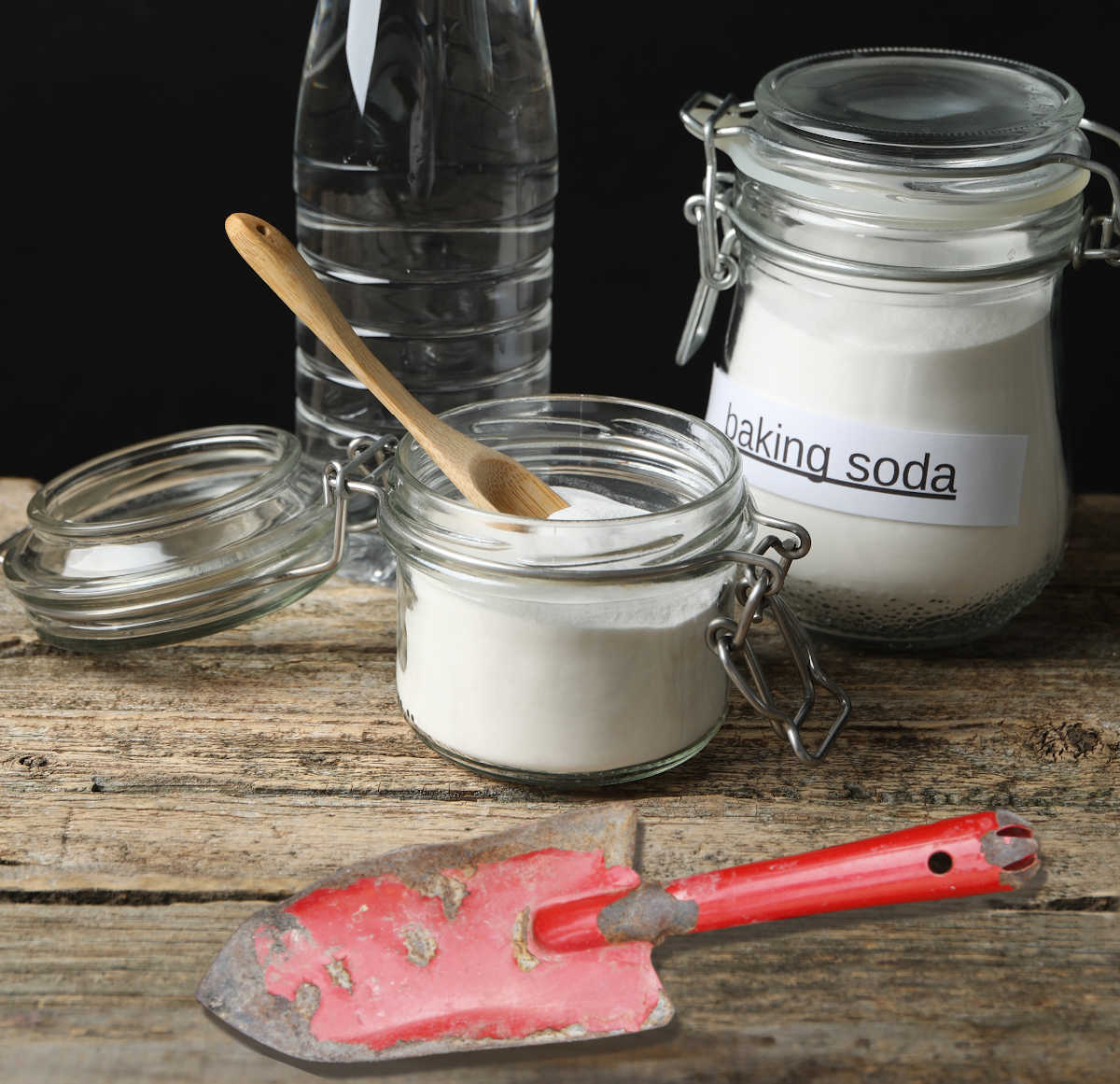
Garden tools can develop rust over time, especially when exposed to moisture. Baking soda’s mild abrasive properties make it effective for removing surface rust without damaging the metal.
- Mix equal parts baking soda and water to form a thick paste.
- Apply the paste to the rusty areas of the tool.
- Let it sit for 30–60 minutes to loosen the rust.
- Scrub gently with a wire brush or scouring pad.
- Rinse thoroughly and dry completely to prevent future rust.
Deodorize garden bins
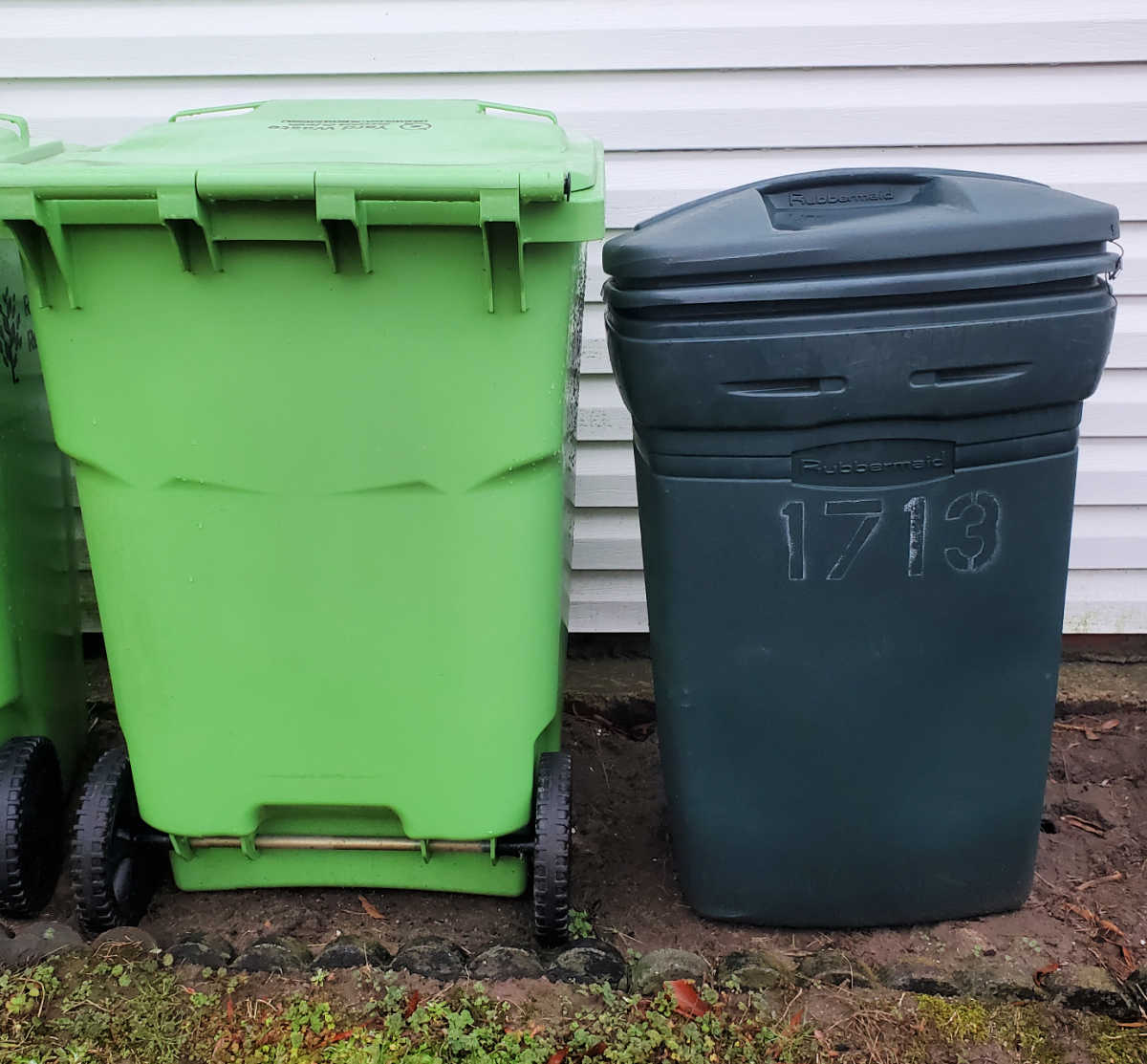
Garden refuse bins can develop strong odors, especially when they contain moist plant material such as weeds, grass clippings, or leaves. Baking soda helps to absorb moisture and neutralize odors.
- After collection day, sprinkle a generous layer of baking soda in the bottom of the empty, dry bin.
- For a more thorough cleaning, scrub the interior with a mixture of baking soda and water, then rinse and dry.
Deep clean clay pots
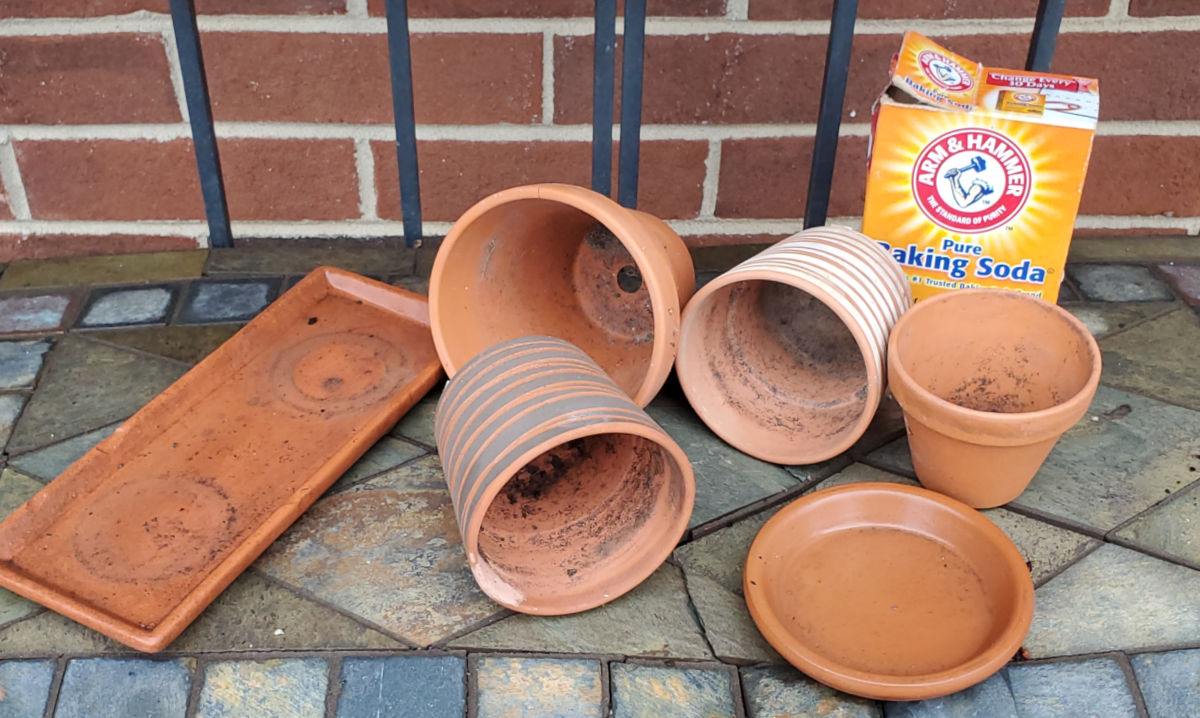
Even after cleaning, clay pots can still have stubborn salt deposits and dirt residue. Baking soda acts as a non-toxic abrasive that helps to remove these stains without damaging the pot’s porous surface.
- Remove any leftover soil from the pots with a brush.
- Clean them thoroughly with 1 cup of vinegar and 3 cups of water.
- Make a paste of baking soda and water with the consistency of hand lotion.
- Rub the paste onto the salt mark or stains, and leave it in place for about 20 minutes.
- Rinse thoroughly and allow the pots to dry completely before using.

Clean & sanitize bird baths
Bird baths need regular cleaning to keep birds healthy and prevent algae buildup. Baking soda is a safe, non-toxic cleaner that works well for routine maintenance and lightly soiled bird baths.
- Dump out any standing water and remove loose debris.
- Sprinkle baking soda directly onto the surface of the bird bath.
- Use a scrub brush and warm water to clean all areas.
- Rinse several times with clean water before refilling with fresh water.
Note: For another gentle cleaning option, see my article on cleaning a bird bath using Alka-Seltzer tablets and copper, which shows before-and-after results. Heavily soiled bird baths may require deeper sanitizing, such as the bleach cleaning method described here.
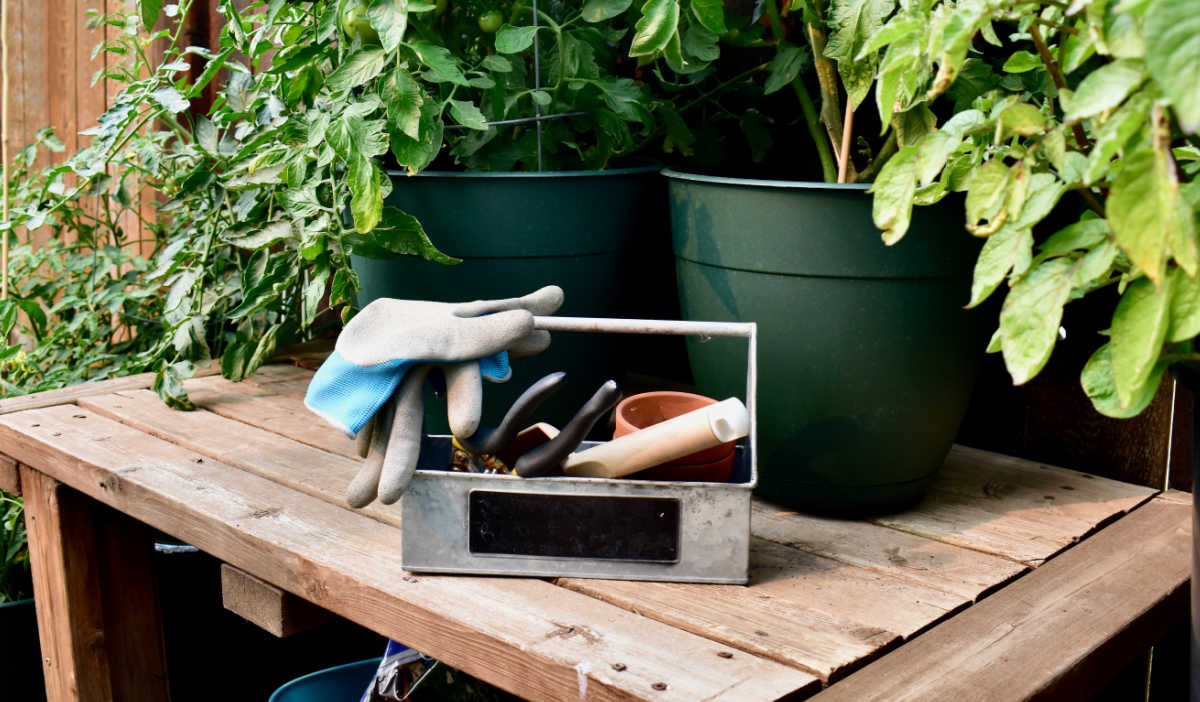
Sanitize garden work surfaces
Potting benches can harbor soil-borne diseases that transfer from one plant to another. Regular cleaning helps prevent this, and baking soda provides a gentle, effective way to sanitize surfaces naturally.
- Mix 4 tablespoons of baking soda into 1 quart of warm water.
- Use the solution to scrub the potting bench thoroughly, paying attention to corners and crevices.
- Rinse the bench with cold water and let it dry completely before using it again.
This technique also works for garden benches or tables that you work on with potting soil and plants.
Is baking soda safe for plants?
Baking soda has legitimate uses in the garden, but improper application can damage plants and soil because it contains sodium. Keep these key points in mind:
- Baking soda does not distinguish between weeds and your plants.
- Its sodium content can harm plants if too much is applied.
- Repeated use can alter soil chemistry over time.

How to use baking soda for plants (what works and what to avoid)
Looking for some more creative ways to use baking soda in the garden?
Below are the four best ways to use baking soda for plants. Each method has instructions, an explanation of how it works, and any potential problems you may encounter.
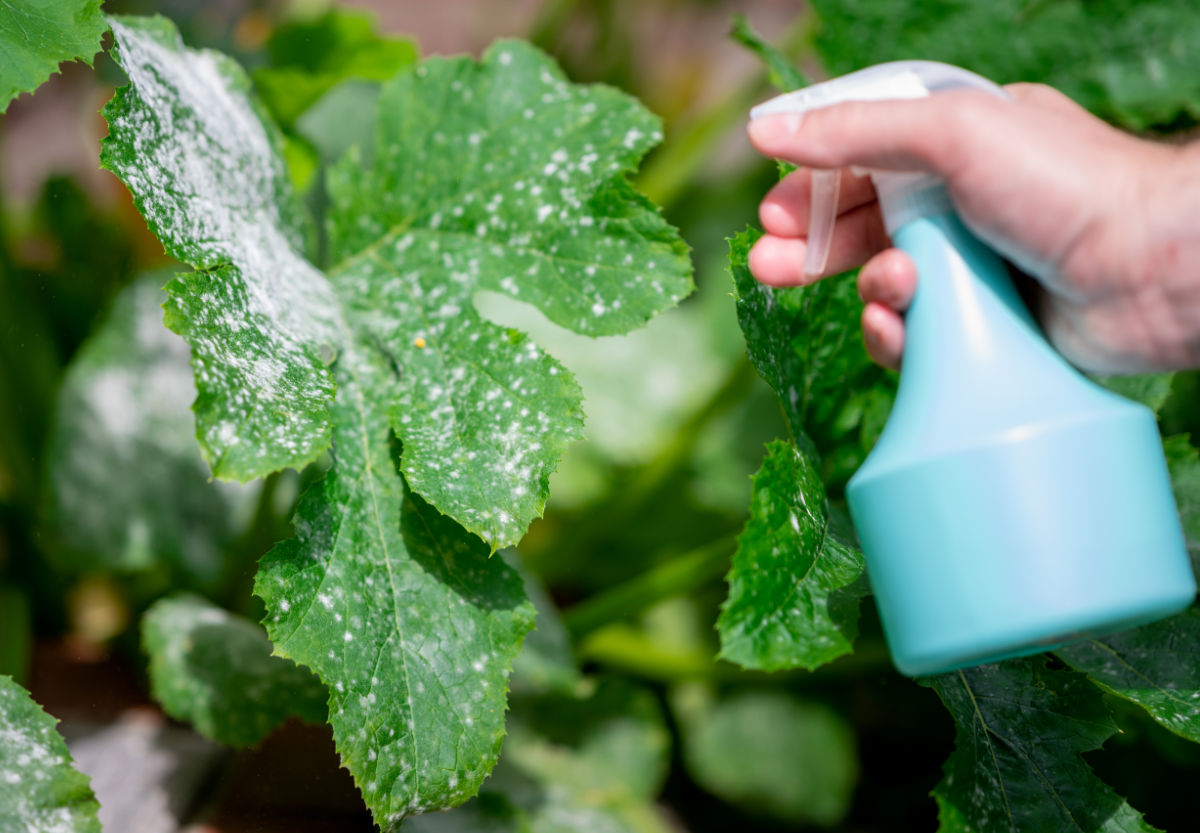
Fungicidal spray for powdery mildew
Gardens with high humidity are prone to developing powdery mildew. You can use baking soda to create a preventative fungicidal spray for your plants.
Baking soda powdery mildew fungicide recipe:
- Mix 1 tablespoon each of baking soda, vegetable oil, and dishwashing liquid with 1 gallon of water.
- Pour the solution into a spray bottle, and apply it to plants weekly.
How it works:
- The solution creates an alkaline surface on leaves that slows fungal growth.
- It acts as a preventative fungicide, helping slow the spread of spores before the disease takes hold.
Potential problems:
- Frequent use over time can raise soil sodium levels, potentially slowing plant growth.
- It does not kill existing fungus, so it works best as a preventative treatment.
- It is water-soluble and requires regular reapplication for continued protection.
Baking soda fungicide is most effective when powdery mildew is just starting to develop. For plants with a severe infection, or if you want consistent results without risking sodium buildup, I recommend a garden-safe fungicide.
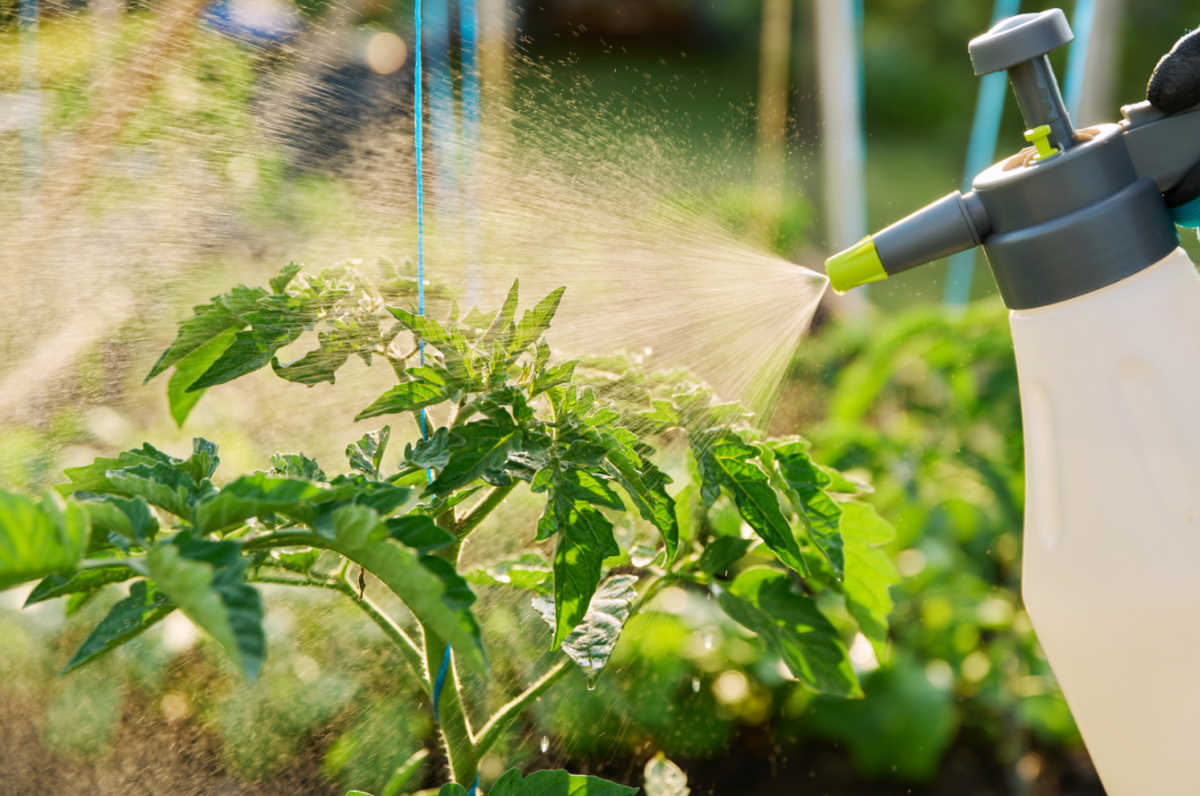
Fungal spray for tomato plants
When used properly, baking soda sprays can help prevent and manage fungal diseases on tomato plants (such as early blight, late blight, and septoria leaf spot)
Baking soda fungicide recipe:
- Add 1 tablespoon of baking soda, 1 teaspoon of vegetable oil, and 1 teaspoon of Castile soap to 1 gallon of water.
- Pour the solution into a bottle and use it to spray your tomato plants.
- This fungal spray is based on a recipe from the Department of Agriculture.
How it works:
- The baking soda fungicide spray changes the pH level of the leaf surface of tomato plants, making them more alkaline.
- This helps to prevent fungi like early blight from developing.
- Caution: Test this on one or two leaves first and wait 48 hours before you spray the entire plant.
Potential problems:
- Over-application can cause a buildup of sodium in the soil.
- It isn’t recommended for severe infections; it’s only useful as a preventative.
- The solution is water-soluble, so it needs to be applied frequently to be effective.
Note: If you are concerned about sodium buildup in the soil, Neem oil is an organic alternative.
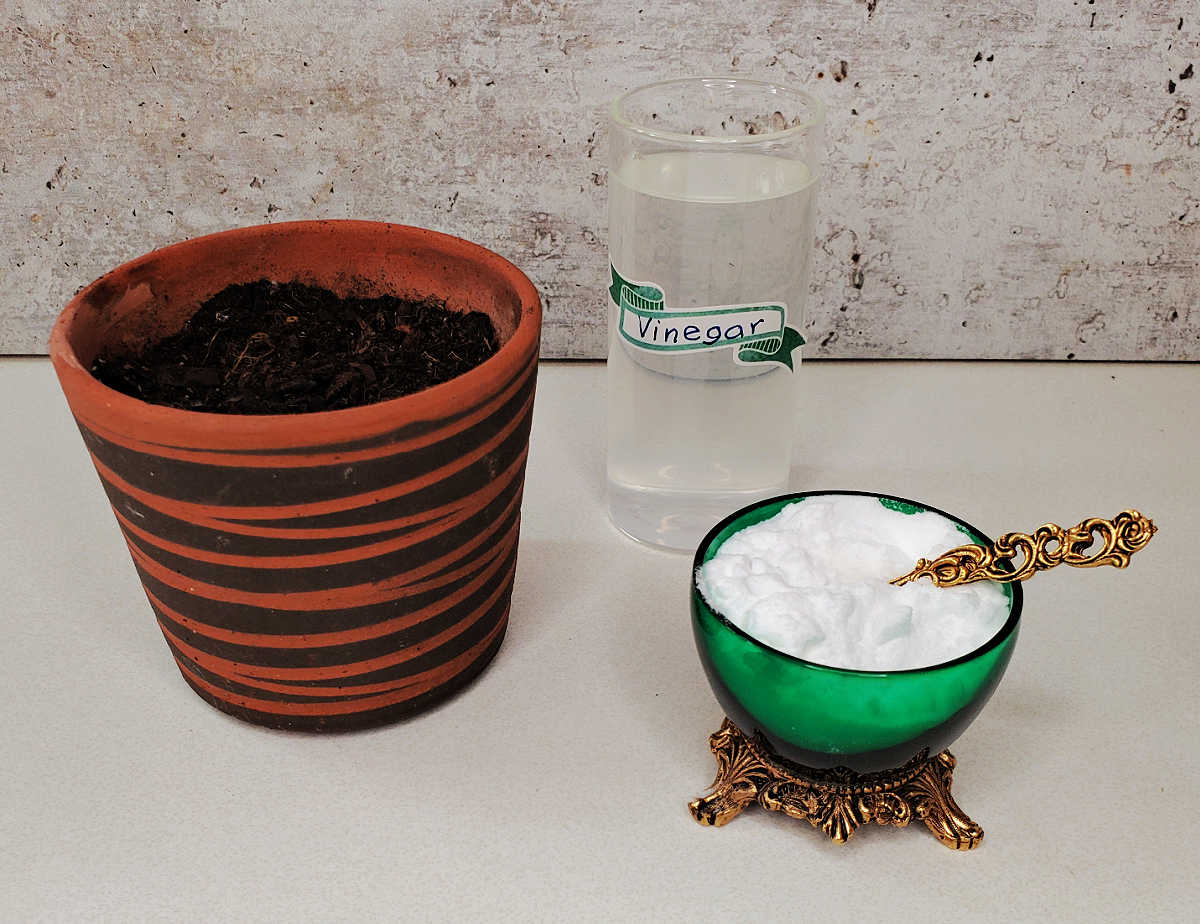
Baking soda soil test
Soil pH reflects the amount of nutrients in soil that are available to plants. If your soil pH is off, plants can’t absorb nutrients correctly. A vinegar and baking soda soil test will give you a general test of your soil pH.
Baking soda soil test directions:
- Take a soil sample about 6 inches below the soil level.
- Place one teaspoon of soil into each of two containers.
- Add ½ cup of vinegar to one container. If the soil fizzes, you have alkaline soil, with a pH of between 7 and 8.
- If no fizzing happens, add distilled water to the second container until the soil is muddy.
- Add ½ cup of baking soda to this container. If the soil fizzes, you have acidic soil with a pH of between 5 and 6.
- If your soil does not react in either cup, you have neutral soil with a pH of 6.
- Test source: Washington State University.
How it works:
- Vinegar is acidic, and baking soda is alkaline. When these products react with soil, they can create bubbles.
- Bubbling with vinegar indicates acidic soil, and bubbling with baking soda indicates alkaline soil.
- These bubbles indicate a range of soil pH without the need for testing kits.
Potential problems:
- This test gives only a range of soil pH, but not a specific pH value.
- Some reputable reports indicate that the test is unreliable.
- For an accurate test that tells your exact soil pH, contact your State Department of Agriculture. Many state departments will test your soil for free.
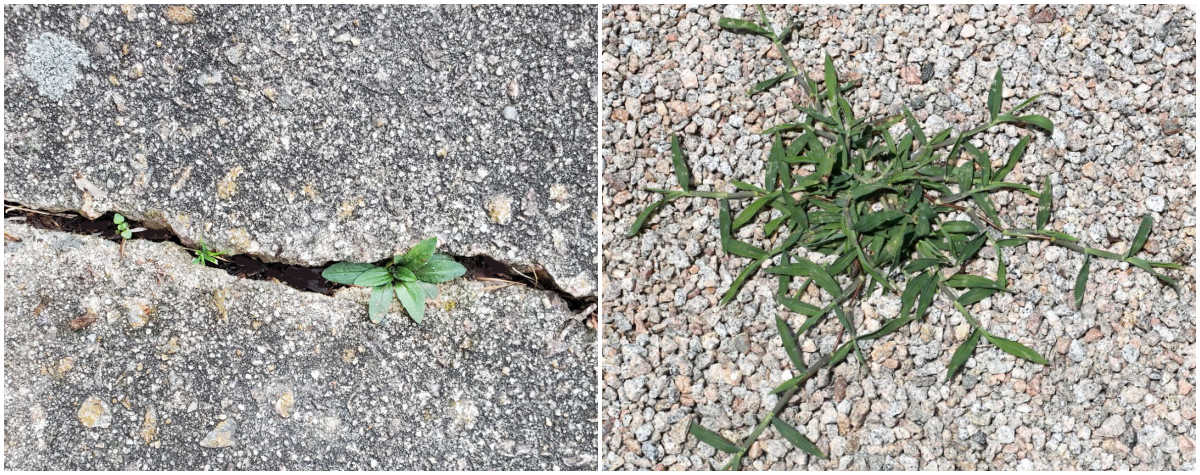
Baking soda weed killer
You can use baking soda as a natural herbicide for weeds in concrete cracks and gravel driveways, but it must be used carefully.
How to do it:
- Wet the weeds first or apply the baking powder after a rain so that it sticks to the weeds.
- Apply a thick layer directly on the weeds you want to kill.
- Only choose weeds in cracks or in gravel driveways.
- Avoid using near garden beds and lawns.
How it works:
- Baking soda’s high sodium content dehydrates weeds and causes moisture loss, which kills them.
Potential problems:
- Baking soda is non-selective, meaning that it will also kill any plant it touches.
- It may not kill weeds with deep taproots.
- It is not permanent since it does not have a residual effect, and may require repeated applications.
- Excessive use may increase soil salinity and affect soil pH.
Common questions about using baking soda in the garden
Do you have more questions about using baking soda for plants in your garden? Check out the FAQs below.
Will baking soda make tomatoes sweeter?
No. Baking soda does not make tomatoes sweeter. Adding baking soda to soil or water can actually alter soil chemistry and may stress plants if overused. The sweetness in tomatoes depends upon variety, sunlight, water, and proper ripening – not the use of baking soda.
Does baking soda kill weeds in the garden?
Baking soda can kill weeds only when applied directly in cracks or on hard surfaces. However, it is non-selective and can harm nearby plants if sprinkled on soil or grass. Use it sparingly on driveways or patios, and avoid garden beds.
Does baking soda cure rose black spot?
No. Baking soda is not a cure for rose black spot (Diplocarpon rosae). It will not eliminate an existing infection. For an active infection, using a garden-safe fungicide and practicing good garden hygiene is more effective.
Can baking soda be used to repel garden pests?
Baking soda is not a reliable insect repellent. It may deter certain pests, such as ants or slugs, when applied directly in small areas, but it is not a reliable pest control method for your garden. Use targeted, safe pest control methods instead.
Can baking soda be used to make fertilizer?
No, baking soda does not provide the nutrients plants need to grow. While small amounts won’t harm most soils, it should not be relied on as a fertilizer. Stick with compost, organic amendments, or all-purpose fertilizers for healthy growth.
Does baking soda remove odors from a compost pile?
No, baking soda does not remove odors from a compost pile. Keep your compost pile’s odor low by using the proper amount of browns and greens. Additionally, baking soda’s high alkaline and sodium content kills essential microorganisms, slowing down decomposition.
Can you clean the leaves of indoor plants with baking soda?
Baking soda is not recommended for regular leaf cleaning. It can leave a residue on the leaves, which may block sunlight and reduce photosynthesis. For safe cleaning, gently wipe leaves with a damp cloth or use a mild, plant-safe leaf cleaner.
Does baking soda help cut flowers last longer in a vase?
No. Adding baking soda to flower water does not extend bloom life. Flower food packets and other natural methods are much more effective. Read how I tested these methods in my guide to cut flower care.
Printable of baking soda in the garden uses
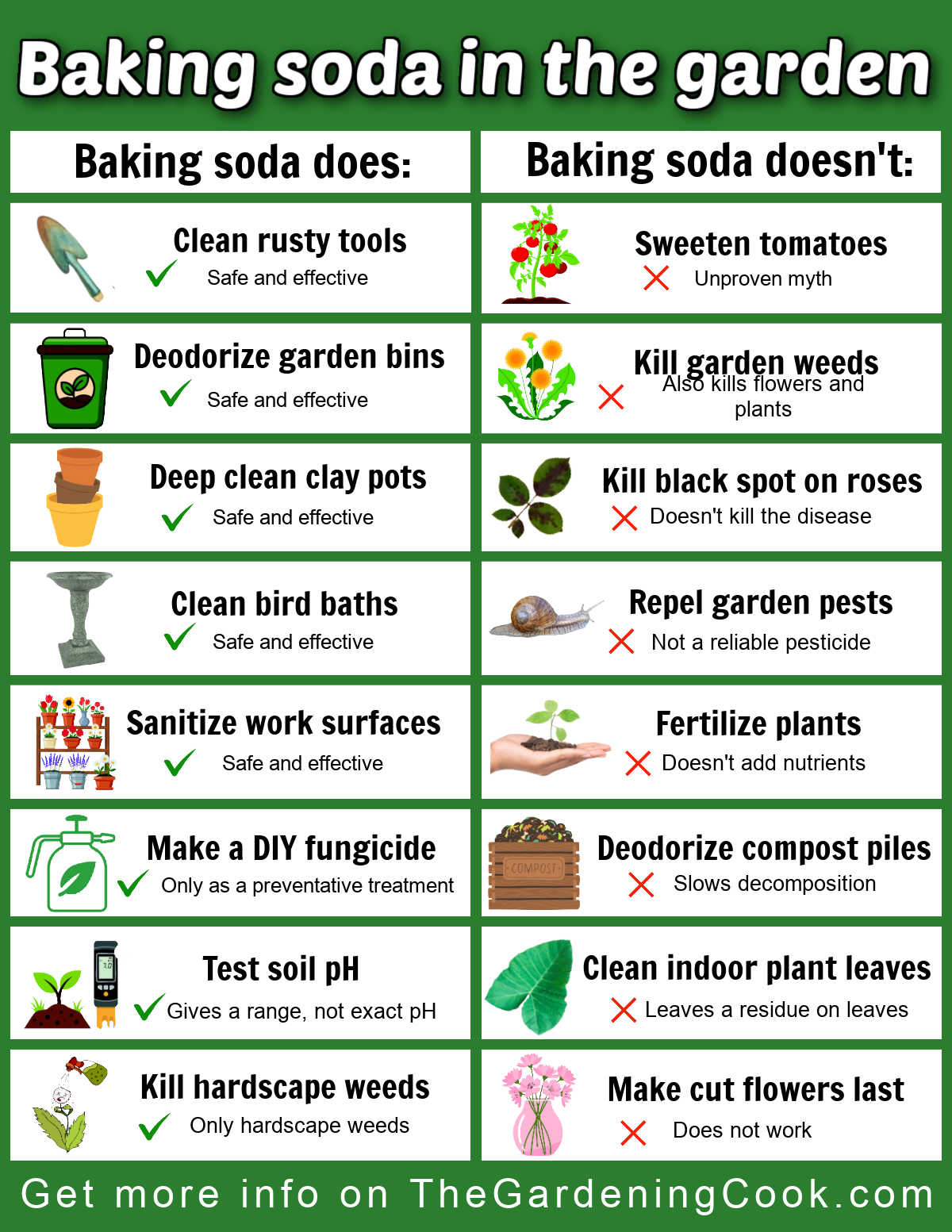
You can print this list of uses for baking soda for plants as a high-resolution JPG or PDF by using the links below.
Printing instructions:
- Choose portrait orientation and “fit to page” on your printer settings for a full page printout.
- You can also print this free printable featuring how to use baking soda in the garden in a slightly smaller size from the project card at the bottom of this page. Just scroll down and press “print”.
More help for common vegetable garden problems
If baking soda isn’t the solution you were hoping for, don’t worry. These guides will help you diagnose common garden problems and choose treatments that actually work.
- 🌿 Why Do My Tomato Plants Have Black Spots? Learn what causes leaf spots on tomatoes and proven ways to treat them.
- 🥒 Why Are My Cucumbers Turning Yellow? From watering issues to nutrient deficiencies, here’s how to pinpoint the real cause.
- 🐛 Tips for Dealing With Invasive Pests – Learn how to identify harmful yard pests and control them using guidance developed in partnership with the USDA.

Share this guide to baking soda in the garden on X
If you enjoyed learning safe ways to use baking soda for plants, why not share this guide with a friend?
🌱✨ Discover safe, practical ways to use baking soda in your garden! From cleaning tools 🛠️ to controlling powdery mildew 🌿, learn what works, and what to avoid.🚫 #GardeningTips #BakingSoda #DIYGarden #GardenHacks #PlantCare Share on XPin this post for using baking soda for plants
Would you like a reminder of this post for ways to safely use baking soda in the garden? Pin this image to one of your gardening boards on Pinterest so that you can easily find it later.
You can also watch this YouTube slideshow video about how to use baking soda for plants!
Admin note: This article on how to use baking soda in the garden first appeared on the blog in June 2013. This post has been updated with new photos, a slideshow video, and a printable answering the question What is baking soda used for?
Baking Soda in the Garden – Safe Uses, Precautions & What to Avoid (Printable Guide)
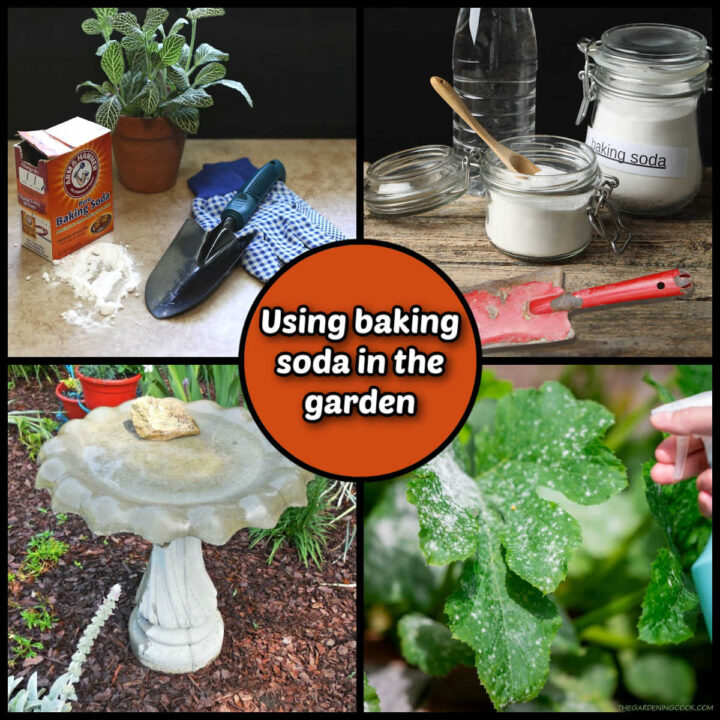
Download this printable guide to see which baking soda uses are safe in the garden, which require precautions, and which should be avoided entirely.
Materials
- Computer paper
Tools
- Computer
- Printer
Instructions
- Load your paper into your printer.
- Using the print function on this card will give you a baking soda for plants printable that fills about ¾ of an 8.5 x 11-inch sheet of paper.
- Choose portrait layout and, if possible, "fit to page" (or 125%) in your settings.
- Prefer full-page printing? You can also print the guide as a high-resolution file using your browser’s print feature: (PDF) | (JPG).
- Please note that creating free printables can be a time-consuming process. This baking soda garden guide is for personal use only. If you are sharing it (and thank you for that!), please link directly to this post, rather than to the actual image. We appreciate your help in supporting the site.
- This printable may not be used for any retail purpose or for mass distribution.ab
Notes
Recommended Products
As an Amazon Associate and member of other affiliate programs, I earn from qualifying purchases.
-
 Garden Tools Set, 3 Pack Heavy Duty Gardening Tools Set Include Garden Shovel, Transplant Trowel and Hand Rake with Ergonomic Handle, Aluminum Alloy Lawn for Planting, Orange
 -
 Rapitest Soil Test Kit for Gardens, Vegetables, Flowers and Lawns. USA designed and assembled soil tester completely, quickly and accurately measures/analyzes soil pH acidity and garden nutrients.
 -
 VIVOSUN 70oz Pump Sprayer, Portable Water Spray Bottle for Spraying Plants, Flowers, Weeds and Cleaning, Hand Pump with Side Filling Port, Measuring Cup, Adjustable Nozzles
Anne
Thursday 27th of July 2023
my lawn is totally full of crabgrass, how can i eliminate it without totally destroying a massive lawn, please,
Carol Speake
Friday 28th of July 2023
Hi Anne. There are chemical that will target Crabgrass (Scott's Spot Weed Control is one) but if the lawn is full of it, digging it up is the best solution.
jegan
Friday 23rd of September 2022
I made a mixture for my plant as follows.
Copper sulphate 30 GM's Baking soda 20 GM's Prophenophos 50 %ec Shampoo 18ml
All this together in 20litre and sprayed on my lemon trees after 1day lot of leaves are falling.
Pls help to quit from this problem
Golden Kajaba
Friday 5th of August 2022
well explanation no comments
bong carpio
Saturday 24th of April 2021
Is baking soda mixture like added with dishwashing liquid and vegie oil still favorable to add a pinch of ammonium sulphate..
Peggy Quattrocchi
Thursday 15th of April 2021
Hi Carol, Your gardening tips are great, thanks! I have a pear tree that I really love. Well, it developed pear rust on its leaves and now the tree looks like it is dying. The top branches are bare all the time. Will putting baking soda around the trunk of the tree help at all? I called an arborist for help and he wanted hundreds of dollars to come to take a look at my tree. Thank you for any advice you can give me. Peggy
Carol Speake
Saturday 17th of April 2021
HI Peggy. You will have better luck with someone locally. I don't diagnose any plants without being able to see the plant in person.