
Homemade Plant Fertilizers: Safe DIY Natural Alternatives to Miracle-Gro
Organic gardeners have long used homemade plant fertilizers in their gardens, and many home gardeners use compost as a form of enriching the soil to add nutrients.
Over the years, a variety of DIY Miracle-Gro-style recipes have circulated online, often using ingredients such as baking soda, Epsom salts, or household ammonia.
While these mixes may seem appealing, they don’t replicate the balanced nutrients that plants actually need and can sometimes do more harm than good.
Instead, this guide will show you safe homemade plant foods, natural soil amendments, and targeted nutrients for specific plant needs – all without relying on synthetic fertilizers.

The Gardening Cook is a participant in the Amazon Affiliate Program. This post may contain affiliate links. I earn a small commission, at no extra cost to you if you purchase through an affiliate link.
What makes a good plant fertilizer?

A good plant fertilizer gives your plants the right balance of nutrients they need to thrive. Different plants and growth stages require different nutrients, and fertilizers can work quickly or slowly depending on their form. Key elements to look for include:
- Nitrogen (N): Supports leafy growth and overall plant vigor
- Phosphorus (P): Encourages strong root development and flowering
- Potassium (K): Helps with fruiting, disease resistance, and overall plant health
- Micronutrients: Magnesium, calcium, iron, and other trace elements prevent deficiencies
- Form: Liquid fertilizers provide fast-acting nutrients; slow-release amendments feed gradually over time
- Soil compatibility: Good fertilizers improve or complement your soil’s natural structure without causing harm
Quick-acting liquid plant fertilizers
Liquid plant fertilizers are fast-acting because their nutrients are quickly absorbed through roots and leaves. These plant foods provide a timely nutrient boost during active growth stages, making them ideal for leafy growth and flowering.
However, they are generally less effective than slow-release fertilizers for long-term soil feeding and should be used as a supplement rather than the sole source of nutrients.

Fish tank water fertilizer
If you maintain a freshwater fish tank, the water from your aquarium can serve as a natural, nutrient-rich fertilizer similar to commercial fish emulsion.
How to use it:
- When cleaning your aquarium, save the water.
- Apply it directly to the soil around your plants.
How it works:
- Fish tank water acts as a nutrient-rich fertilizer for your plants.
- It contains nitrogen, phosphorus, potassium, and beneficial bacteria from fish waste.
Precautions:
- Only use water from freshwater tanks. Saltwater aquariums contain sodium, which can damage plants.
- Aquarium water fertilizer works best for foliage plants. If using it on edible crops, apply it to the soil only, not the edible parts.

Compost tea fertilizer
Compost tea is a liquid fertilizer made by steeping finished compost in water to extract soluble nutrients and beneficial microorganisms.
How to make it:
- Fill a bucket with finished compost (not scraps).
- Add water (5 parts water to 1 part compost).
- Stir daily and steep 24–48 hours.
- Strain through cheesecloth to a light tea color before applying to plants.
How it works:
- Compost tea contains small amounts of nitrogen, phosphorus, and potassium.
- It also has micronutrients and beneficial microbes that support soil and root health.
- This provides a quick nutrient boost while also enhancing microbial activity in the soil.
- Compost tea, added to soil, nourishes flowering bulbs like daffodils.
Precautions:
- Use only fully finished compost to reduce the risk of pathogens.
- Apply promptly after steeping.
- Dilute well for seedings and transplants.
- Avoid overapplication since nutrient levels can vary depending on the compost source.

Kelp extract fertilizer
Kelp extract, derived from seaweed, is a natural source of micronutrients, trace minerals, and plant growth-promoting compounds. It can be applied as a foliar spray or soil drench to support overall plant health, particularly during periods of active growth or stress.
How to use it:
- Dilute kelp extract according to the manufacturer’s instructions (typically 1–2 tablespoons per gallon of water).
- Apply directly to the soil or as a leaf spray every 2–4 weeks.
How it works:
- Kelp extract contains potassium, trace minerals such as iron, zinc, and manganese, as well as natural plant hormones like cytokinins and auxins.
- These compounds can improve root development, enhance stress tolerance, and support flowering and fruiting.
Precautions:
- Use only as directed; concentrated application can burn foliage.
- Kelp extract is a supplement, not a complete fertilizer.
- It should be used with compost tea, fish tank water fertilizer, or a balanced plant food.
Slow-release soil amendments
Slow-release soil amendments provide nutrients to plants gradually while improving soil health.
Compost, crushed eggshells, coffee grounds, banana peels, bone meal, and aged manure feed plants over time. They help support stronger roots and a thriving garden without relying on synthetic fertilizers.

Compost
Compost is made from a combination of brown and green (dried and moist) organic matter that combines and breaks down over time. A big advantage is that it is free if you have your own compost pile.
How to use it:
- You don’t need a large compost pile – a rolling compost pile or a small compost tumbler works well.
- Add garden refuse and food scraps as they become available.
- Rotate the pile every few days.
- With frequent turning, you can get humus in 3 -6 weeks.
- Once humus forms, screen it and add a scoop to every pot of soil or to your garden soil, near plants.
How it works:
- A compost pile uses microorganisms (bacteria, fungi, and worms) to decompose organic waste to make a nutrient-rich product called humus.
- This slow-release soil amendment enriches your soil by adding nutrients and improving soil structure.
Precautions:
- Proper composting takes time, so you will need to plan ahead.
- Compost improves soil fertility over time by increasing organic matter and nutrient availability, rather than acting as a fast-acting fertilizer.

Crushed egg shells for plants
Eggshells are mostly calcium carbonate. They can be a slow-release calcium source when incorporated into the soil.
How to use them:
- Rinse and dry the eggshells to remove any residue.
- Crush them finely using a mortar and pestle or food processor.
- Sprinkle the crushed egg shells around the base of plants or lightly mix them into the soil.
How it works:
- Eggshells slowly release calcium into the soil, strengthening plant cell walls.
- This can help to prevent blossom-end rot in tomatoes and peppers.
Precautions:
- Nutrient release is slow; don’t rely on it for an urgent calcium deficiency.
- Larger pieces decompose very slowly and may attract pests.
- Eggshells are not a complete fertilizer, since they don’t provide nitrogen. phosphorus, or potassium.

Coffee grounds for plants
Coffee grounds are a useful addition to your garden. You can use the grounds as a nitrogen fertilizer, to add organic matter to the soil, or to feed beneficial microorganisms and earthworms.
How to use them:
- Spread used coffee grounds in a thin layer on the soil, or mix them into compost.
- Limit the layers to ¼ to ½ inch at a time to avoid clumping.
How it works:
- Coffee grounds for soil add nitrogen and organic matter gradually.
- They support beneficial microorganisms that improve soil fertility.
Precautions:
- If applied too thickly, they can repel water.
- Monitor the soil pH if you use them often; fresh coffee grounds are quite acidic and can lower soil pH.
- Coffee grounds on their own are not a cure for a nitrogen deficiency.

Banana peels for plants
Banana peels contain potassium and other nutrients important for plant health, which can help plants after they decompose. For this reason, banana peels are most effective when added to compost or worked into soil where microbes can break them down.
How to use them:
- Chop banana peels into small pieces.
- Bury them a few inches into the soil near plant roots.
- You can also add them to your compost pile for a gradual nutrient boost.
How it works:
- Banana peels for soil provide potassium, phosphorus, and small amounts of nitrogen as they decompose.
- They support microbial activity that improves soil health.
Precautions:
- Decomposition is a slow process, not a quick fix.
- Large pieces left on the soil can attract pests.
- Amounts of potassium and phosphorus depend on the variety of banana and its ripeness.

Bone meal for plants
Bone meal is a mixture of finely ground animal bones and other waste products from slaughterhouses. It can be used as a slow-release fertilizer to provide a good source of phosphorus and calcium.
How to do it:
- Sprinkle 1-2 tablespoons around the base of plants.
- Work it into the top 2 inches of soil.
- It’s best applied at planting time for bulbs, flowers, and vegetable transplants.
- You can also mix it into compost for a gradual nutrient release.
How it works:
- Bone meal for plants provides phosphorus for strong root development and calcium for healthy cell walls.
- It is a good choice for garden beds because of its slow-release, long-term properties.
- It encourages robust flowering and fruiting.
Precautions:
- Use only food-grade or garden-grade bone meal, not cooking leftovers.
- Avoid using too much, since excess phosphorus can harm plants.
- Keep away from pets; cats and dogs can be attracted to the smell.
Targeted magnesium fix
Some plants develop specific nutrient deficiencies that aren’t solved by general fertilizers. Targeted nutrient fixes provide the precise element a plant needs – like magnesium, without overloading the soil.
In this section, we’ll cover Epsom salt fertilizer, a simple and effective option for a magnesium deficiency in plants.

Epsom salt fertilizer
Epsom salt provides minerals magnesium and sulphur to plants with a magnesium deficiency.
How to use it:
- Combine 2 tablespoons of Epsom salt with 1 gallon of water.
- Mix well and place the solution in a spray bottle.
- Mist your plants once a month with this mixture.
How it works: Epsom salt provides magnesium and sulphur to your plants, encouraging bushy growth, improved bloom, and stronger roots.
Precautions: Use only on plants with a confirmed magnesium deficiency.
If your plant is not lacking magnesium, a balanced plant fertilizer is more beneficial.

Can you fertilize your plants too much?
Even natural or homemade fertilizers can be overused. Too much of any nutrient can harm your plants. It’s important to know the warning signs and take a careful approach.
Root and leaf burn
- Excess fertilizer salts can damage roots and leaves.
- Symptoms: stunted growth and slower blooming.
Pests and diseases
- Over-fertilized plants can attract pests or become more susceptible to disease.
- Example: Very lush, nitrogen-heavy growth can invite aphids.
How to recognize over-fertilization
- Yellow or brown leaves.
- Slow growth and wilting, even after watering.
For more serious fertilizer burn, you might notice a white, salty crust on the soil surface. If this happens, water the plant thoroughly to help flush salts from the top layers of soil. This can reduce damage and give your plant a chance to recover.
Check your soil moisture and nutrient levels before adding more fertilizer. When in doubt, less is more – start with a small amount and observe your plants before adding more fertilizer.
Homemade plant fertilizer printable

You can print this DIY plant food printable as a high-resolution JPG or PDF by using the links below.
Printing instructions:
- Select portrait orientation and “fit to page” on your printer settings for a full-page printout.
- You can also print this free printable featuring homemade plant fertilizers in a slightly smaller size from the project card at the bottom of this page. Scroll down to the project card and press “print”.
Related posts
Explore more homemade plant fertilizers and natural plant boosters to keep your garden thriving without chemicals.

- Using coffee grounds in the garden: This everyday leftover can feed soil, help with vermicomposting, and provide greens for your compost pile.
- Trench composting with food scraps: Use your banana peels, coffee ground and eggshells in a targeted way with this composting method.
- Unusual things you can compost: From toilet paper rolls to eggshells and pet hair, these items can all contribute to your compost pile.
Share this guide to safe homemade plant fertilizers on X
If you enjoyed learning how to make your own DIY plant fertilizer, why not share this guide with a friend?
🌱 Say goodbye to homemade Miracle-Grow! Discover safe, natural ways to feed your plants 🌿 From fish tank water to compost tea & Epsom salt, your garden will thrive without chemicals 🌸#HomemadePlantFertilizer #DIYGarden… Share on XPin these natural plant fertilizers
Would you like a reminder of these natural plant fertilizers and soil amendments? Pin this image to one of your gardening boards on Pinterest so that you can easily find it later.

Admin note: This post with safe plant food recipes first appeared on the blog in April of 2014. I have updated the original post to add more homemade plant fertilizers, a slideshow video, new photos, and a printable of natural plant fertilizers.
Homemade Plant Fertilizers & Soil Amendments – Printable Reference Guide

Download this printable guide to natural plant fertilizers and soil amendments, including their benefits, best uses, and important precautions.
Materials
- Computer paper
Tools
- Computer
- Printer
Instructions
- Load your paper into your printer.
- Using the print function on this card will give you a homemade plant fertilizer printable that fills about ¾ of an 8.5 x 11-inch sheet of paper.
- Choose portrait layout and, if possible, "fit to page" (or 125%) in your settings.
- Prefer full-page printing? You can also print the guide as a high-resolution file using your browser’s print feature: (PDF) | (JPG).
- Please note that creating free printables can be a time-consuming process. This DIY plant foods list is for personal use only. If you are sharing it (and thank you for that!), please link directly to this post, rather than to the actual image. We appreciate your help in supporting the site.
- This list may not be used for any retail purpose or for mass distribution.
Notes
Recommended Products
As an Amazon Associate and member of other affiliate programs, I earn from qualifying purchases.
-
 Plant Foods Liquid Kelp Fertilizer – Suitable for Organic Growing, Seaweed Concentrate for Lawns, Gardens & Soil.
 -
 Bone Meal Fertilizer | Add to Potting Soil | Strong Root Development | Organic Gardening | for Tomatoes, Peppers, and Bulbs.
 -
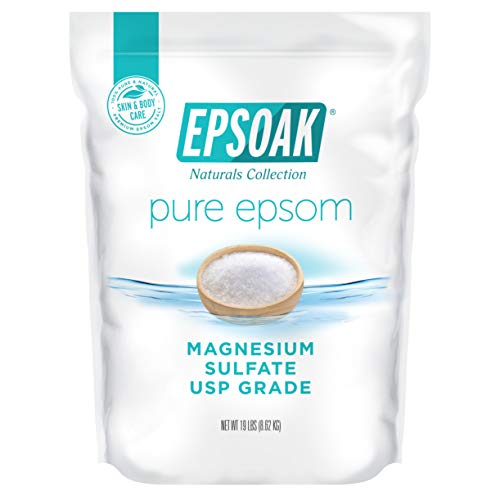 Epsoak Epsom Salt 19 lb. Bulk Bag Magnesium Sulfate USP - Natural Fertilizer for plants with a magnesium deficiency.


What do you mean by 1 tsp ammonia? Ammonia is a gas. Do you mean Ammonia sulfate, or some other compound?
Lol that is exactly what I was thinking when I read ammonia, I would not use that until you know for sure, you walk outside 10 minutes later after using it and you may have a dead ass plant
Read properly house hold ammonia in a bottle
the recipe uses common household ammonia. You mix 1/8 -1/4 of the concentrate with 4 cups of water in a watering can and water your plants that way.
She did not finish her recipe on this after she said water all your plants she forgot to put by mixing 1/8 two 1/4 of the concentrate with 4 cups of water in a watering can so what she gave you is the concentrate formula and forgot to put that you have to add that with 4 cups of water so please pass this on
Since the concentrate is approx one gallon, mix 2-4 cups (1/8 to 1/4 gallon) into 4 cups water in watering can? Thank you
What if you don’t have ammonia? Would you have ideas on how to get rid of Burrs? How to start your compost outside? How to land scape back yard from all the burrs and mud due to water leaks?
I don’t know what to suggest instead of ammonia. This is the formula I use. Burrs don’t like competition, so the healthier your lawn is, the less you will have of them. They also don’t like to be watered much. I have heard that orange oil as an organic treatment for burrs is recommended but I have not tried it.
Go to the grocery or drug store and buy some. It is very cheap.
@Tammy,
It is 1/8 to 1/4 cup of the concentrate added to 1 gallon of water. Don’t add 1/8 to 1/4 of the total concentrate, just the cup measurement.
It’s a bottle of clear liquid which is labeled “Household Ammonia”. You can usually find it at any grocery store, Target, Walgreens, or any drug store. Hope that helps. 🙂
City Slickers, I feel so sorry for them.. hopefully some of them will be able to learn a few things about gardening. ..before times get really really hard… and they are coming…. otherwise they will All Starve to death.. because there will be no stores to run out to to get food from.. so the more they can learn how to plant a garden , harvest it, and can what that garden produces. . THE MORE AHEAD OF THE GAME THEY WILL BE…..
I was from the city and we moved to NH 12 years ago. I didn’t know much about growing veggies, but I started getting interested last year and thanks to all of you who do know, I have been growing cucumbers, tomatoes, peppers green onions , and lots of herbs! I’m trying. I have always hated the city, love the country! Thanks for all your help!
I lived in Maine for 27 years, so I know that part of the country! Carol
That’s the stupidest thing I’ve ever heard. You country people think you are so superior, but I can tell you, I’ve lived in the city all my life. I own a business growing tomato, pepper and other seed from scratch and my heirloom, organic, healthy plants are in demand. I know about cows chickens, horses and horseback riding, etc. Being a city dweller DOES NOT make us ignorant, stupid or foolish. I’m really fed up and offended with the attitude of country people like you who think you are so superior. As the papa in My Big Fat Greek Wedding said to his new in-laws, “…you are apples and we are oranges, but in the end we’re all fruits!” So Mr. Fruity go plant your garden and I challenge you to make it better than my and many other city dwellers gardens.
Grow up Peg, and get over yourself. Check that attitude at the door, and enjoy the website for what it’s worth, or go away.
You sound very insecure about yourself, or you wouldn’t be rambling on so much about YOURSELF.
We all live in the country if think about it. Just enjoy life and listen more than you talk. That’s why we were all give twice as many ears as mouths!
You are right, it was a very insulting remark and you can find excellent gardens of all kinds in cities but don’t let what was written rattle you. Life is too short and full of precious moments and things to fill our minds and lives. Don’t let the critical generalization of one person mar such a beautiful thing as gardening. You don’t have to prove anything to anyone. Blessings.
This thread.wasn’t created for individuals to criticize each other, but for each of us to learn and grow better gardens.
I enjoy all the tips and tricks offered here from so many experienced growers. I hope to build a better garden through the information each writer has shared here ?
Thanks Gia. I agree. This is the only post on my entire blog that has criticism of each other. Not the norm for sure! Carol
Then you should tell your big city News media to stop interviewing city born-and-bred 18-25 year old Mall Bunnies for all the laughs the can produce out here in the real world. They are at once both very funny and extremely pitiable, and therefore shed a poor light on all (or most)(or some) city dwellers. We used to label their responses by Pollock, or blondes, or hillbillies but that is no longer Politically Correct.
You should start a worm farm on your rooftop and see what response you get from a poll of your neighbors, and report back to us. That might give us a better perspective of how “off” those Sidewalk/TV interviews are. :op
I didnt hear anyone call city ppl ignorant. I live in Chesapeake, Va. Grow everything organic. Use home remedies like Epsom salt, cayenne pepper,mild soap ext. Relax & dont be so mean spirited.
Peg, try 1gallon of apple cider vinegar, 1lb. of salt & 1 bottle of Dawn. You will never use Roundup again. I have 4 dogs live in the city & dont want harmful chemicals. This recipe will kill weeds in ab 4hrs. ?
I agree, i’m be able to learn from you alsonot from the city ,actually i’m a farmers daughter, but i like to learn other forms of gardening,we should’nt treat other people that way.Peg it looks like i might
I lived in small towns & in the country for most of my life. But I don’t know any more about gardening then your average city slicker. There are people in the city that don’t even know what creatures house the meat they eat. Most don’t try growing a garden because they generally don’t have room. So I actually don’t think she meant any harm. Take it with a grain of salt. You know more than most. I would be proud too if I were you.
I thing what the people Nancy was talking about were ‘City People’ to me that is the worst insult you can say to someone. I do not mean urban dwellers, which is what Peg is. (Although her attitude about country people makes me wonder, I think she’s just jealous) ‘City People move to a rural area and want to change it to the city( they’re the ones who complain about a rooster crowing)
Why can’t you get a picture of a bunch of farmers because they’re all standing in a line
Calm down it isn’t all that for u 2 b so angry. All kinds of people from the city and country can know how to grow stuff. We don’t have to fight over stupid things.
What?! Is the world coming to an end?
Not to an end… But, there are some MAJOR changes on the horizon. And we all should be prepared. :o)
lol
too funny Luann
So if I use
Miracle Grow plant food I don’t need to give my plants fertilizer?
I think your attack on people who live in cities is uncalled for. If you can’t say something nice, don’t say anything at all. Don’t you think it’s sad that people need to be mean to others in order to feel better about themselves.
Always saying “nice” things is very nice, but usually not very informative. When learn when we rationally discuss opposing views, not when we are “nice” to the most “feckless person” in the room. (For example, I just had to find “feckless person” as the “nicest” word I could use to replace ‘moron’. ‘imbecile’, ‘retard’, ‘half-wit’. ‘dummy’, ‘simpleton’. or ‘cretin’… all of which are applicable, easier to say or write, but no longer Politically Correct.)
The problem is we are now faced with leaders in all fields of study that we treat nicely instead of pointing out their real attributes (see list above). MOST city dwellers are not prepared for any emergency… look at the catastrophes of recent years and tell me I’m wrong. According to FEMA we have had an average of 122 Disasters per year for the last 10 years (one every 3 days).
And some have tried for decades to “nicely” tell people how to prepare for such emergencies. So which of the above labels do not apply to those that “simply” wont listen?
I agree. I have lived in the country and the suburbs. Nice people both places.
Yes I do. Very uncalled for.
I come to learn.take what I need an leave the not for me.
Well, aren’t you a ray of sunshine?
Errata: We learn when… (not When learn when…)
I try to be because thats what we’re supposed to do.We learn a lot listening and not always being mean spirited I LIVE IN THE CITY!!!
That’s a bit harsh, rude even.
YOU PEOPLE ARE MISSING THE REASON for the comment. MOST people would understand “common Household Ammonia” . Hopefully none of us are storing Ammonia gas at Home. I don’t think the city slicker comment was meant towards city people as much as “Clueless People”
Gonna try this recipe starting today, the original posted, water, Epsom salt, baking soda, ammonia, dilute 1/8 to 1/4 mixture with 4 cups water in watering can. Looking forward to seeing the results!
Read all the info, glad I made it through the City/Country debate. 😜
I’m also pleased that debate is dying down! Carol
Nancy, that time is here and we see it. Foods are destroyed and never make it to the stores.
I hope you’re a prepper like my family. We are ok and hope everyone else is too
@Peg, She wasn’t talking about YOU…I think she is correct. Most people who live in the city know nothing about growing things. Read MOST. Thank goodness, that is changing..
@Nancy, are you going to run from your country garden when the locust swarms come to eat the crops? I bet you will along with the farmers too. The best insurance is to eat and fatten up while we still can.
I think you forgot that it is ” HOUSEHOLD AMMONIA ” …which is surely not a gas .
Yes, I though the same as you. (Stupid question)
Household ammonia is what the recipe asks for. Carol
Ammonia is a household cleaner, not a gas. Ammonia does not have to be gaseous, much like anything else having multiple states(forms) it can be used in. The naturally occuring state & the state at which something is needed to be in for it to become useful, may not be the same.
Household ammonia….. hard to understand?
Hi Hellen. It is just ordinary ammonia such as this. Carol
liquid ammonia as the kind you buy at the grocery store.
I tried the recipe for Home Made Miracle Grow and I’m amazed at the positive changes in my yard plants within a few days with just one serving. I also make home grown compost. I stopped by an Asian Market that sells fresh fish and asked if I could have a bucket of fish guts as they call them. They gave them to me and I made compost and that year I had tomato plants grow more than 8 feet high producing lots of delicious tasting tomatoes. Have pictures to prove it. Yes, I could have probably purchased fish fertilizer but preferred making my own. I was raised in the country and later lived in San Francisco. I prefer the country anytime where one can actually witness the seasons come and go. We no longer live in the city. To each her own.
Carmenrella
Thanks for sharing your experiences Carmen. Sounds like you have a great knack with veggies! Carol
thanks Carmen i have got to try this
Thanks for info!
Just use diluted pee.
Ammonia solution – ammonium hydroxide.
The recipe calls for HOUSEHOLD ammonia which is NOT a gas, but a liquid.
Household ammonia is a liquid in a bottle used for household cleaning.
Ammonia is a liquid cleaning product you can buy in any store that sells cleaning products, gardening supplies too.
I does give off fumes which is a vapor, and smells strong. But a small amount to a gallon of water helps your veggies grow.
You can buy household ammonia for cleaning. It comes as a liquid. I have experienced that it also takes the stinging pain away from bee and wasp stings.
Will cat pee work for the ammonia ?
Urine has to break down before “becoming ammonia”, and I’m not sure you would substitute it for household ammonia.
Thank you for that funny comment ….Cat urine….So funny.
It was also a good question with a thorough reply ?
i think pee would work. i could adjust my diet to the needs of my soil. im actually being serious, steven has a good point but how would u harness cat pee?
ummm just a thought about the cat pee, I know human urine is supposed to be “clean”, but if you look online you will see that pregnant women are not suppose to come in contact with cat eliminations and I wouldn’t put animal urine on or around my plants for fear of food contamination. Why not just make this without the ammonia if you don’t have or don’t like that product?
Do yo use a tablespoon of the compost tea and compost weed fertilizer mixed with a gallon of water just as you do the epson salt fertilizers?
Every time I read directions on this sort of thing it always says add to your plants once a month/week but how much of the solution do I actually add to them? I don’t want to add too little or too much…
Hi Jason, It is sort of a trial and error. I always err on the side of caution and add just a little to see how they do with it.
carol
So if baking soda, household ammonia, and Epsom salts aren’t chemicals, then what are they? I’m a lifelong gardener with a degree in chemistry. I always get a kick out of posts like this.
Probably from gardeners who live in radiation free zone! 🙂
I agree. Every time I read a post referring to “chemical free” herbicide or fertilizer, my first thought is, wait just a cotton pickin minute … All of these elements ARE chemicals. Heck, I’m made of chemicals. everything, both natural and not-so-natural is made of chemicals. I am also a lifelong gardener. My garden is totally organic … and it’s loaded with chemicals – LOL !!!
Hi Theresa … there was no mention of ” chemicals ” in this article . You might have a degree in chemistry , as I do , but you failed to see the importance of this recipe using ..” HOUSEHOLD ITEMS ” ; as opposed to commercial chemicals used in all fertilizers .
I just snagged a plant that someone threw away on the side of the road, going to plant it today to bad I did my aquariums water changes yesterday… lol that will work wonders though!
Hi Ashley. One of my favorite things to do is to try and revive plants that someone else think has no hope! Good luck with yours. Carol
do you use the home made miracle grow after mixing in gallon jug straight on plants or do you mix just a llittle in another jug of water to weaken the mixture before putting n plants?
do you use the home made miracle grow after mixing in galjug straight on the plants or do you mix just a small amount of the homemade miracle grow to another jusg of water to weaken tstrength ofthe mixture before putting on plants? would putting the mixture on the plants burn if not mixed with more water?
Hi Patricia.
The mixture is diluted in water for the recipe, so it can be used straight but you would only use a small amount of it. About what you would use for any liquid fertilizer. Otherwise you could burn the plants.
Carol
OK…The question was and is ” How much do you add to your plants”
A little bit is not an answer.
A tablespoon once a month for a 4″ pot is an answer…a tsp once a month for a 4″ pot is an answer….
So can someone please answer the question.
Dilute it 10 to 15 parts to water and use it as you water once a month is what I consider a little bit. For any home made recipe it is always good to dilute well and test with your own pots and soil, since all are different. If this formula is too weak then add more.
Carol
Any idea what that “homemade”, basically salt-water actually breaks down to being, when compared to MiracleGro’s guaranteed analysis of: 24(%)-08(%)-16(%), obviously referring to the immediately available Nitrogen, Phosphate & Potash. What percent(%) of which plant nutrients(N, P&K; specifically) is immediately available to the plants, if you mix according to the recipe, to make 1gal of “homemade concentrate”, that you will then thin down with more water, to a dilution ratio of 1part “concentrate”, to 10parts water. Now, you’ve already made the concentrate & reduced it again when you added some to fill the watering can, that diluted solution, of 1part concentrate for every 10 parts water, but a 1:15 is a easier ratio to calculate because its 1cup(part) solution plus 15cups (parts) water = 16cups (1-gal.) Of plant ready water blend, what is the immediately available nutrient percentages (%)???
Like what are the numbers, exactly; not almost, near, about, allitle less, a little more than, or any other approximate measurement, like “a handful”. WTF IS THAT? An open hand, a closed fistful, because i can put a whole lot in a handful of gold dust, hahaha.
So, what does each bit represent? A teaspoon of epsom salt in a gallon equals what % of what, etc.
Break it down, number by number, PLEASE! I’ve asked many & none have an answer.
Homemade is all well in good, I have not used, or been able to use, all the premixed home cleaning products on the market due to allergies for several years. So I have learned to go back to BASICS. Not city not country, not chemical free. But purer ingredients, such as Borax, Vingegar, oil and elbow grease. If you want precise directions, use miracle grow. If you want to make from what you have on hand, it will have to be adjusted for your purposes. But honestly, right from the ammonia question, it was quick to see, most don’t have these items ON HAND. Fyi Windex, mostly ammonia, Bath Salts and Medicated Bathing Crystals, mostly Epsom salts. Disinfecting cleaning with bleach, mostly bleach. So just go with Miracle Grow,
So it sounds like put 1 cup into 1 gallon of water, and use this mix once a month instead of straight water and then just water normally.
I prefer mixing products 1/4 of the suggested strength and use weekly, after all we don’t eat 15lbs of vegetables once a month, we spread it throughout the month.
Can I use Peppermint Epsom Salt to make miracle grow? This is the product that I have on hand.
Hi Renee. I am not sure how the peppermint would affect the epsom salt and the recipe, since I have not tried it that way. I can’t imagine that it would be a problem but don’t know for sure.
Carol
Hi there!
In the “DIY Miracle Grow” recipe, you say to add baking powder. Do you mean baking SODA?
Thanks!
Michelle
Hi Michelle. Oh my gosh. I can’t believe I didn’t notice this before. Thanks so much for alerting me. Yes, it is baking soda. I have fixed the article so that the recipe is correct now.
Kind regards,
Carol
🙂 Thank you, Carol!
Thank you for posting this formula! It’s a great reminder that commercially-manufactured products aren’t the only option. We’ve featured it in our recent blog post “10 {Easy} Eco-Friendly Backyard Projects”.
Thanks again for the great information!
A solution of 1 teaspoon baking soda to 1 gallon of water reduces instances of leaf burn. Add 1 teaspoon dormant oil and ½ teaspoon of dish soap or horticultural soap as a surfactant to help the mixture stick. Keep in mind the solution is water soluble, so apply on a dry cloudy day for best results.
I’d steer clear of the ammonia… “diluted ammonia makes the soil more alkaline. However, over time, which can be as soon as several days, it’s converted to nitrate, making the soil more acid, which isn’t best for all plants and might create an environment in which plants have difficulty getting the nutrients they need. ”
For mildew on squash and pumpkins I’ve had success with spraying diluted milk on them.
In reference to the fish tank water hint. I learned the hard way that you cannot use turtle tank water. We have a red eared slider and I got the brilliant idea to use her water for the plants. I used it on my pepper plants and within a couple of weeks, they were dead. I was utterly devastated. In hindsight, I think I probably should have really diluted it down good and then tried it, but live and learn. Now I just stick to my Epsom salt, egg shells, and coffee grounds.
Thanks for this tip. It is always good to hear how these tips work for people. Carol
its actually a really good fertilizer, as is turtle poo but the poo has to be “cured” i.e., dried for a period of two years because it will burn up anything you put it around otherwise.
Hi,
I have Thai Basil and Holy Basil in containers planted in coconut soil.
Can i use DIY miracle grow on coconut soil
Thanks
Roopa
Hello Roopa. I have never grown anything in coconut soil, so I do not know how the home made miracle grow will react with it. Carol
Thanks everybody . I’m new at this & i’m excited to try water, espsom salt & baking soda on my straw berries . We have a lot of clay in our soil . Hope this works . Thank you all ! Karen
Don’t know about the ammonia combination, but the aquarium water is very definitely great for your plants!
How would this DIY recipe affect the taste of tomatoes? Would it change the taste and in what way?
I love DIY ways at most everything that I do.
I have planted seven different varieties of tomatoes this spring searching for the perfect,, tart, acidic, sour,
NOT SWEET, tomatoes for basic homegrown tomato sandwiches.
Most fertilizers, DIY or commercial seems to always tout more tomatoes, sweeter, bigger, prettier, etc etc.
I don’t care about big and pretty this year, I just won’t a good tasting, tomato with a nice acidic sting to the tongue when bitten in to.
Also,,
I am now presently brewing up 100 gallons of locally gathered pasture ”cow manure” and brewing tea” in 55 gal plastic drums (plumbed together).
How would mixing this DIY Miracle Grow in with my homebrew manure tea? of course with recipe adjusted for 100 gallons.
I am not sure how it would affect the taste of the tomatoes. The recipe is basically for those who don’t want to use the chemical product. Carol
Thank You Carol. Seems obvious if you are reading the MAIN article.
Epsom salts are awesome for tomatoes. You can add a tablespoon to the planting holes when planting or add some to you soil before you plant or use the liquid as a feed. I believe it also helps guard against blossom end rot on your tomatoes.
Hi Josephine. Great tip! Thanks for sharing it. Carol
Not a full answer here, but if you want sweet tasting tomatoes, remember they love calcium, go a little heavier than normal on the lime and cut back on the fertilizer. Less fertilizer, more lime will result in sweeter tomatoes.
I have used a hose end sprayer to apply my DIY miracle grow. I use pond water from my fish pond rather than liquid ammonia with good success. I read several articles where human urine is good for plants due to the nitrogen and trace minerals. I already have nitrogen in the pond water so I thought how do I get trace minerals into the mix. Well humans take vitamins, so I took 3 cheap multi vitamins and ran them through the coffee grinder and added them to the mix. My plants are all doing very well especially my peppers. I don’t know if my crazy idea is the reason or not but everything is green and growing fast. I do have a heavy clay soil so my hopes were the added trace minerals would help spur plant growth.
Great tips Mark. Thanks for sharing them.
Trace minerals can be toxic to plants if too much is added over time. For watering my plants, I take the water from my planted aquariums that already have the optimum amount of NPK, micro and macro nutrients as is displayed from the healthy, thriving plants growing in the aquarium, and water my garden plants with the weekly water change water. I stick a “Python” siphon into the tank and drain the water straight into both my potted house plants and outside plants. Once every few months, I remove the mulm from my filters and pour it onto all the plants as well. I never have to worry about dosing the non-aquartic plants as I focus on the dosing of the aquarium instead. As long as my aquarium plants are gorgeous and growing, I know the non-aquatic plants will be happy as well.
I also keep shrimp in the aquariums as shrimp are much more delicate than fish. They also keep the aquarium clean and algae free. Any toxins or extreme ph imbalance will kill the shrimp. If the shrimp are happy and prolifically breeding, I know that the water I am applying to my vegetables will not be toxic to the plants or any humans consuming them when harvested. Of course, this method only works if one loves plants so much that one wants them growing in an aquarium.
Before my Dad passed away, I would haul five gallon containers of the tank water and mulm to him. Be warned that relatives tend to want the tank water from you after they see the difference in your plants to theirs. You might want to keep it a secret if you go the planted aquarium route.
Mark-I have used outdated vitamins for my plants before too. No scientific evidence but I do think it has helped. Thanks for posting.
I have read all of the above Q & A s and I still don’t know if I spray the recipes on the plants and/or only water the soil. ?? House hold plants different from garden plants??
Hi Sally. You water the soil and it can also be used on house plants. Actively growing plants need regular use but when they slow down growth, cut back on it. Carol
Hi Carol. Although I water regularly, the leaves on my Black-eyed Susans are getting dry and twisted and it’s seem to be spreading. After doing some research; Verticillium Wilt seems to be the culprit. Ammonia sulfate was noted to be something I can add to the soil to help stop this. Have you had any experience with this “Wilt”? Do you think the DIY Miracle Grow recipe best reflects the formula for ammonia sulfate? Thank you for any input in advance!
Hi Ella. I have not had experience with Vertcillum Wilt. I also do not know if the ammonia sulfate will be affected by using the DIY Miracle Grow. My advice would be to try the ammonia sulfate to the soil and see what happens. When plant is suffering from disease, I would not use any fertilizer until it recovers. Carol
Hi I am making up some homemade miracle grow and was wondering if it is safe for tomato plants or should I use just epsoms salt and water for them. My next question is how much do u add the whole gallon? Thank you! Mitzi
Hi Mitzi. I have not tried just epsom salt and water, but the miracle grow recipe has epsom salt in it. It is fine to use on any plants. No don’t use the whole gallon. That would likely kill the plant. Add about 1/8 cup or so of the mixture to 3 or 4 cups of water. Carol
Regarding ammonia, you can use a vegetarian’s pee (think rabbit, chicken, goat or if you are a vegan…) ….. put it in that compost tea jar and let it sit for about a month. No need to go out to buy ammonia. My plants grow crazy for this stuff. If you want to cut the acid, add a little ash or lime.
My chickens are definitely not vegetarian. They love meat, fish and even chicken.
love this article…thanks!…I like the “weed compost tea”…I used stinging nettles…and it was fantastic!…(just make sure to wear gloves..or OUCH will happen)…
Ouch is right! Carol
Can I use lemon ammonia instead of clear ammonia?
Hi Barb. I have never tried it so I don’t know how it would work. Carol
@Barb Becker, no
FYI Household Ammonia was as common as dish soap in the cleaning supplies of most homes before 1970. It’s not used so much anymore, but was used for many things. You will likely have plenty of this liquid left over for years to come according to this recipe. Just a word of caution. AVOID mixing it with chlorine bleach. You will definitely get deadly vapors!
Love it! I have used it this whole season and very pleased with the results!!!!! TY so much for sharing such a wonderful, cheap, healthy alternative food for my veggie garden plants, flowers and house plants…they are thriving!!! 🙂
Hi Lisa. Glad it worked well for you! Carol
Hi Carol,
Lest we forget vinegar is an acid . Water H2 O2 Two parts Hydrogen to two parts Oxygen. Hydrogen is gas not vinegar and water supplies air which is a gas as well. Glad you are sharing your knowledge with the rest of us. You do not have to be an expert here. Like your attitude. Being gracious never goes out of style.
Thanks for the info and the kind words! Carol
Hi Carol,
Ok, so I have the gallon of diy Miracle grow made. Now what, do I add water to this when applying or not, if so how much? Can I put it in a miracle grow sprayer and hook it to the hose and spray the plants? I have a lot of plants to be doing each plant individually. Thanks for information in advance.
Peepers
Hi Pat. Mix mixing a 1/8 -1/4 of the concentrate with 4 cups of water in a watering can and water as normal. I have not tried hooking it up to a sprayer and the hose to spray plants so I am not sure how it would work. Carol
Hello all.
I didn’t read every post…I just didn’t want to continue thinking it just might get out of hand. Not sure if anyone mentioned this or not…I have used just plain BOILING WATER to help kill off unwanted items in the gardening world. I realize it is not the easiest thing to do, but it works!!
I am no expert in gardening, sharing your knowledge and experienced of the people involved in the conversation mean a lot to me. I realized I need to research and learn more. I bookmark your website so I can learn more and discover something useful to my small garden. I love you people. Happy gardening to all. Thank you in sharing.
I have several large self-watering containers. They each hold 25 gallons of soil and each has a reservoir that holds about 3 gallons of water. What if I poured 1/4 of the ammonia/epsom/baking soda concentrate down the fill pipe into the reservoir?
Hi Janice, Since I haven’t tried this method, I would not want to say that it would work well. Carol
OMG I found a similar recipe a year ago and have been using it on houseplants, full strength, no wonder I am always buying larger pots. I will stop that immediately. I am thankful I have not killed them. Thank you Carol for the clarification!
LOL…You have been lucky! Carol
Great write-up! I just posted this on Facebook and my followers really enjoyed it. I browse your site fairly often but I’ve never thought to comment. Anyway, keep up the good work. I really enjoy your posts.
Thanks Helen. Glad you enjoyed the post. Thanks for sharing! Carol
Hello Carol,
Thank you so much for offering all this valuable information. My grandfather loved gardening and luckily I am blessed with that gene. Camellias, roses, and hydrangea are my passion and have been having a little trouble keeping them healthy. Florida is not only hospitable to plants,but also a haven for every herbivore insect on the plant! Your tips on DIY fertilizers answers so many questions. A healthy plant is definitely a more resistant one. Thanks again.
I’m glad you enjoyed the post Marietta.
HEY CAROL : just read your Q&A from top to bottom. A these people know is how to bash others and NOT how to apply the information to their garden. County bumpkins don’t know this and city slickers don’t know that. It’s what works in your area. I’ve lived in ma. me. nc. mi. wa. and az. Your information works. depending where you live. I use compost exclusively and dribble a small hand full of coffee grounds once or twice a month, (not instant or decalfe or flavored). It is the end of April and my tomatoes are above the roof eaves. with huge fruit and more than I can use, I have four Plants. And I zuccinni, carrots, peppers and varies herbs. Yes I live in az.By the way, I saw a truck tail gate the other day that applies to a lot of people – :You can’t fix STUPID”
I used the ammonia, epsom, recipe above this year for the first time, rotating with molasses water. Great tomato yield, last summer was a bad growing weather year. Im sold.
Started using willow water as well.
City / Country – if you have a spot of dirt and youre growing veggies, we can all learn from each other. Test your soil and make ammendments, eat good healthy veggies.
Do i use the tea first?
Yes, the tea bags are used first and then used in the fertilizer mixture.
OK, slightly confused. You wrote “mixing a 1/8 -1/4 of the concentrate”. Do you mean 1/8 to 1/4 of the gallon of the concentrate? Or is there a measurement like teaspoon or tablespoon missing there? Thank you.
Hi Randy. There was an extra “a” in my text. It should read “mixing a 1/8 -1/4 of the concentrate” The concentrate is 1 gallon of water, 1 tbsp epsom salt,1 tsp baking soda,1/2 tsp of Household ammonia. Adding the extra water, just dilutes the concentrate when you are watering the plants.
Carol,
Has anyone tried this recipe for a hydroponic system and has it worked? This would be a better alternative to the cost of hydroponic chemicals.
First time user of hydroponic growing and novice to gardening. Willing to learn but confused as to what to do along with limited funds.
Thank you,
Charley R
How about dissolving a calcium supplement tablet in there? My tomatoes definitely need the extra calcium. And how about a multivitamin for some more trace minerals?
I have not tried this, so I can’t comment on the effectiveness of doing so.
Mix these to make 1 gallon of fertilizer (scale up to make more [e.g., 4 tablespoons magnesium sulfate, 8 tablespoons calcium nitrate]; however, make ONLY what you will use immediately to prevent the mixture from reacting and forming a hard, non-soluble precipitate):
2 Tablespoons per gallon of Magnesium Sulfate (Epsom Salt)
4 Tablespoons per gallon of Calcium Nitrate
Note: when you’re buying magnesium sulfate, I recommend purchasing agricultural/greenhouse grade; if you prefer to purchase “Epsom salt,” be sure to check the ingredients list to ensure that it does not have any scent, dye, or perfume added.
IMPORTANT:
First, dissolve calcium nitrate in 1 quart of warm to hot water (NOTE: must be dissolved separate from the magnesium sulfate).
Second, dissolve magnesium sulfate (Epsom salt) in 1 quart of warm to hot water (AGAIN, dissolve separate from the calcium nitrate).
SUGGESTION: I dissolve the magnesium sulfate (Epsom salt) in 1 quart of warm/hot water in a gallon container to be used for the final mixture.
NOTE: ensure that all the solids have dissolved.
Third, add an additional 1 1/2 quarts of room temperature (or outside temperature) water to the gallon container and again ensure that the magnesium sulfate (Epsom salt) is completely dissolved.
Fourth, SLOWLY pour the 1 quart of dissolved calcium nitrate into the gallon container (stop 2 or 3 times, put the cap on the gallon container, and shake to facilitate complete blending of the mixture).
Fifth, add enough additional water to fill the gallon container.
Sixth, pour the mixture onto the soil around the tree: some near the base and the remainder at the perimeter of the spread of the branches.
REMINDER: you can add Miracle-Gro or Miracid to this mixture. If you do, add it to the completed mixture after ensuring that all the solids are dissolved AND ensure that the Miracle-Gro or Miracid also is completely dissolved.
SUGGESTION: as indicated above, use warm to hot water to help ensure that each chemical dissolves. If a tiny amount of the solids does not dissolve OR if some solid precipitates out of the mixture, you can strain the mixture using panty hose or knee-high stockings. Discard the solids and use the clear mixture.
I use aquarium salt (sea salt) in my aquarium. One tsp per gal of water. Won’t that kill the plants over time? Someone thought I was talking about ammonia. Why?
I would expect that if the plants in the aquarium live, then the water that is in the aquarium would be okay for other plants. Aquarium water is often used as a fertilizer.
I’m not a gardener. Is the easy recipe for homemade Miracle Grow good for use on outdoor trees, shrubs, plants, and flowers, or just indoor plants? Thank you.
You can use it on either.
Thank you! Much appreciated.
Nice article.
What is Household ammonia?
It’s clear ammonia cleaner. You can find it at most grocery stores, or at Amazon.
In all honesty…
‘m not a “gardener” persay, but I grow POT, ok. like it or not, do it or don’t, league or not… it’s what I do. Technically, classified as a “weed” ( hence, one of its many nicknames) and it is Exactly that. Searching for fertilizers online I stumbled across the link to This site/blog/ whatever ya wanna call it, and realized how really stupid simple products like Rapid or Miracle Grow is to make. All these years gone by tons of pot harvested, and a Lot of money spent on store bought products costing at minimum 5 times more that home made versions of same if not cleaner qualities characteristics and end-grower harvesting results according to you folks and by my mathematics. Also, in reading the first 50 or so comments and responses here, I very much felt the connection and bonding among everyone’s that I read so far. I must say that wether a topic is agreed upon, or in disagreement, does not matter as long as the topics content is understood which then to agree or even disagreeing would be moot and irrelevant. Such as the conversation where the person exclaims their feelings about country/people. It OK for that person to feel whatever they feel. it’s Their feelings, not ours. we don’t have to own or agree with their feeling, not does with ours. As myself being new to everyone here, I was, and am, observing from a neutral and 3rd person narrative, and decided to comment. I hope nobody feels disrespected by my actions in writing this and what I’ve chosen to say. in fact I want to compliment all that are reading this, including those who’s comments I have not read. I’m sure all is good there as well, hopefully?! Also I want to say Y’All Got Me Goin’ In This HomeMade Juice Program To FEED My WEEDS With !!! Don’t worry, I’m in Washington State and have a Permit, yes I do ! Now, in one of the topics for a recipe, suggests to use WEEDs as an ingredient. so I’m guessing I can use My Weeds leftovers from harvesting (the stems and foliage)mostly unused as for any form of personal intoxication because it smokes like lawn mower clippings from a lawn and generally smokes like barkdust smoldering away and makes you choke harshly, and very grainy/gritty even when pulverized to dust and blended in brownie mix, which is about the only and oldest accepted for of consumption next to modern day technique of extracting the small amount of THC oil from it using butane (simple process, but ask me later), yes, butane. the kind you refill a lighter with (not Zippo fluid). ok so I’m understanding that I can recycle my plants using the ourse processes outlined on this web page??? cause it would have everything that the plants would exactly need, right???
and add some wèater too, of course.
Child like simplicity and ingeniously awesome! I will experiment with this knowledge I’ve learned from all of you, and will someday return to here and post my findings. I will name the report “Operation BongJuice” haha! My weeds need me now, I must tend to them. Also, by the way… never say the words “weed-eater” around my crops. it’s bad juju! LoL.
Thank you everyone, I greatly appreciate all of you, and I can hardly wait and excited to try these recipes out!
Eyes and Ears open, always. Happy Harvesting… be safe everyone!
😁
— Axl Cujo.
AxlCujo1970@gmail.com
P.S.
A special thanks to Carol the gardening cook!
thank you for your laborous and diligent lifetime of effort to bring all of it here to share freely and not require some form of a payment to become a part of this unique group of people to be blessed with knowledge and health gifted from the Gods heaven’s to us through you !
Your an Angel here among us!
Thank you, Carole.
and Thank you, Lord.
I most certainly appreciate every day, and will highlight this day as extra special!
Blessings I pray and wish for the world!
— Axl Cujo.
What is a substitute for ammonia in miracle grow fertilizer? Whats the funtion of ammonia in this fertilizer?
I’m not sure what you could substitute for it. the ammonia is mean to mimic Ammonium phosphate – a compound contained in Miracle Gro that provides the macronutrients, nitrogen and phosphorous.
I really appreciate you for this message iam going to try it but Sir can I use it plants such as cocoa tree and I want you talk about most effective fungicide.
Thanks
I have not used it on a cocoa tree, so I cannot say whether it is suitable to use.
Can this mixture be used for a hydroponic garden?
Hi Jack
I have never tried this in a hydroponic garden, only in soil so I have no idea how it will react to the plants. I would not risk it, or would try it on an individual plant for a while first.
You never mentioned the benefits of the miracle Gro mix. If you could at least share that I don’t expect you to know the NPK ratio
The main benefit of these alternatives to retail Miracle Grow is that they are natural. Many people don’t like to use products with chemicals in them, so this is an alternative.
Baking soda on plants causes no apparent harm and may help prevent the bloom of fungal spores in some cases.
The weed tea,. How do I use it?
Straight to water plants or something like the concentrate where I need to reduce with water?. Thanks
HI Rachel, I apologize for not noticing that I omitted the strength. I have fixed the post. Once you have the weed tea mixture made, dilute it to one part weed tea in 10 parts water and use it to fertilize plants.
Hello good people. My mom used to say I have a green thumb but for unknown reason I can’t get my rose seeds to grow. I’ve seenbmany videos on how to get rose seed to sprout. But I guess that is one plant I can’t get to grow. Can anyone help me with this mini issue. I’m getting frustrated so bad. Thanks again.
Jus for those that took what one person said bout city slickers. But the person was jus meaning that most of the population that live in the city mite have a hard time to get plants to grow. I am a country girl and now I live in Atlanta. I couldn’t get anything to grow until I learned patients. So it wasn’t meant to offend anyone. So it’s not that serious.
ok
I make my own fertilizers at home using kitchen waste. Waste only from vegetables and fruits. All this still has a lot of nutritional value. Make sure to use them thoroughly before throwing them away. I water the plants with this water (after cooling down). It really works too. Plants are also beautiful and healthy.
does the smell go away when mixed?
No, the smell remains.