
Are you looking for natural ways to get rid of ants in and around your home? You don’t need harsh chemicals to deal with them. There are simple home remedies and natural ant repellents that disrupt their scent trails and discourage them from returning.
Ants are one of the most common household and garden pests, and they tend to appear when the weather warms up. Whether you’re spotting trails across kitchen counters or noticing activity in garden beds and patios, ants are usually searching for food, water, and shelter.
We’ll explore both indoor and outdoor natural methods for deterring ants in this guide (killing and repelling), so you can choose the right approach depending on where the ants are causing problems.
In this guide, we’ll cover natural indoor and outdoor methods for deterring ants, including repellents and simple solutions to reduce ant activity.
Some of the links below are affiliate links. I earn a small commission, at no additional cost to you, if you purchase through an affiliate link.
Natural ways to get rid of ants in your house
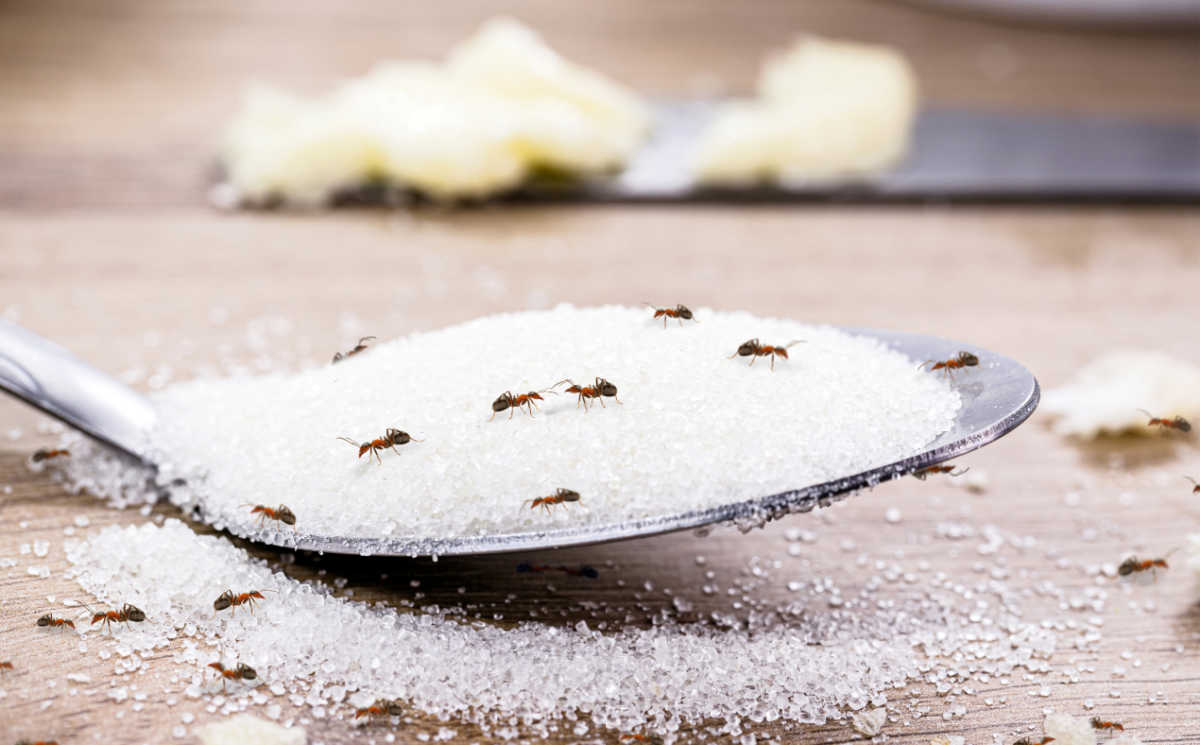
If you are looking for ideas to get rid of ants indoors, the most effective approach is to combine cleaning, disrupting their trails, and using targeted natural treatments.
Start by removing anything that attracts them:
- Wipe down counters and remove food residue
- Store food in sealed containers
- Clean up sugary spills immediately
Next, break the scent trails ants use to follow each other. This is where natural repellents become useful.
Finally, apply targeted remedies in areas where ants are entering or traveling, such as windowsills, door frames, and along baseboards.
These methods work best when used together rather than individually, especially for recurring ant problems.
Natural ant repellents that actually work
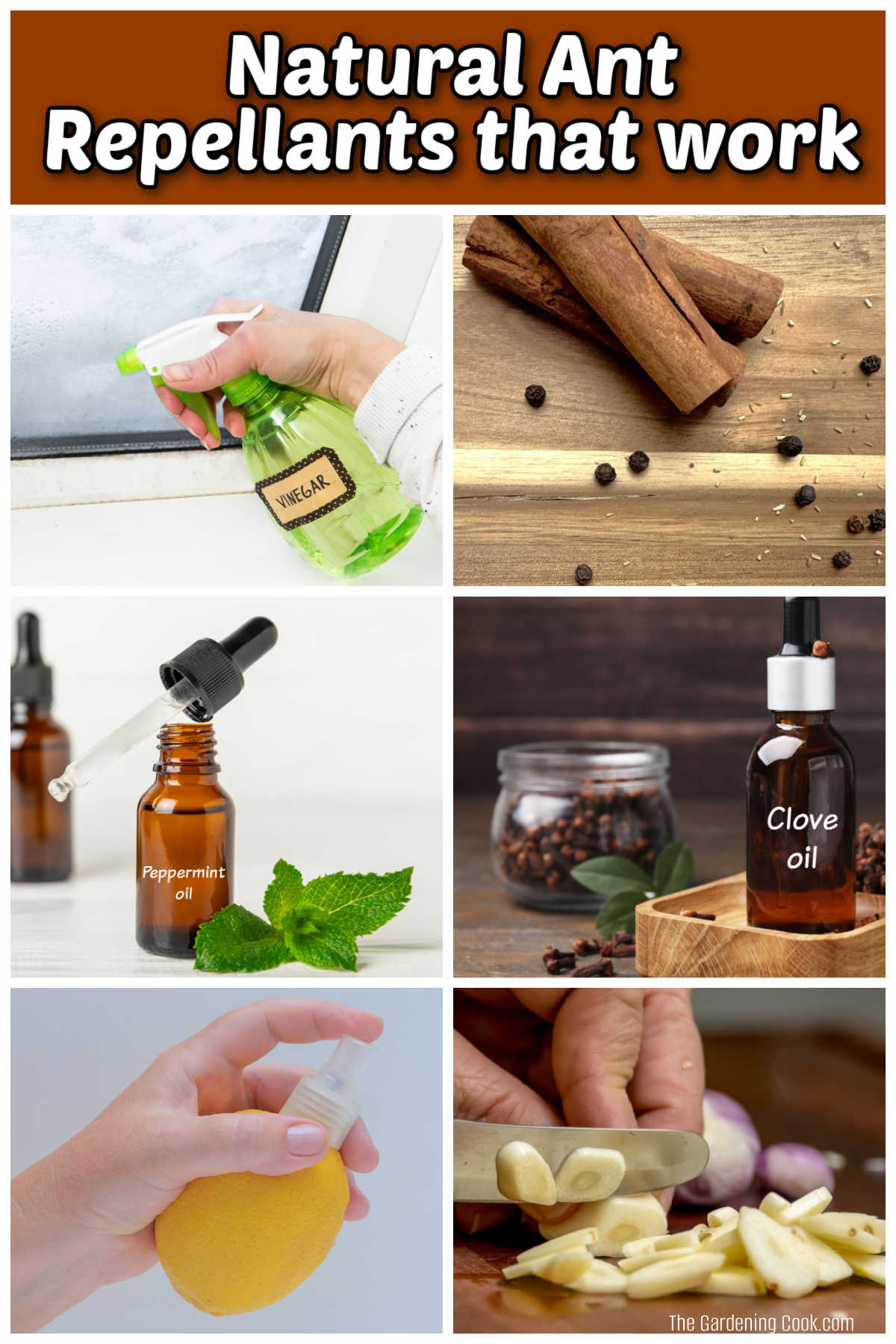
Natural ant repellents don’t kill ants directly. Instead, they disrupt the scent trails ants use to navigate, making your home less attractive and harder for them to travel through.
These methods are most effective for preventing ants from returning after you’ve already cleaned up food sources and blocked entry points.
The key to success is consistency. Repellents usually need to be reapplied until the ant trail is fully broken and the colony moves elsewhere.
Vinegar as a natural ant repellent
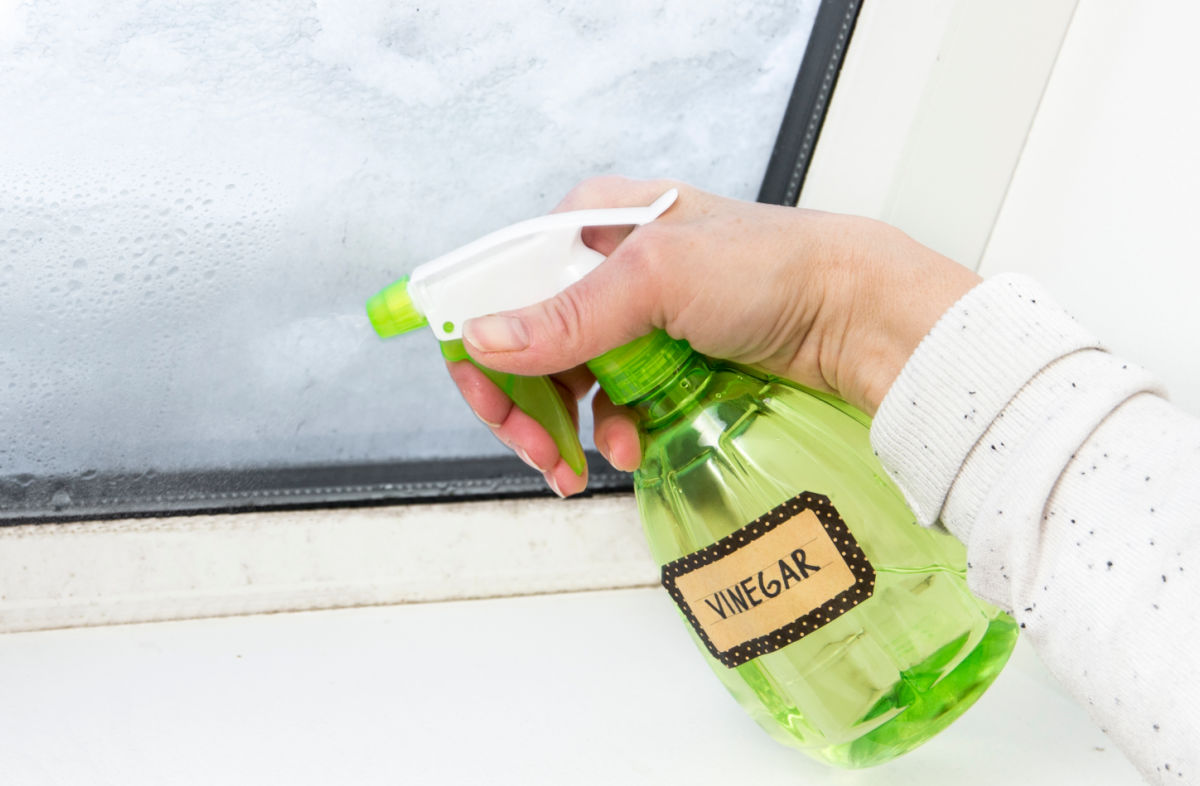
Vinegar works by masking the scent trails ants leave behind, which disrupts their ability to follow each other.
Use a 50/50 mix of vinegar (regular or apple cider) and water to clean:
- countertops
- door frames
- windowsills
- areas where ants are actively traveling
This vinegar ant repellent is especially useful for stopping recurring ant lines in kitchens while you address the source of the infestation.
Essential oils that repel ants
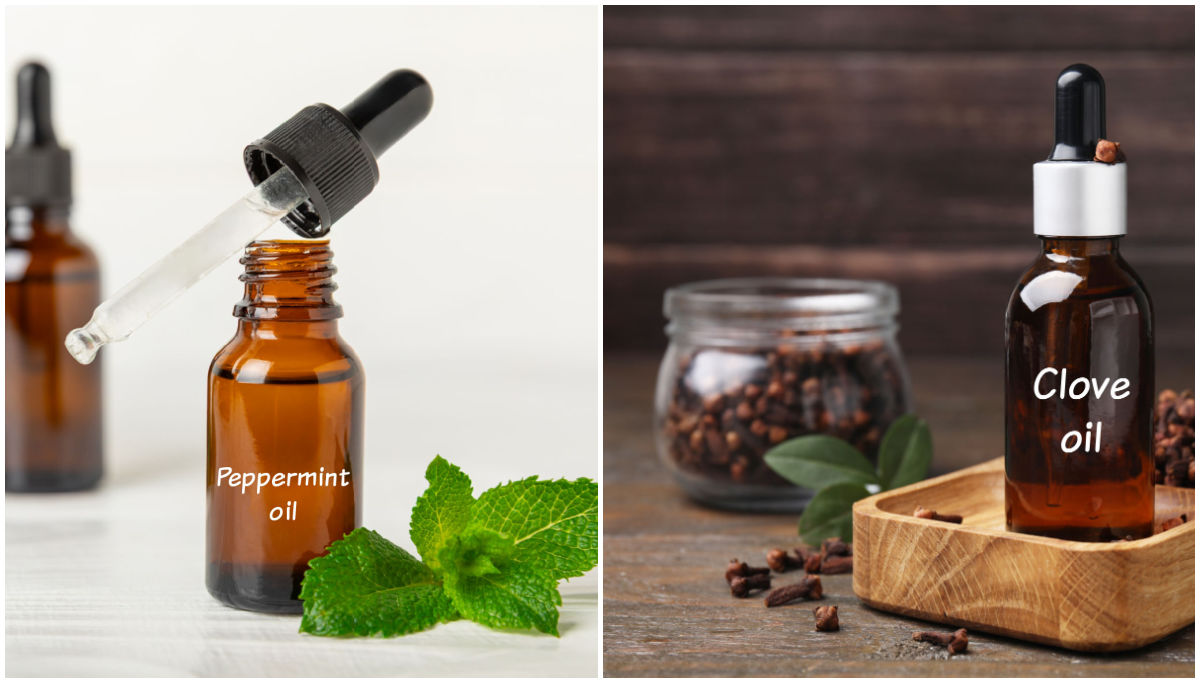
Certain essential oils are strong enough to interfere with an ant’s scent tracking. Peppermint oil and clove oil are the most commonly used.
Add a few drops of the essential oil to water in a spray bottle. You can also add the oils directly to cotton balls.
Spray or wipe on entry points such as:
- cracks near windows
- baseboards
- kitchen edges
These oils don’t kill ants, but they can make treated areas difficult for them to cross.
Cinnamon and black pepper as scent barriers
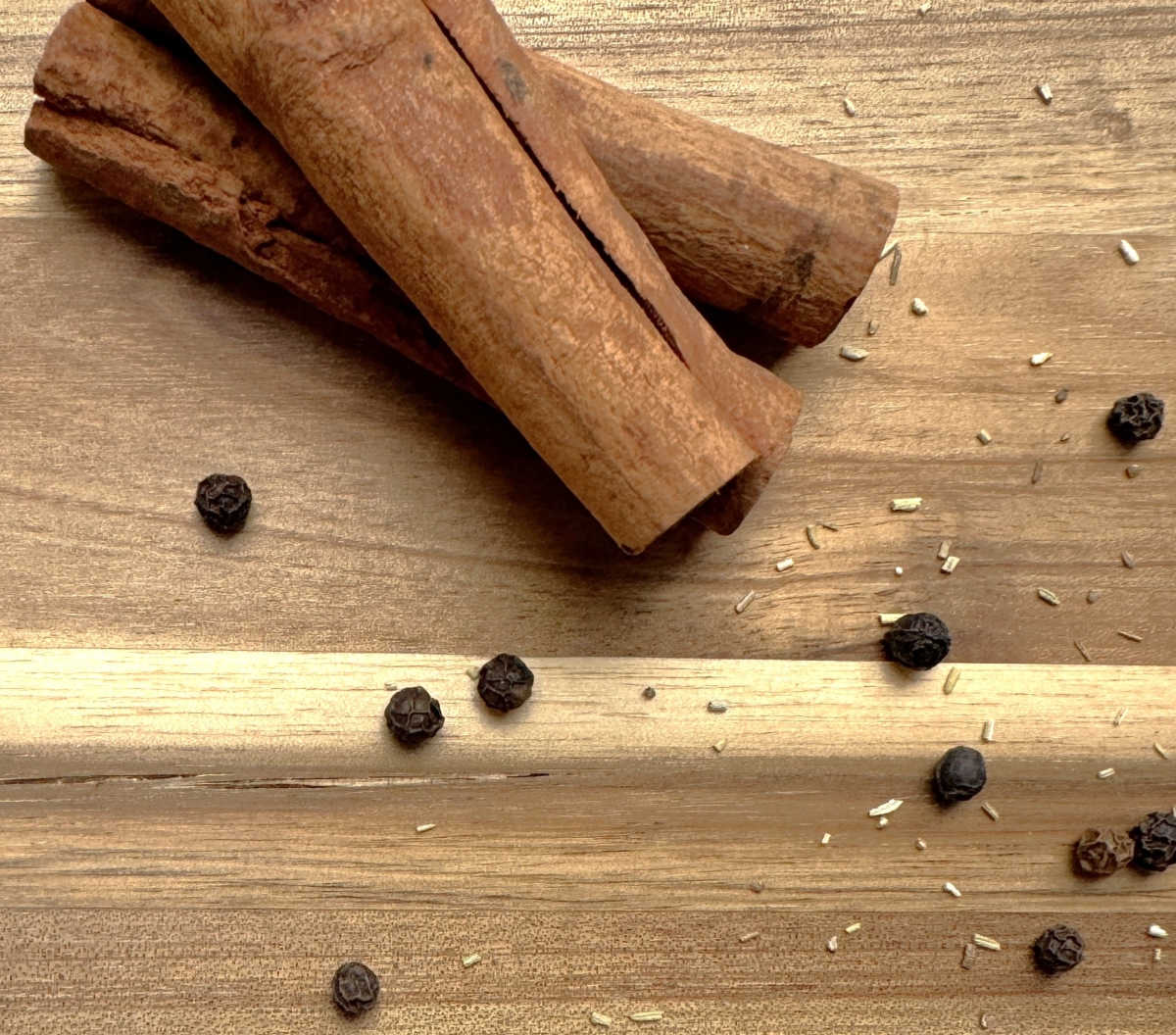
Strong-smelling spices like cinnamon and black pepper disrupt ant navigation and act as physical scent barriers.
Sprinkle a light line of either ingredient in these areas:
- door thresholds
- cabinet edges
- ant entry paths
These are best used in dry areas where the powder won’t be disturbed easily and are most effective when combined with cleaning and baiting.
Lemon juice and citrus barriers
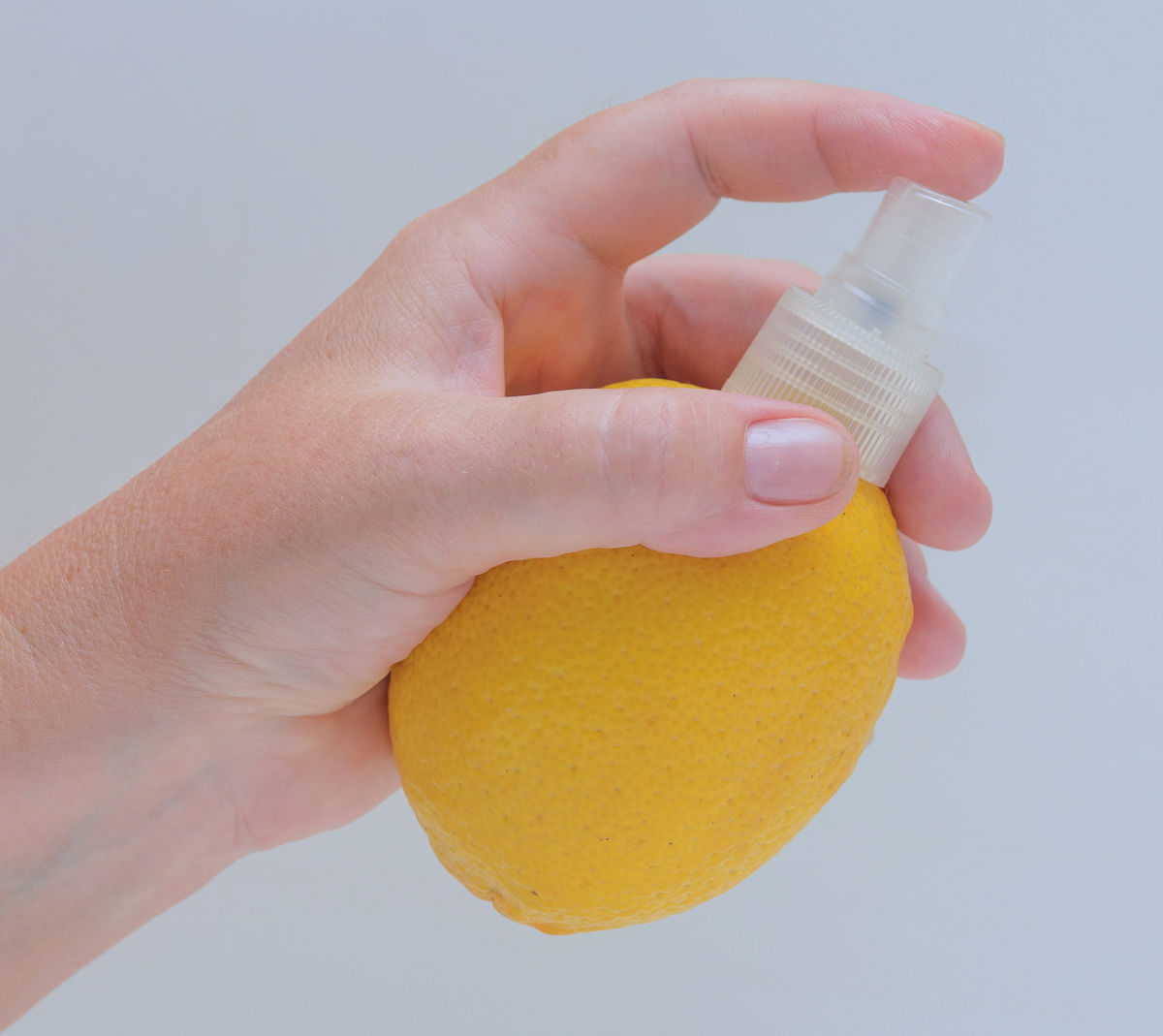
Lemon juice helps break scent trails while also creating an acidic barrier that ants tend to avoid.
Apply lemon juice directly along:
- door frames
- windowsills
- baseboards
This ant repellent natural barrier is most effective when used consistently over several days until all activity stops.
Garlic is a strong natural deterrent

Garlic produces a strong odor that many ants avoid.
Crushed or cut cloves can be placed near known ant trails or entry points.
This is more of a localized deterrent and works best in small problem areas rather than widespread infestations.
Note: Garlic will dry up over time and may need to be reapplied.
Some herbs are natural ant repellents
Several aromatic herbs repel ants because of their strong smell, which overwhelms the ants’ senses.
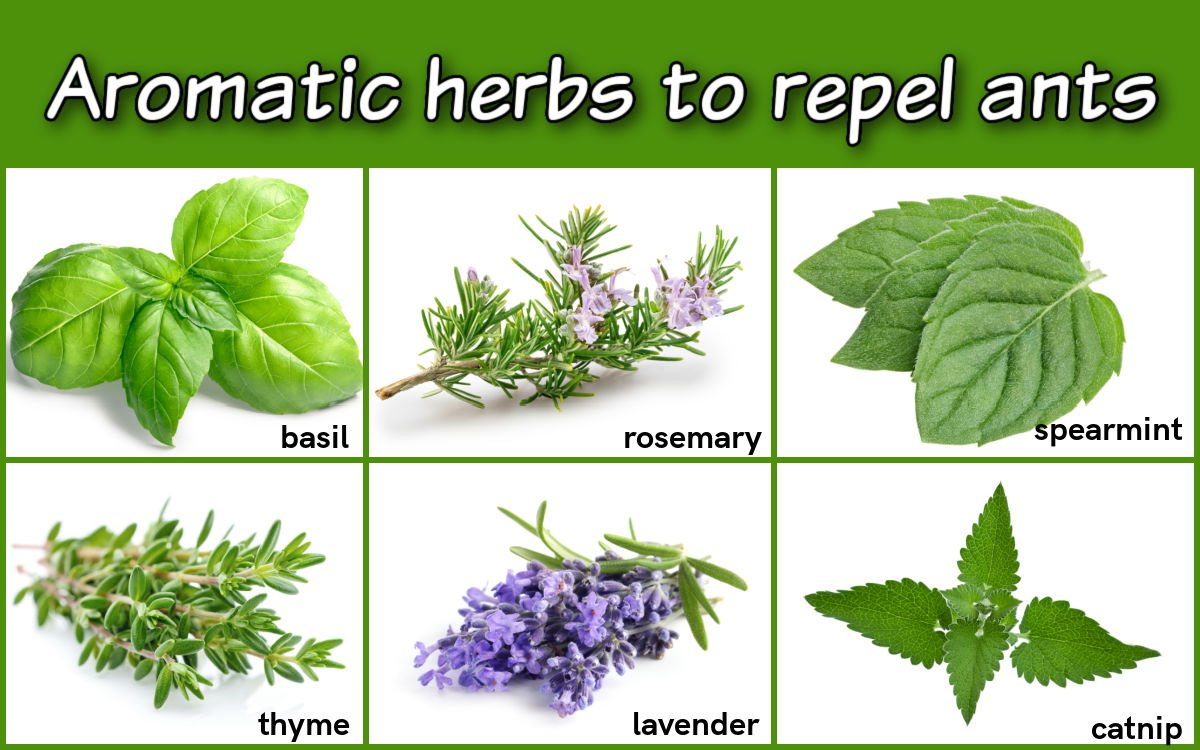
Place these herb plants near doorways, or in containers in the kitchen:
DIY home remedies to get rid of ants in the house
Home remedies for ants work in different ways depending on the method. Some disrupt scent trails and repel ants, while others use bait-based ingredients that the ants carry back to the colony.
For best results, home remedies should be used after cleaning up food sources and removing anything that attracts ants in the first place.
Below are some of the most commonly used natural home remedies to get rid of ants indoors.
Ant bait with baking soda and sugar ant bait
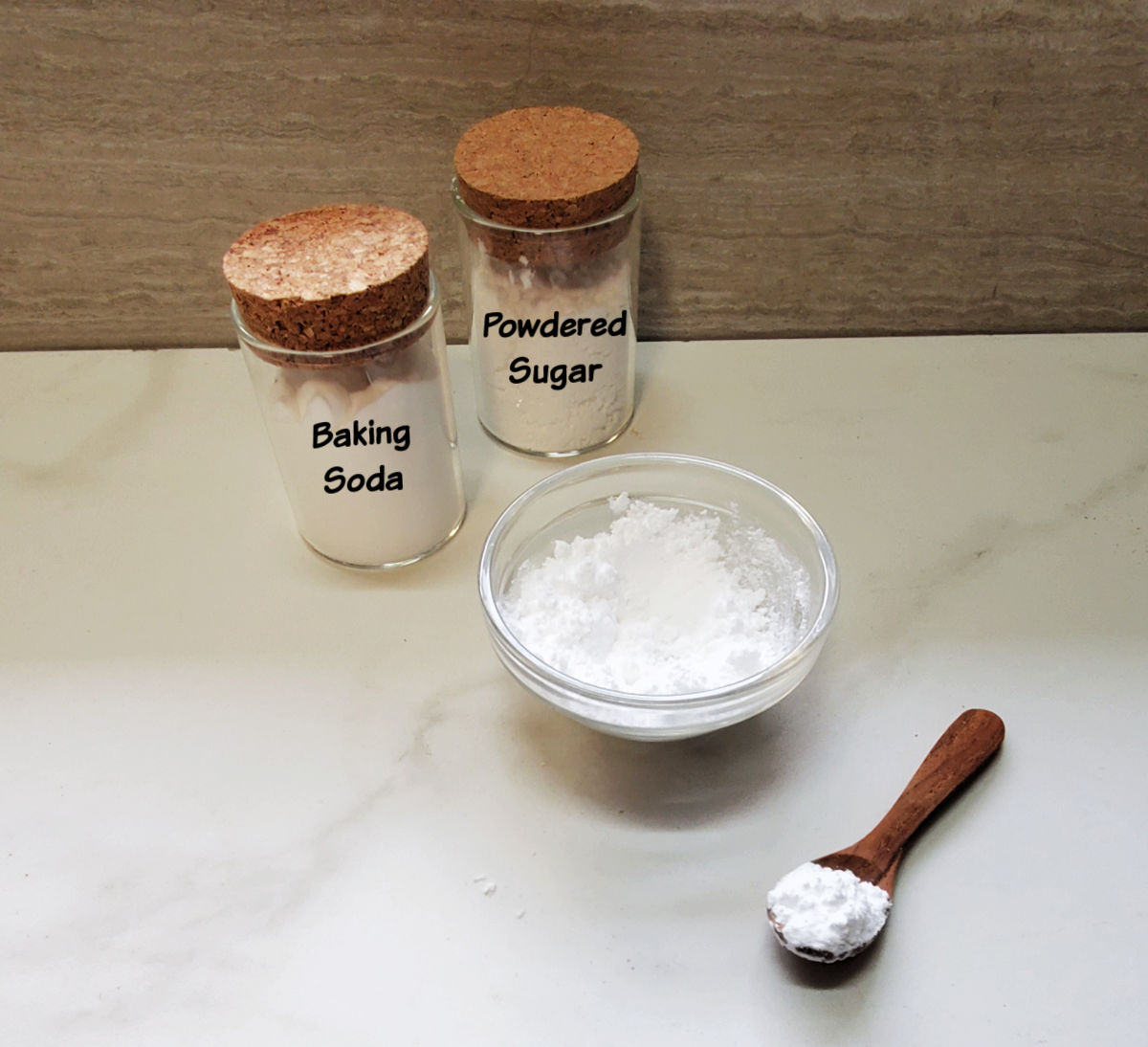
One of the most widely used home remedies for ants is a mixture of baking soda and sugar.
The sugar attracts ants, while the baking soda reacts internally and helps eliminate them over time when the ants take it back to their nest.
To use:
- Mix equal parts baking soda and powdered sugar
- Place small amounts near ant trails or entry points
- Reapply as needed until activity decreases
This method is most effective when ants are actively foraging indoors.
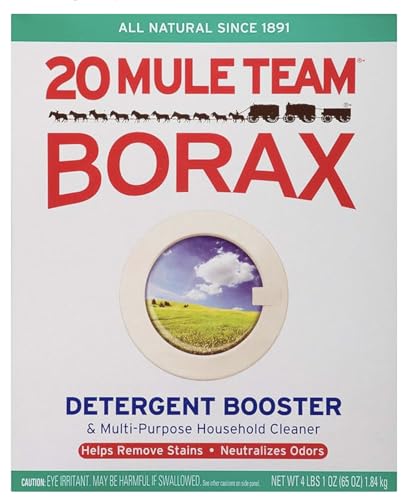
Borax-based ant bait (semi-natural option)
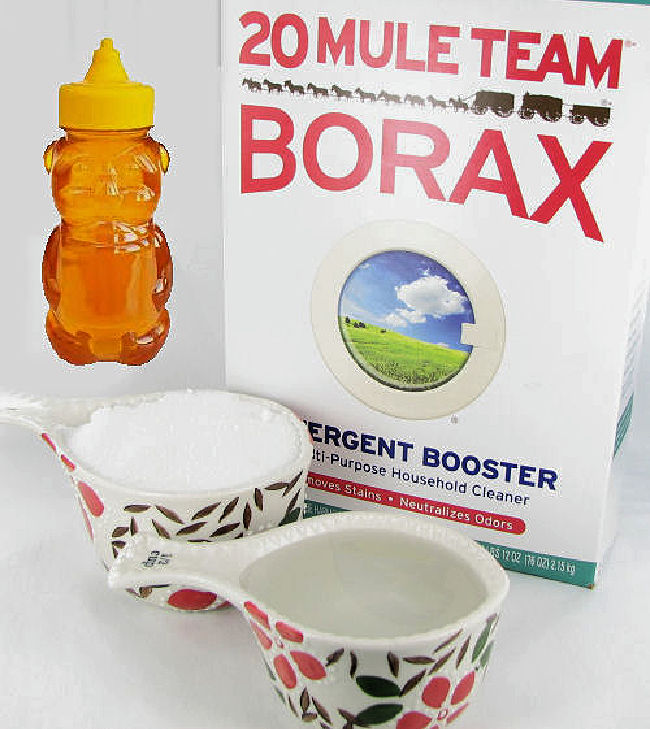
Borax is often used in home ant bait recipes because ants carry it back to the colony after ingestion.
The Borax ant bait:
- 2 parts Borax
- 2 parts sugar
- 1 part honey
- 1 cup of boiling water
Mix well and apply where ants are visible.
This method is typically more effective for larger or recurring infestations.
I tested several Borax ant killer home remedies to see which ones worked the best when compared to the retail brand Terro. See the Borax ant killer results here.
Important note: Use Borax carefully and keep it away from children and pets, since it is not fully non-toxic.
How to get rid of ants outside naturally (garden and yard)
Outdoor ants are usually less of a problem than indoor ones, but they can still become disruptive when they start nesting in garden beds, lawns, patios, or container plants.
The goal outside is different from indoors because you’re not just repelling ants, you’re reducing nesting areas and breaking up colonies without damaging your soil or plants.
Target ant trails in garden beds and walkways
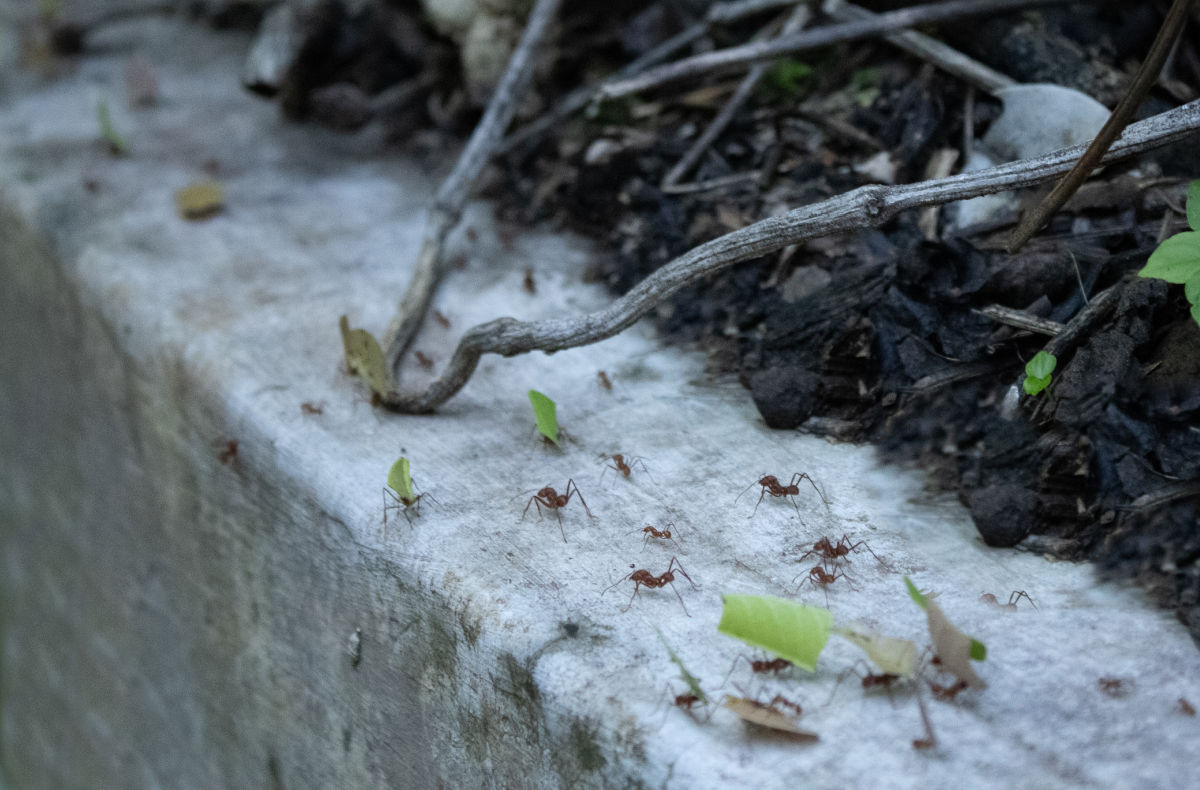
Ants rely on scent trails to move between food sources and their nests. In outdoor spaces, these trails often form along:
- Garden bed edges
- Paving stones and cracks
- Raised bed borders
- Patio seams
- Fences
A simple natural approach is to disrupt these trails consistently so ants lose their navigation pattern and relocate.
Use natural scent barriers around problem areas
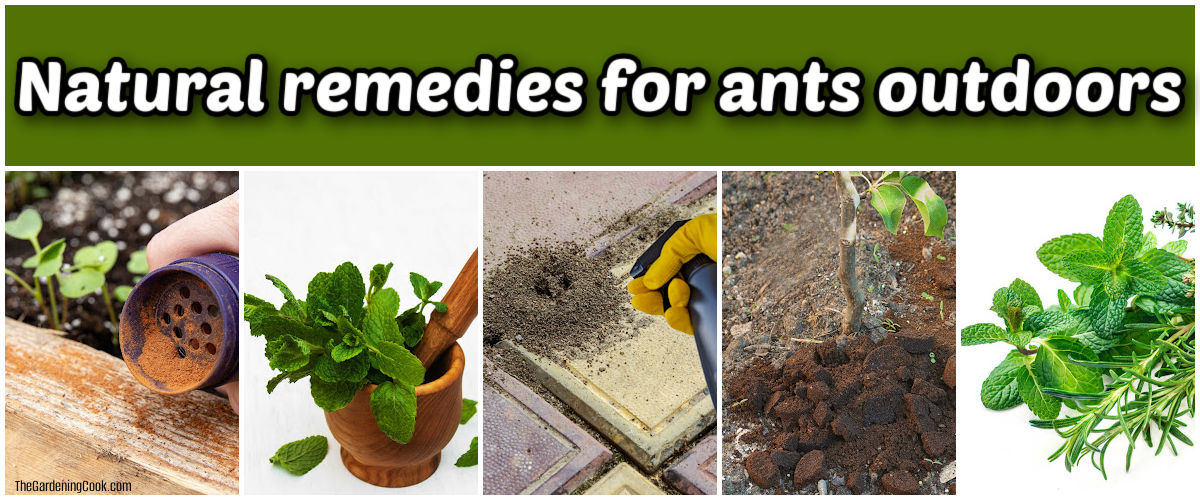
Strong natural scents can discourage ants from re-establishing trails in the same location. These work best as repeated perimeter treatments rather than one-time fixes.
Common garden-safe options include:
- Cinnamon sprinkled along entry points and bed edges
- Crushed peppermint or peppermint oil diluted in water
- Vinegar spray along hardscape cracks and pathways
- Coffee grounds are used as a light perimeter barrier in soil areas
- Strongly scented plants in areas where ants frequent
These don’t “kill” colonies, but they can reduce activity in high-traffic zones.
Reduce attractants in outdoor spaces
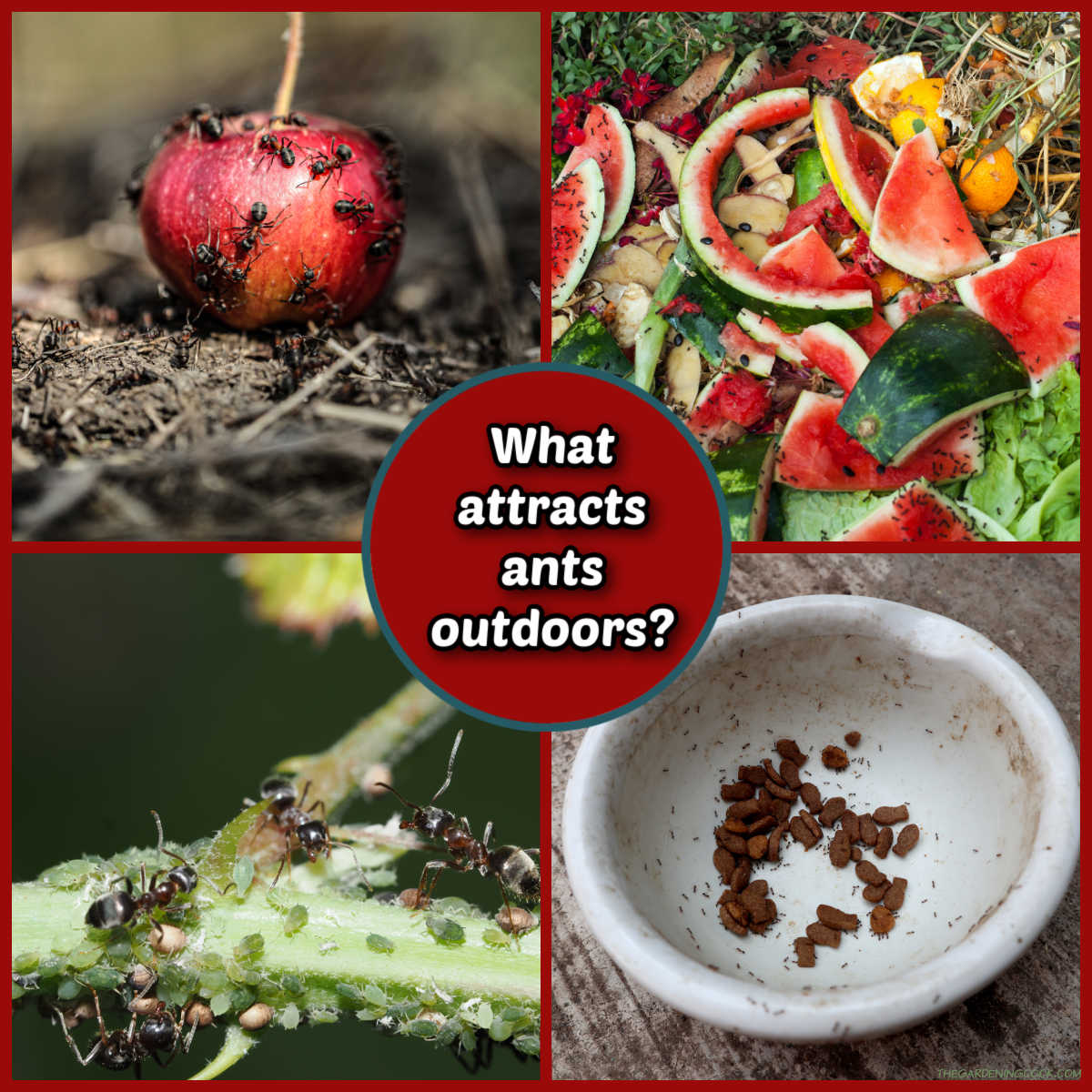
Ant control outdoors is often more about environmental management than treatment. Ants are drawn to:
- Sweet fallen fruit or berries
- Pet food left outside
- Sticky plant residues (like aphid honeydew)
- Open compost or organic debris piles
Cleaning up these sources reduces the reason ants establish long-term activity in the first place.
Treat nests naturally when needed
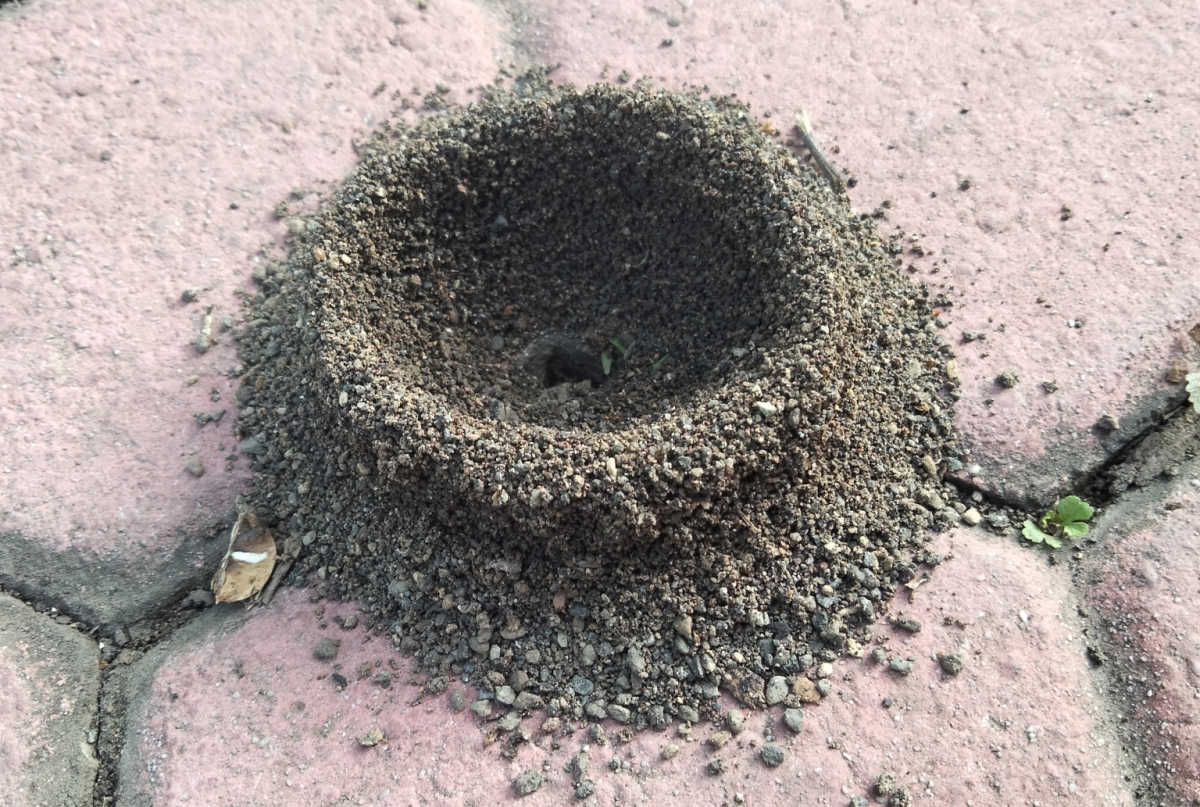
If you can locate a visible nest in soil, mulch, or under stones, a targeted treatment can help reduce the colony rather than just deterring surface activity.
Natural options used carefully include:
- Boiling water applied directly to visible nests (spot treatment only)
- Diatomaceous earth sprinkled around nest entrances in dry conditions
- Borax bait (used cautiously away from pollinators and pets)
For garden use, spot treatment is key. Blanket applications usually disrupt beneficial insects as well.
Keep long-term control by making the garden less inviting
Long-term outdoor control comes from consistency rather than one-time fixes:
- Keep mulch from building too thick against foundations
- Water evenly to avoid overly dry nesting zones
- Prune plants that create hidden protected soil pockets
- Monitor aphids on plants (they often indirectly “feed” ants)
Over time, this reduces the conditions ants prefer for establishing stable colonies.
Natural ant control checklist
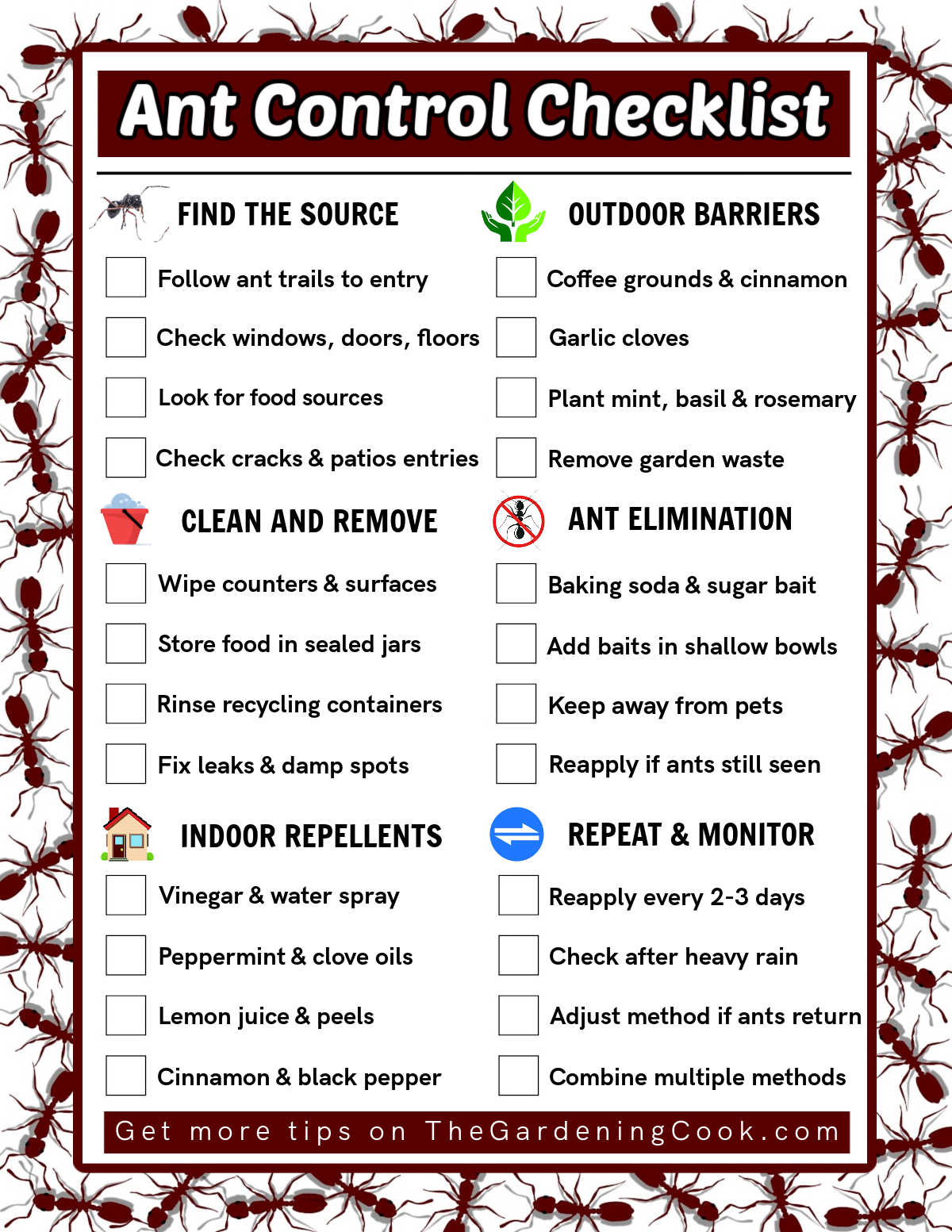
You can print the ant control checklist as high-resolution JPGs or PDFs by using the links below:
- Get the high-resolution controlling ants checklist (JPG)↗
- Get the PDF controlling ants checklist (PDF)↗
Printing instructions:
- Select portrait orientation and “fit to page” on your printer settings for a full-page printout.
- You can also print out the checklist from the project card at the bottom of this page. Scroll down to the card and press “print”.
Share these home remedies to get rid of ants on X
If you enjoyed this list of ant deterrent natural remedies, why not share this guide with a friend?
🐜 Ants showing up in your kitchen or garden? You don’t need harsh chemicals to deal with them. This natural ant control guide shares simple home remedies + outdoor deterrents that actually help reduce ant activity and keep them from… Share on XPin this guide to natural remedies for ants
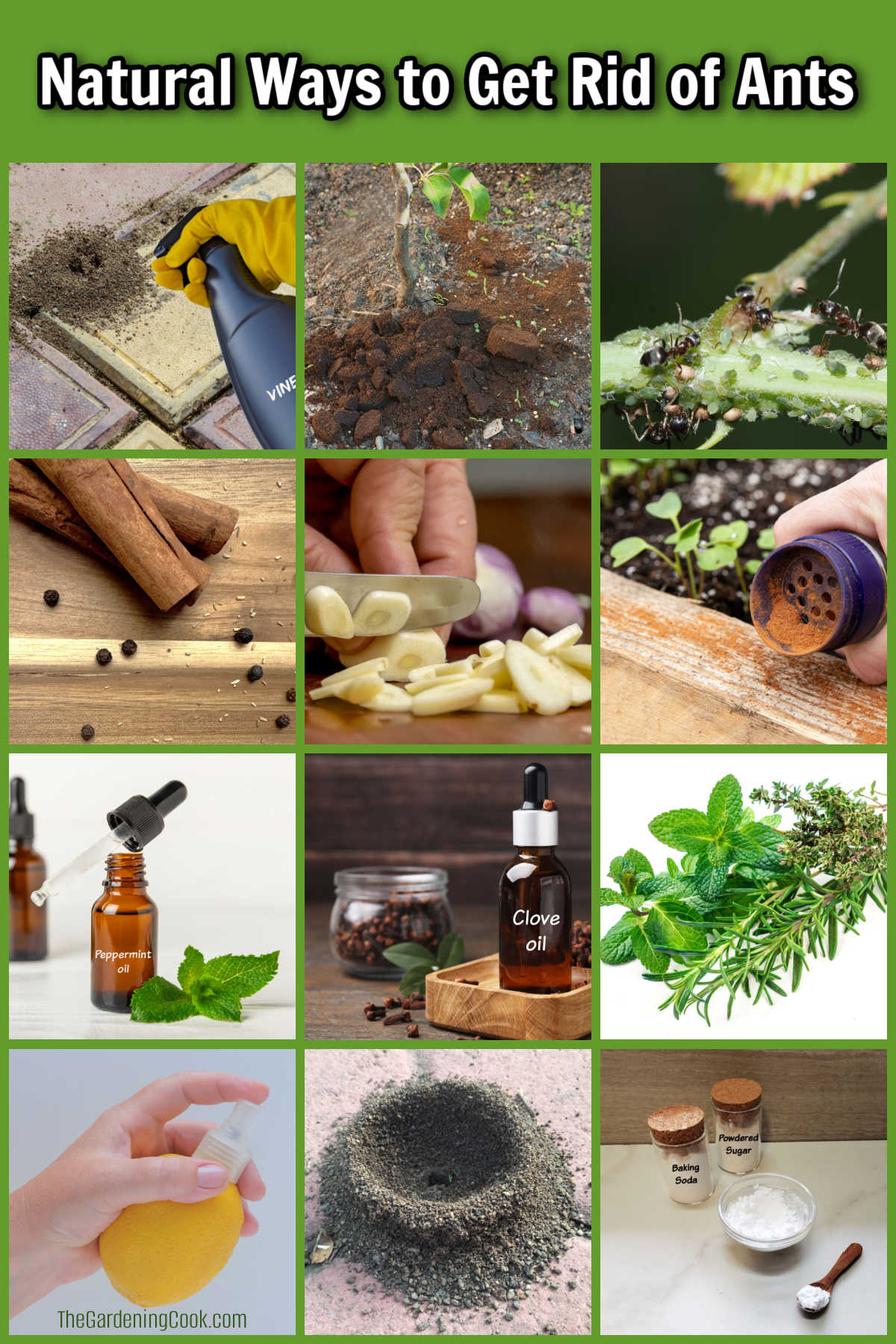
Would you like a reminder of this list of natural ways to get rid of ants indoors and outdoors? Pin this image to one of your gardening boards on Pinterest so that you can easily find it later.
Admin note: This article on the best way to get rid of ants naturally first appeared on the blog in March 2017. This post has been updated with new photos, a printable checklist for repelling ants, and a slideshow video about natural ways to get rid of ants.
Natural Ant Control Checklist
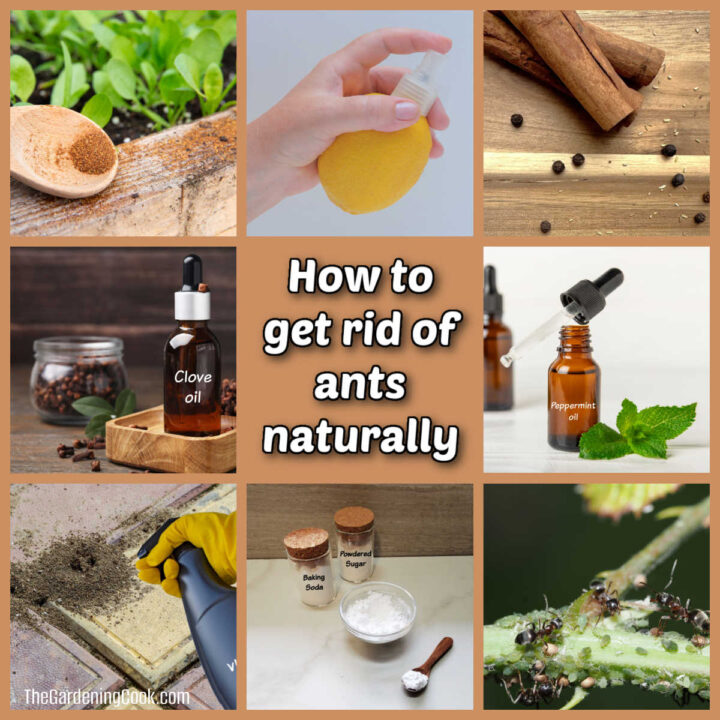
A simple printable checklist of natural indoor and outdoor methods to help you get rid of ants, deter them, and reduce activity around your home and garden.
Materials
- Compuer paper
Tools
- Computer
- Printer
Instructions
- Load your paper into your printer.
- Using the print function on this card will give you a natural ant control checklist printable that fills about ¾ of an 8.5 x 11-inch sheet of paper.
- Choose portrait layout and, if possible, "fit to page" (or 125%) in your settings.
- Prefer full-page printing? You can also print the checklist as a high-resolution file using your browser’s print feature: (PDF) | (JPG).
- Please note that creating free printables takes a long time. This checklist for controlling ants is for personal use only. If you are sharing it (and thank you for that!), please link directly to this post, rather than to the actual image. We appreciate your help in supporting the site.
- This checklist may not be used for any retail purpose or for mass distribution.
Notes
Recommended Products
As an Amazon Associate and member of other affiliate programs, I earn from qualifying purchases.


Rob H.
Monday 29th of August 2022
Icing sugar and baking soda/bicarbonate of soda mixed together in equal quantities scattered around the nest or at point of entry. The sugar will attract the ants and the baking soda will suffocate them. So this is what happens, the ants collect the mixture and take it back to the nest and the other ants feast on it and subsequently die and all without harming animals and children. Then if you manage to find the nest fill it with builders foam.
Shannon
Saturday 29th of September 2018
I have ants in my kitchen on the counter and there's no crumbs, so I don't understand why there running around
Michelle
Friday 24th of August 2018
Thank you for this! The last two mornings I've found a line of ants, including winged ones, around the kitchen sink. I knew about peppermint, but I'm out so I was searching pinterest and came across this blog. I'll be cleaning and making a spray today! Thank you.
Carol
Saturday 25th of August 2018
Hope it works well for you Michelle. Carol
Sharon
Tuesday 20th of March 2018
I've tried the borax w powdered sugar. NO help. Tried cinnamon NOPE. cayenne pepper... NADA. Peppermint Essence Oil some help but spring is just arriving. Indoor and OutdoorTerro no real help. Keeping counters and floors clean ants still come in. I found a group marching in and as much as I don't like chemicals I had no choice as they were in the joint between the wall and ceiling I used Ortho House Guard or something similar in name. It took a good dose to kill that platoon. I had a new roof put on. The roofer found a nest and left that part of the roof open for several hours (3-4 hours). When he returned they appeared to be gone. So far this week I've killed about a dozen. When I see a group large or small I use a long roller and with one swipe the majority are gone.
Carol
Tuesday 20th of March 2018
Hi Sharon. Lucky that the roofer found the nest before the new roof went on. Carol
Yolanda
Monday 17th of April 2017
Regarding mosquitoes, I planted lavender and rosemary plants ( which become bushes with proper care) right outside my front door. I just love the flowers and the smell of them. To my surprise, I've hardly had a mosquito come in my house in years. It turns out that both plants are natural mosquito repellents. You can also buy citronella plants and they too repel mosquitoes. These plants repel some other insects also. Too bad I don't know of any fly deterrents. But if I get one in the house I spray hairspray or Lysol on it. The stickiness and alcohol make them unable to fly and you can then get them out of your house with a paper towel.
Carol
Monday 17th of April 2017
Thanks for the suggestion Yolanda. I have rosemary planted on my patio and it does a great job of keeping the mosquitoes away. Carol