
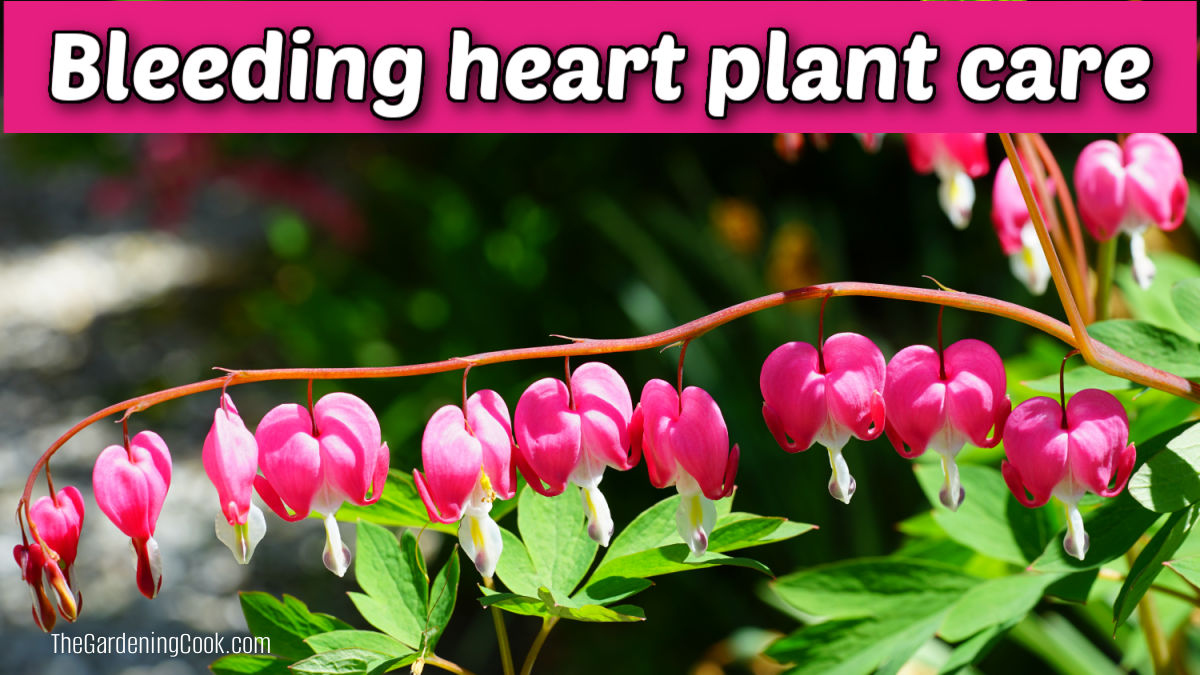
Bleeding heart plant care is easier than you might think. These elegant perennials (Lamprocapnos spectabilis) bring a touch of romance to a shaded cottage garden with their heart-shaped flowers and delicate, lacy leaves.
Would you like to enjoy their blooms year after year? This guide will show you how to choose the right varieties, care for their leaves and flowers, and keep your plants healthy from spring through fall.
Keep reading to learn planting and propagation tips, how to handle pests, and explore stunning bleeding heart flower photos to inspire your garden design.
Some of the links below are affiliate links. I earn a small commission, at no additional cost to you, if you purchase through an affiliate link.
Bleeding heart plant care overview
Here is a quick guide to the care of bleeding hearts:
- Common names: Bleeding Heart, Asian Bleeding Heart, Japanese Bleeding Heart, Old-Fashioned Bleeding Heart, Locks and Keys
- Botanical name: Lamprocapnos spectabilis (formerly known as Dicentra spectabilis)
- Family: Papaveraceae (poppy)
- Plant type: Perennial
- Sunlight needs: Partial to full shade
- Soil requirements: Rich, well-draining soil
- Watering needs: Consistent moisture (1 inch – 2.54 cm a week)
- Mature size: 1 to 3 feet (30-90 cm) tall and wide
- Bloom time: Early spring
- Flower color: Classic pink and white to white, pink, red, purple, and yellow
- Fertilizing needs: Slow-release fertilizer in spring
- Temperature needs: 55-75°F (13-24°C)
- Humidity requirements: Moderate to high humidity
- Hardiness zones: USDA zones 3-9
- Toxicity: Toxic to humans and pets, if ingested
- Native habitat: Far East
Bleeding heart flowers – colors, shape, and bloom time
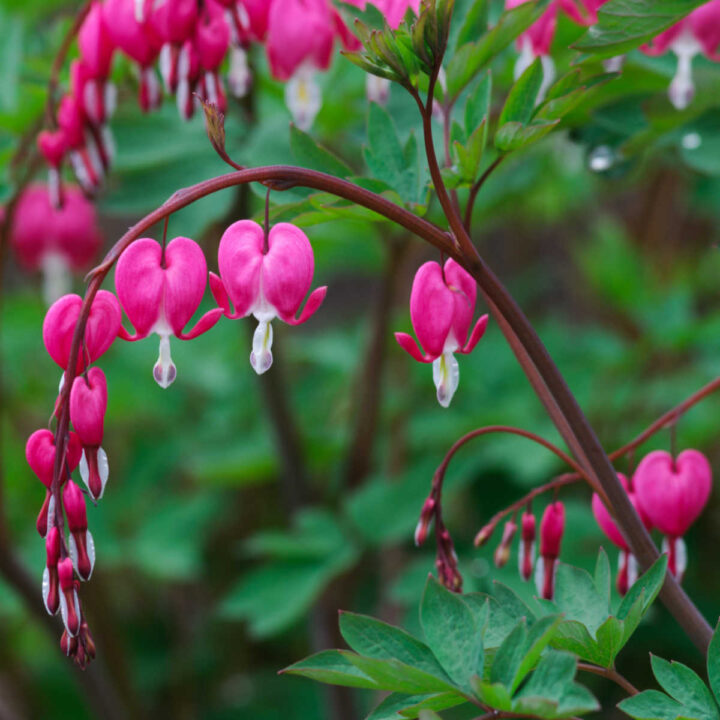
The flowers of bleeding heart are, as the name suggests, heart-shaped.
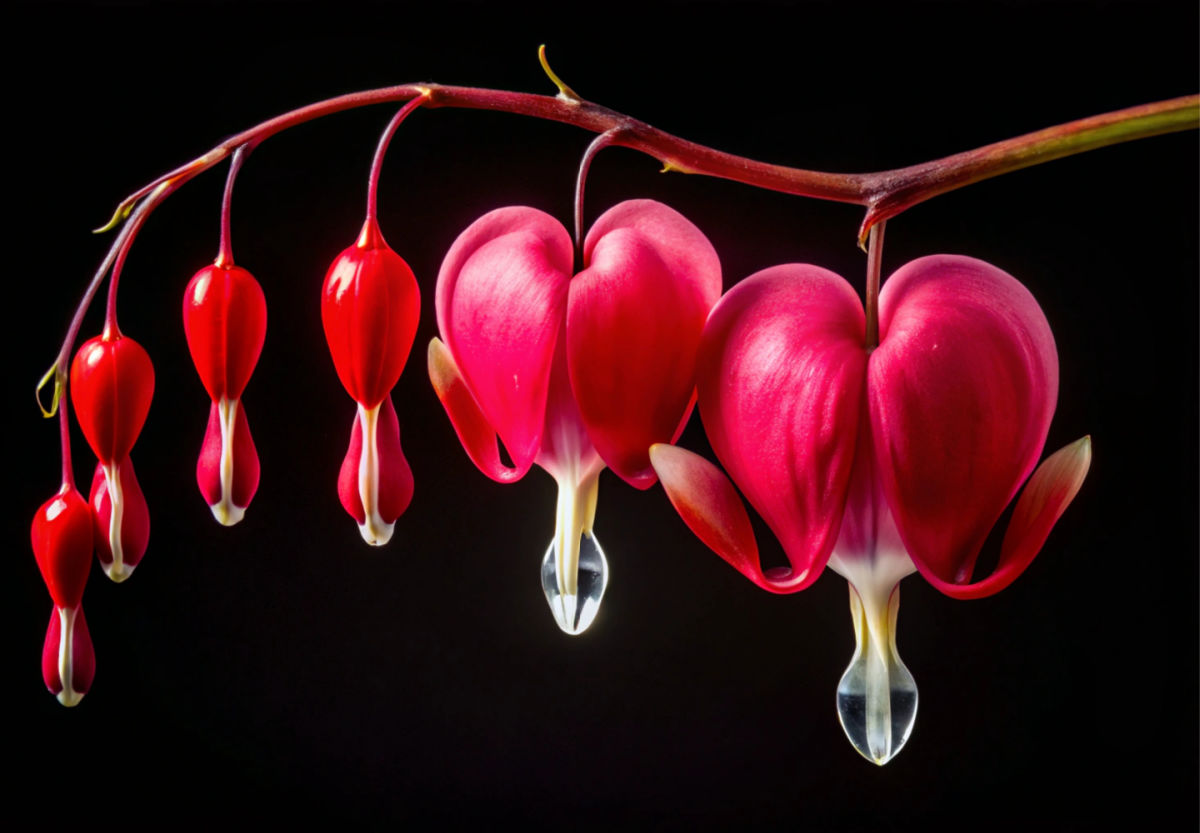
- The flowers grow on long stems, and their weight causes the arching branches, creating a dramatic cascading effect.
- Each bloom has a signature “bleeding” detail, with small inner petals looking like drops beneath the heart shape.
- Colors range from the typical pink to white, red, purple, and even yellow. Bi-colored versions with white drops are common.
- Blooms arrive in late winter or early spring and last 6 weeks or more in cool conditions.
Bleeding heart leaves and foliage
The leaves of Lamprocapnos spectabilis plants have a soft, lacy texture that resembles fern foliage, forming a graceful, mounded clump.

- During spring and early summer, the foliage is fresh, green, and delicate.
- As summer heat arrives, leaves turn yellow, and the plant goes naturally dormant until the following spring.
- Some bleeding heart varieties have unusual leaf colors and patterns, including fringed edges and shades ranging from silver-blue to yellow-green.
Fringe-leaf vs fern-leaf bleeding hearts
Some plants commonly called bleeding hearts have finely divided foliage and a much longer blooming season. These species differ from Lamprocapnos spectabilis and do not go fully dormant in summer.
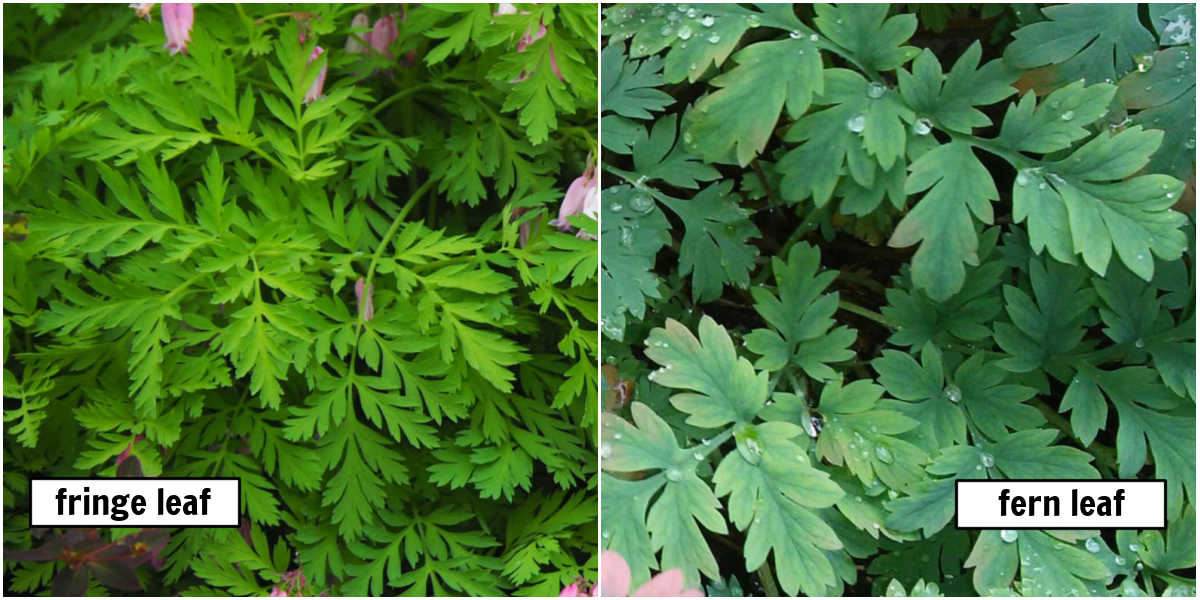
- Fringe-leaf bleeding heart (Dicentra exima) is native to the Appalachian Mountains of the eastern United States.
- Fern-leaf bleeding heart (Dicentra formosa) is native to the Pacific Coast of North America.
- The fringe-leaf types are slightly more heat-tolerant.
- The fern-leaf varieties prefer cooler, shady conditions.
- They bloom from spring to fall, and keep the foliage longer than Lamprocapnos spectabilis.
Lamprocapnos spectabilis mature size and growth habit
Bleeding hearts can grow quite large, so they need plenty of room to spread.
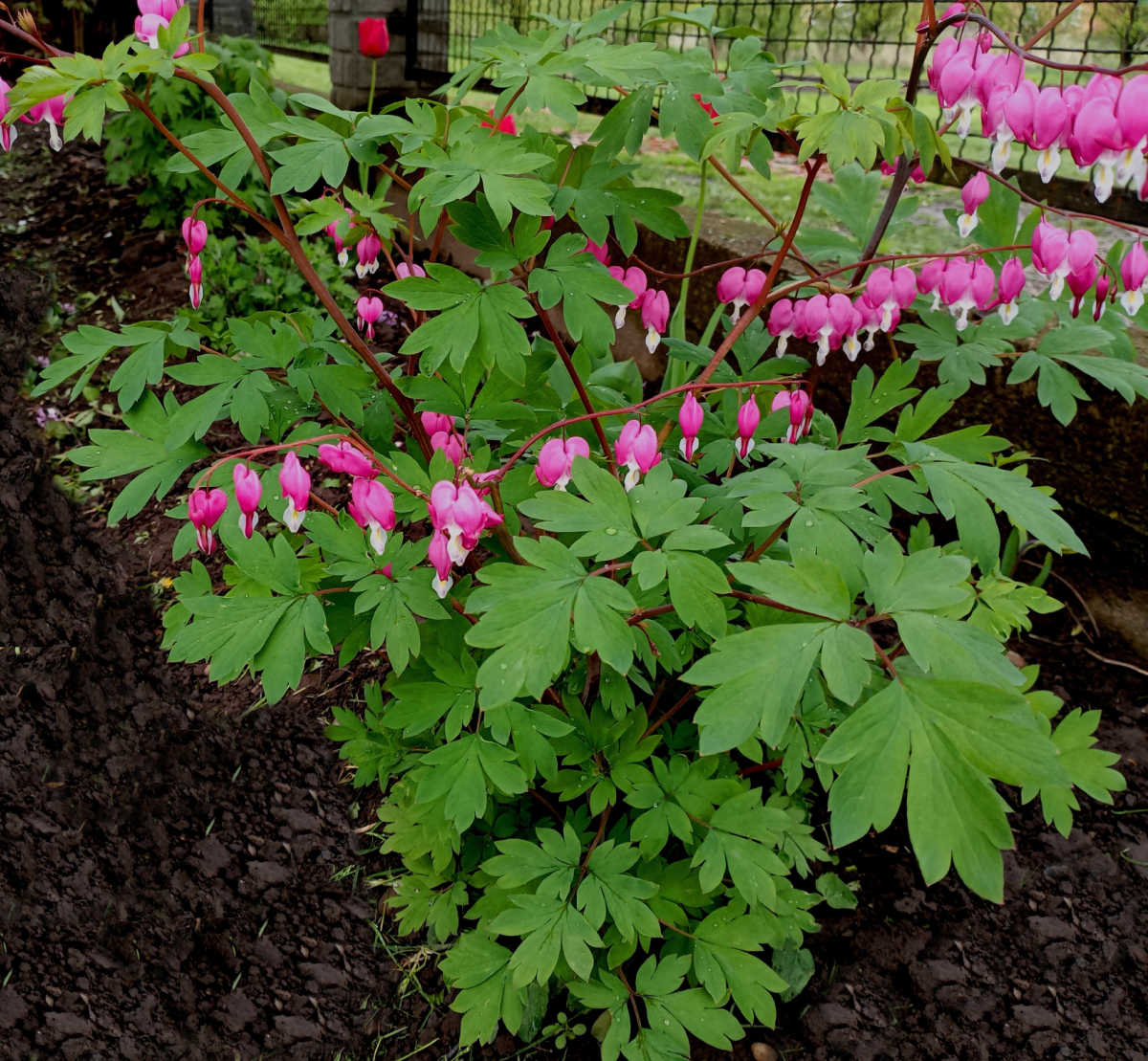
- Typically, mature plants grow to 3 feet tall (90 cm) and wide. Some varieties can grow up to 4 feet (120 cm) in size.
- When planting, space them 2-3 feet apart (60-90 cm).
- It takes 2 to 5 years for the plant to reach its mature size.
- Bleeding hearts have a rounded growth habit, forming large clumps.
Bleeding heart varieties
There are several varieties of bleeding heart plants. Their flower color, size, and leaf shape can vary. Some common varieties are:
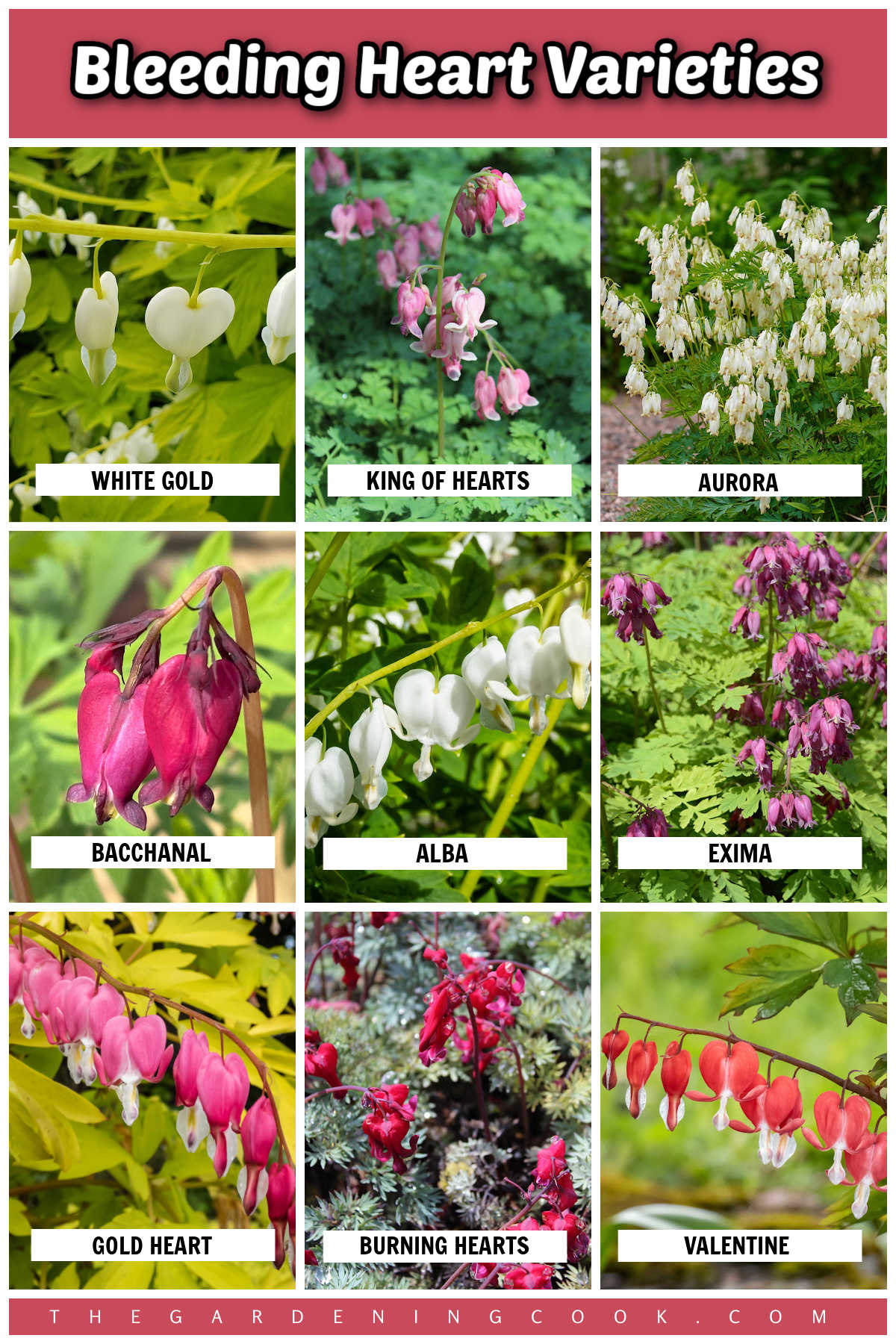
- ‘White Gold’: Yellow-green leaves with white flowers.
- ‘King of Hearts’: Blue-green leaves with rose-pink flowers.
- ‘Aurora’: Silvery-blue foliage and white flowers.
- ‘Bacchanal’: Silver-blue leaves with wine-red flowers.
- ‘Alba’: Light green foliage and pure white flowers.
- ‘Exima’: Dissected gray-green foliage and pinkish-purple flowers. (Does not go dormant with adequate moisture!)
- ‘Gold Heart’: Bright, golden-yellow foliage with pink and white flowers
- ‘Burning Hearts’: Blue-green leaves with magenta flowers.
- ‘Valentine’: Reddish stems with deep green foliage and scarlet red flowers.
How to grow bleeding hearts
Now that you know how pretty their blooms and foliage are, here are tips for growing them successfully.
Sunlight and soil needs
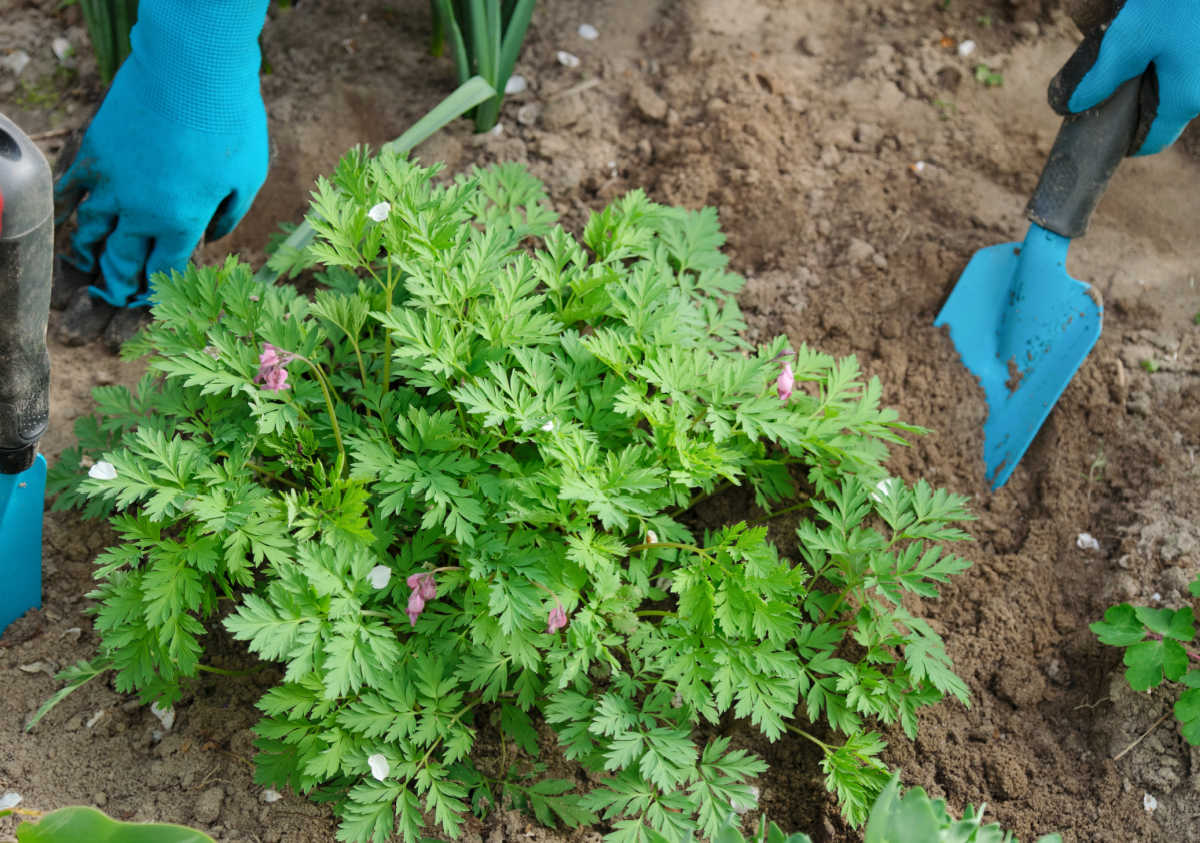
- Bleeding hearts thrive in partial to full shade — morning sun with afternoon shade is ideal.
- They prefer rich, well-draining soil with plenty of organic matter.
- Keep soil consistently moist, but avoid waterlogging.
Planting and spacing
- Plant rhizomes or young plants in early spring or fall.
- A sturdy hand trowel makes digging holes and dividing clumps much easier, especially in rich garden soil.
- Space plants 2-3 feet apart to allow for mature size and good air circulation.
- Group in clusters for the most striking garden display.
Water and fertilizing requirements
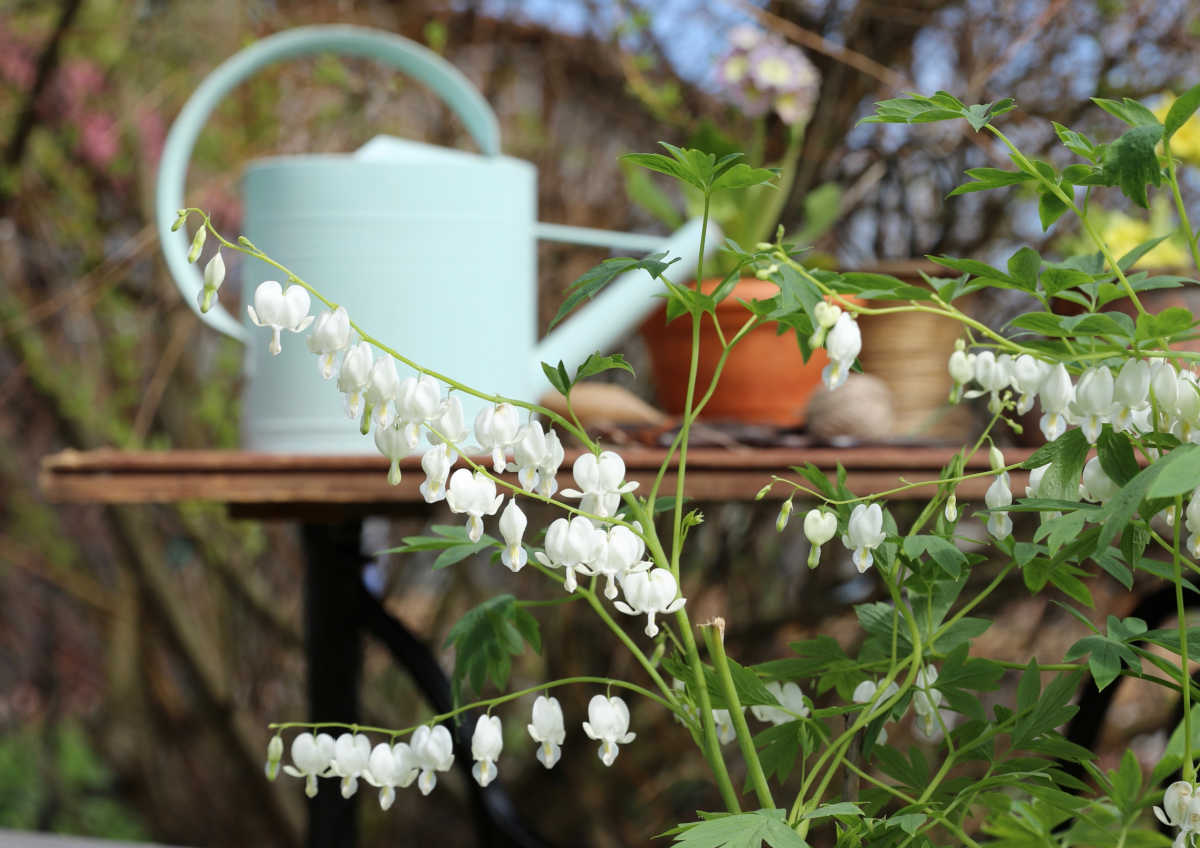
- Water regularly, especially during dry spells, to keep the soil evenly moist.
- Apply a slow-release fertilizer in early spring as new growth begins.
- Mulching helps retain moisture and regulate soil temperature.
- A simple soil moisture meter can help you avoid overwatering.
Pruning tips for bleeding hearts
- Deadheading is not required, but can be done to prevent self-seeding.
- Cut the yellowing foliage back to the ground in mid-to late summer after the plant becomes dormant.
How to propagate bleeding heart plants
Bleeding hearts propagation is done with stem cuttings, division, and seed.
- Root stem cuttings in early spring or early fall.
- Divide the clumps every 3–4 years in early spring or after flowering.
- Bleeding heart plants readily self-seed if not pruned after flowering.
- Propagation from seed requires a longer time before flowering.
Bleeding heart pests and problems
Lamprocapnos spectabilis is generally problem-free. Watch for these issues:
- Yellow leaves before dormancy indicate that the plant is getting too much water.
- Aphids can sometimes be a problem for bleeding heart plants. Remove them if found, or treat with a horticultural soap.
- If slugs and snails are a problem in your garden, use a pet-safe slug control product to help protect tender bleeding heart foliage.
- Leaf spot and mildew can be problematic.
- Ensure good soil drainage to prevent root rot.
Bleeding heart companion plants
Since bleeding hearts go dormant in the summer, this can leave gaps in your garden. Growing it with other shade-loving plants that stay green all summer long is the answer.

Some popular companions for bleeding heart plants:
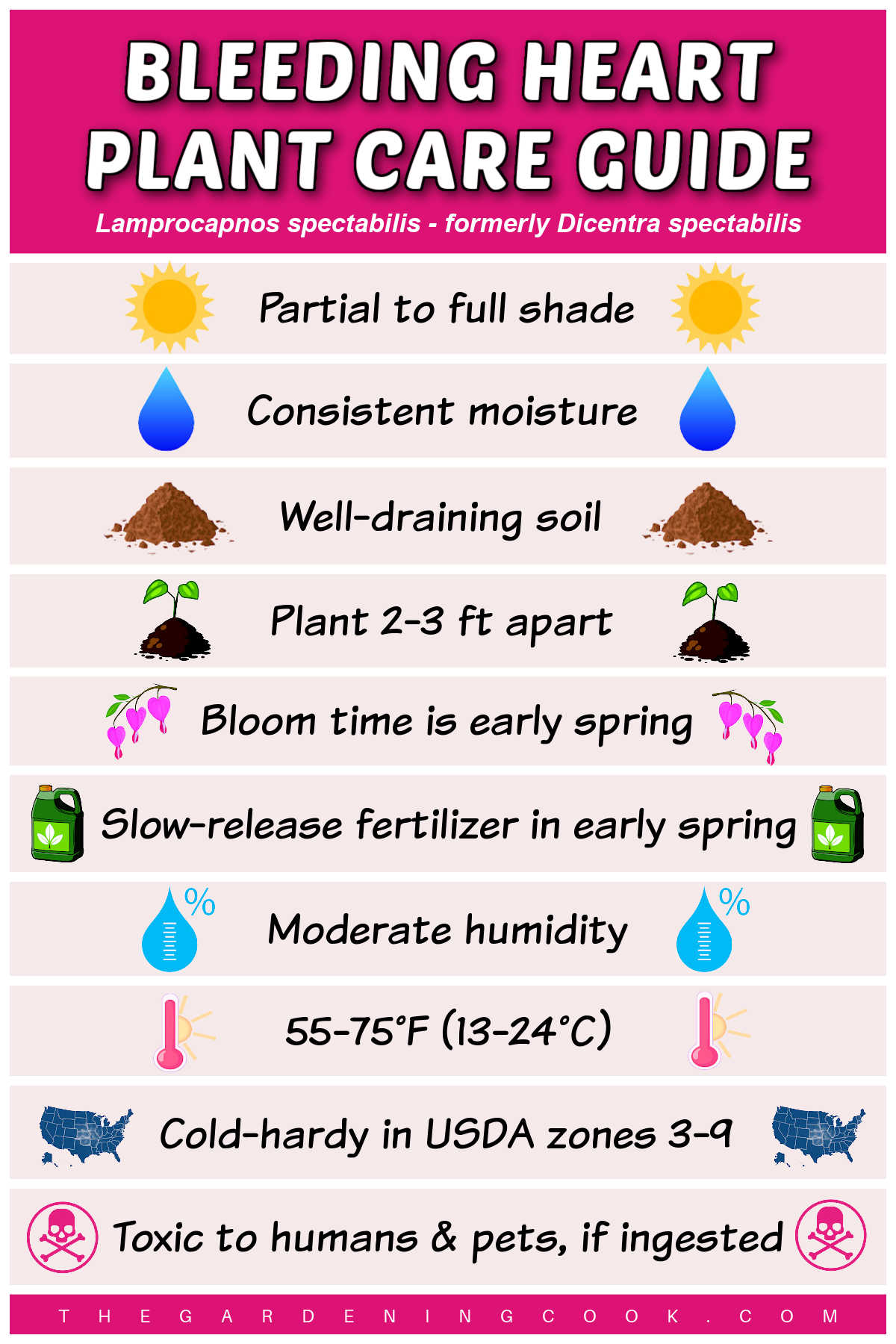
Get the free bleeding heart plant care printable
You can print this handy, at-a-glance care guide in high-resolution JPG or PDF formats using the links below:
Frequently asked questions about bleeding heart plants
Here are answers to common questions gardeners have about Bleeding Hearts (Lamprocapnos spectabilis):
Are bleeding heart plants toxic? Yes, all parts of the plant are toxic if ingested, according to Pet Poison Hotline, so keep them away from pets and children.
Are there blue bleeding heart flowers? No true blue varieties exist. What some sellers call “blue bleeding heart” is usually Corydalis elata, also known as false blue bleeding heart.
Do bleeding hearts attract butterflies? While they aren’t a major butterfly magnet, their nectar may attract a few pollinators, including butterflies and bees.
Are bleeding hearts deer-resistant? Generally, yes. Deer tend to avoid the foliage and flowers.
How cold-hardy are bleeding hearts? Bleeding hearts are hardy in USDA zones 3–9, depending on the variety. Mulch for winter protection.
Do bleeding heart plants come back every year? Yes, they are perennial plants. The above-ground foliage dies back in summer heat, but the roots emerge again in spring.
Can you grow bleeding hearts in pots? Yes, choose a large container with well-draining soil and place it in partial to full shade for best results.
Do bleeding hearts spread? Yes, but gently. Lamprocapnos spectabilis spreads via underground rhizomes over time, forming charming clumps without taking over your garden.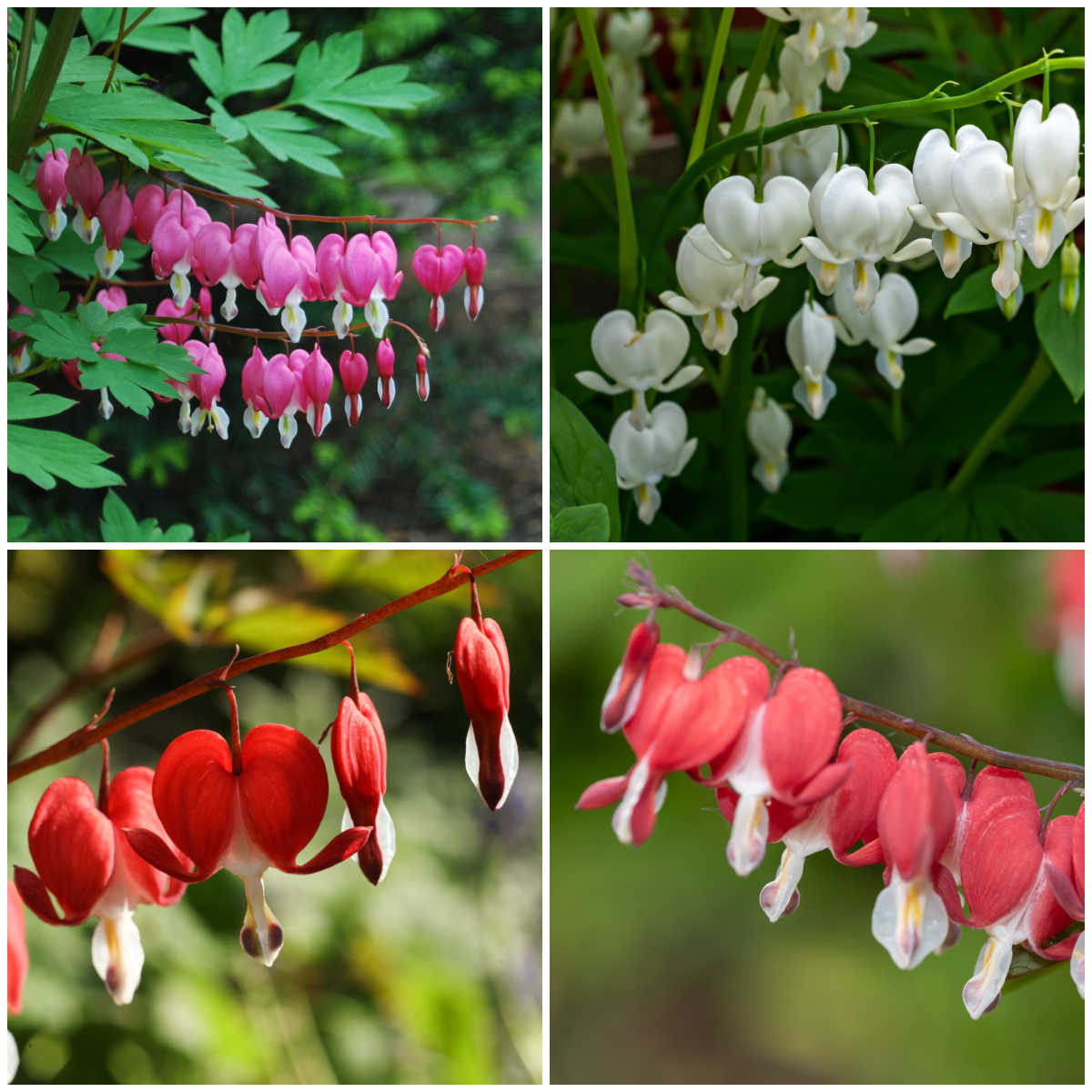
More Garden Inspiration
Explore these posts to add color, charm, and shade-friendly plants to your garden.
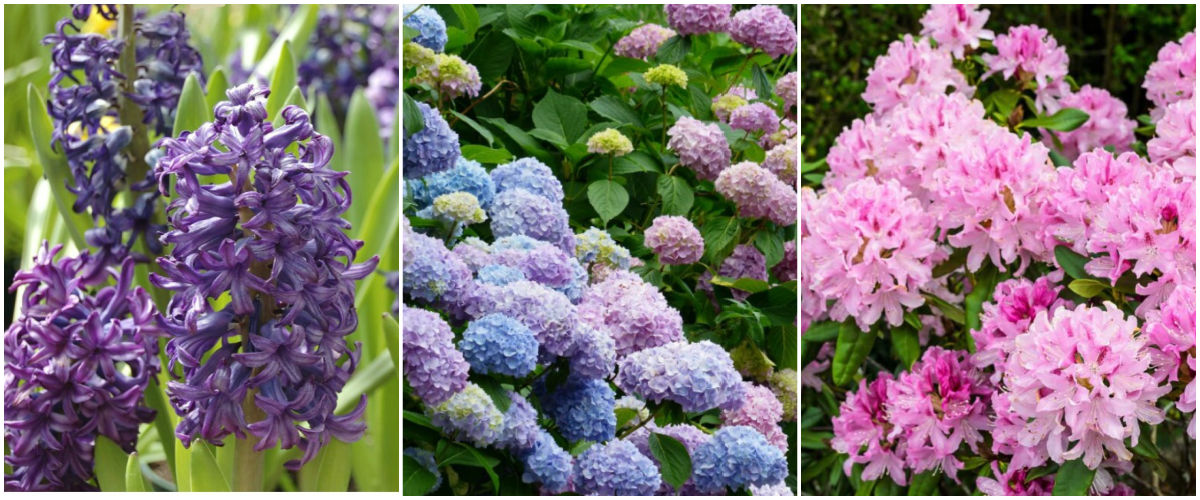
- Spring Flowering Plants – Bring color and life to your garden this season with easy-to-grow, vibrant spring blooms.
- Flowers for Cottage Gardens – Create the charming, whimsical look of a classic cottage garden with blooms that delight all season.
- Plants for Shade Gardens – Discover shade-loving perennials that thrive in low-light areas, perfect companions for your bleeding hearts.
Share this guide to bleeding heart plants on X
If you enjoyed learning about Lamprocapnos spectabilis, why not share this guide with a friend?
💖 Ever wonder why Bleeding Heart plants are called that? 🌿 Head to The Gardening Cook to learn about their heart-shaped blooms, leaf varieties, and easy care tips for a stunning shaded garden! #BleedingHeart #GardeningTips… Share on XPin this post for bleeding heart plant care
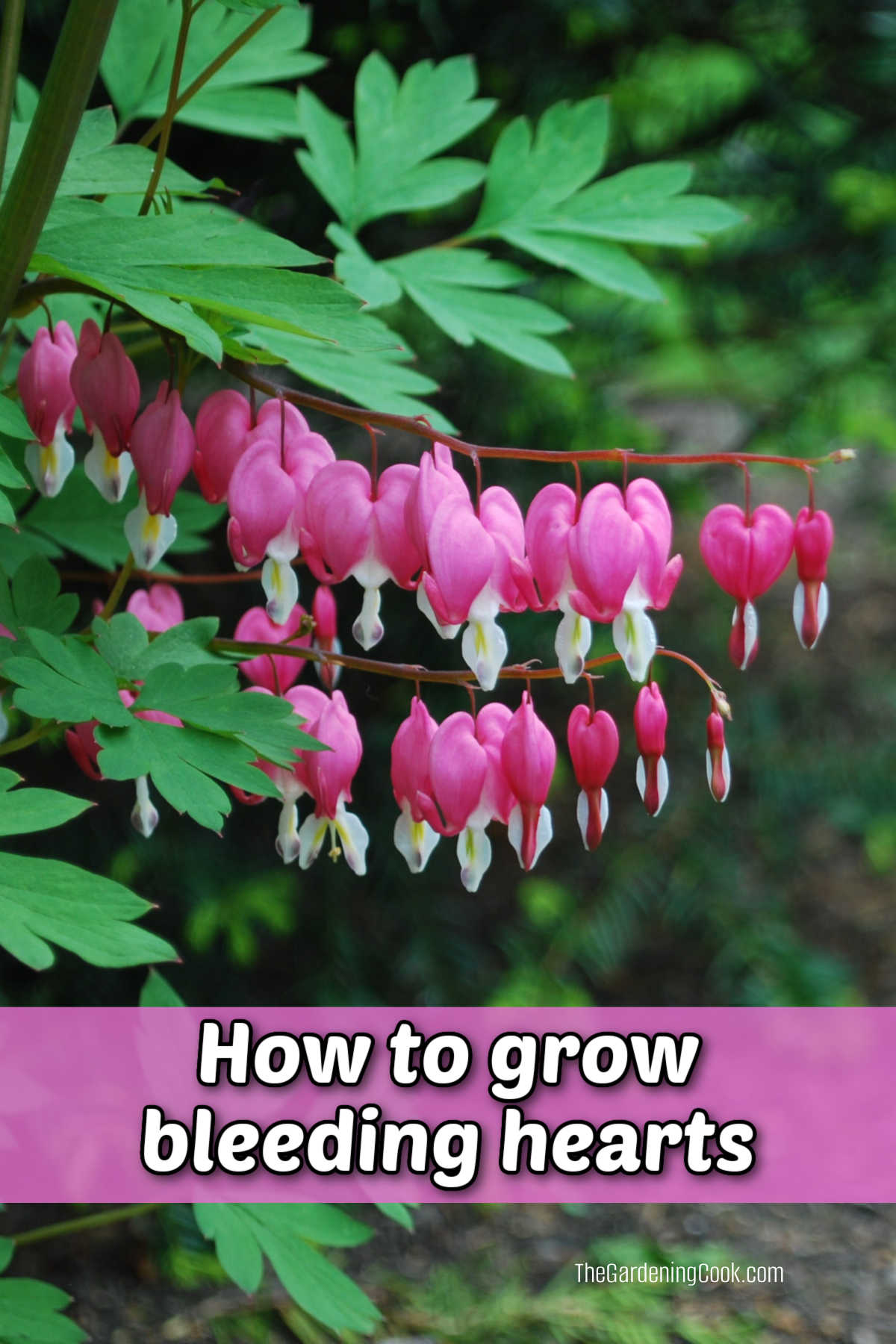
Would you like a reminder of this post about growing bleeding hearts? Pin this image to one of your gardening boards on Pinterest so that you can easily find it later.
Admin note: This article for Lamprocapnos spectabilis care first appeared on the blog in May 2017. This post has been updated with new photos, a printable growing tips card, and a slideshow video about bleeding heart plant care.
Bleeding Heart Plants: Care, Varieties & Flower Colors
CREATE
Learn how to grow and care for bleeding heart plants (Lamprocapnos spectabilis). Discover flower colors, leaf types, varieties, propagation tips, and shade garden ideas.
Materials
- 1 bleeding heart plant
- Well-draining soil
- Slow-release fertilizer
Tools
- Watering can or hose
Instructions
- Plant bleeding heart plants in partial shade to full shade.
- Space plants 2 to 3 feet (60 to 90 cm) apart.
- Be sure the soil is well-draining. Add compost or other organic matter to improve drainage.
- Water well. Bleeding heart plants need 1 inch of water a week.
- Mature size is 1-3 feet (30 to 90 cm). Some varieties will grow to 4 feet (120 cm) tall and wide.
- Fertilize in early spring with slow-release fertilizer.
- Bloom time is early spring.
- Ideal temperature is 55-75°F (13-24°C) with moderate to high humidity.
- Bleeding heart is cold-hardy in USDA zones 3-9.
- Toxic to humans and pets if ingested.
- Bleeding hearts go dormant in mid-summer, and the leaves will turn yellow.
- Cut the plant close to the ground in the fall and mulch to protect it for winter.
- The plant can also be grown in a large container with well-draining soil.
- Propagate by stem cuttings, division, and from seed.
Notes
You can print this handy, at-a-glance care guide in high-resolution JPG or PDF formats using the links below:
Recommended Products
As an Amazon Associate and member of other affiliate programs, I earn from qualifying purchases.


Martha Downing
Saturday 5th of February 2022
Hi Carol, I love all the information you provided on growing bleeding heart plants. I too, love to grow bleeding hearts and I was wondering if you had heard of the white bleeding heart that produces red tears. I grew this variety in Florida and it was so beautiful that I had to had another one to start here in WI. I'm getting that one growing in my basement under grow lights and I just discovered today, that it is going to produce a bloom soon. I just recently heard of another variety that I would like to grow; have you heard of the Spectabilis Yellow Leaf Bleeding Heart? If you know of this variety and can tell me where I might find it, I would appreciate that information very much. I look forward to hearing from you and to signing up for your newsletter.
Happy growing! Martha D. Whitewater, WI
Carol Speake
Sunday 6th of February 2022
I'm not aware of where you could purchase either, as I have not found them, but the dicentra-spectabilis-gold-heart-bleeding-heart is sold by Monrovia.
Darlene
Wednesday 12th of June 2019
I’ve moved from Maine to Florida and love this plant. The only area we now have that does not get full sun is in a shady fairly moist area. Can a bleeding heart still grow there? Thank you for your guidance.
Carol
Wednesday 12th of June 2019
Hi Darlene. Bleeding heart does prefer moist soil, but it needs to have very good drainage. If it is sitting in wet soil all the time, it will rot the root ball and could kill the plant.
Debbie Taylor
Wednesday 27th of March 2019
In the spring time in Big Near Lake California it freezes at night . Will this hurt my Bleeding Heart Plant? Do I need to bring it in at night??
Carol
Sunday 31st of March 2019
You should be fine. The plant is hardy in zones 3-9. If it is actively growing during a freeze, you might need to cover it, but the crown will take a freeze.