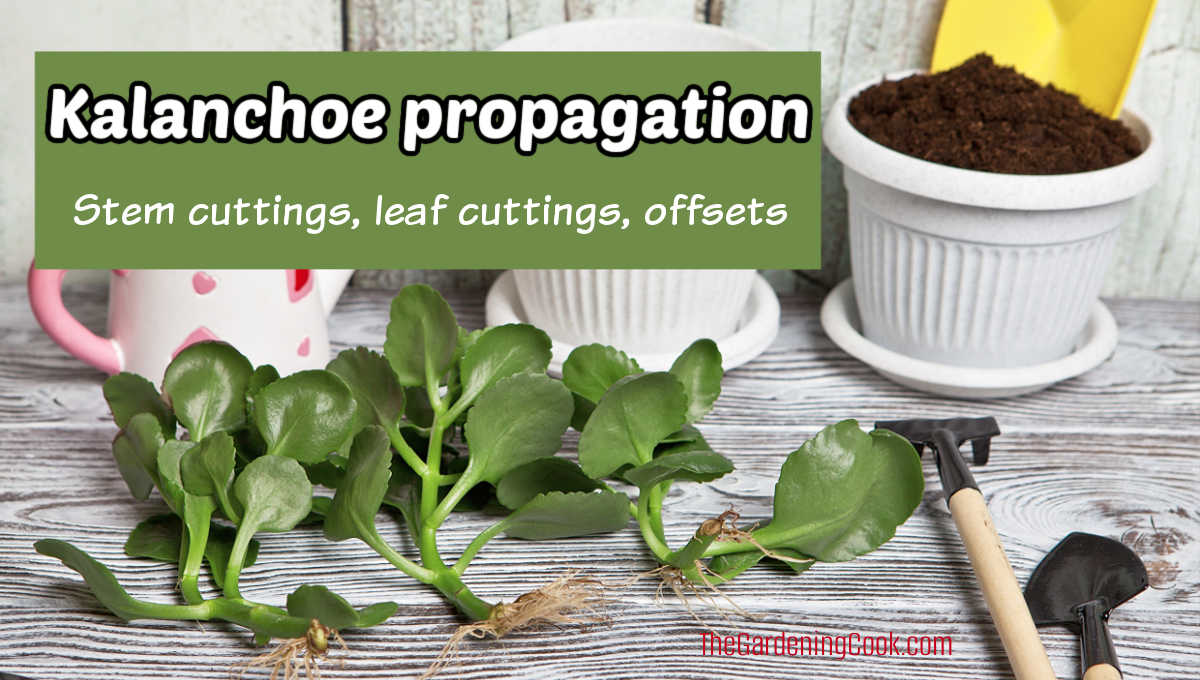
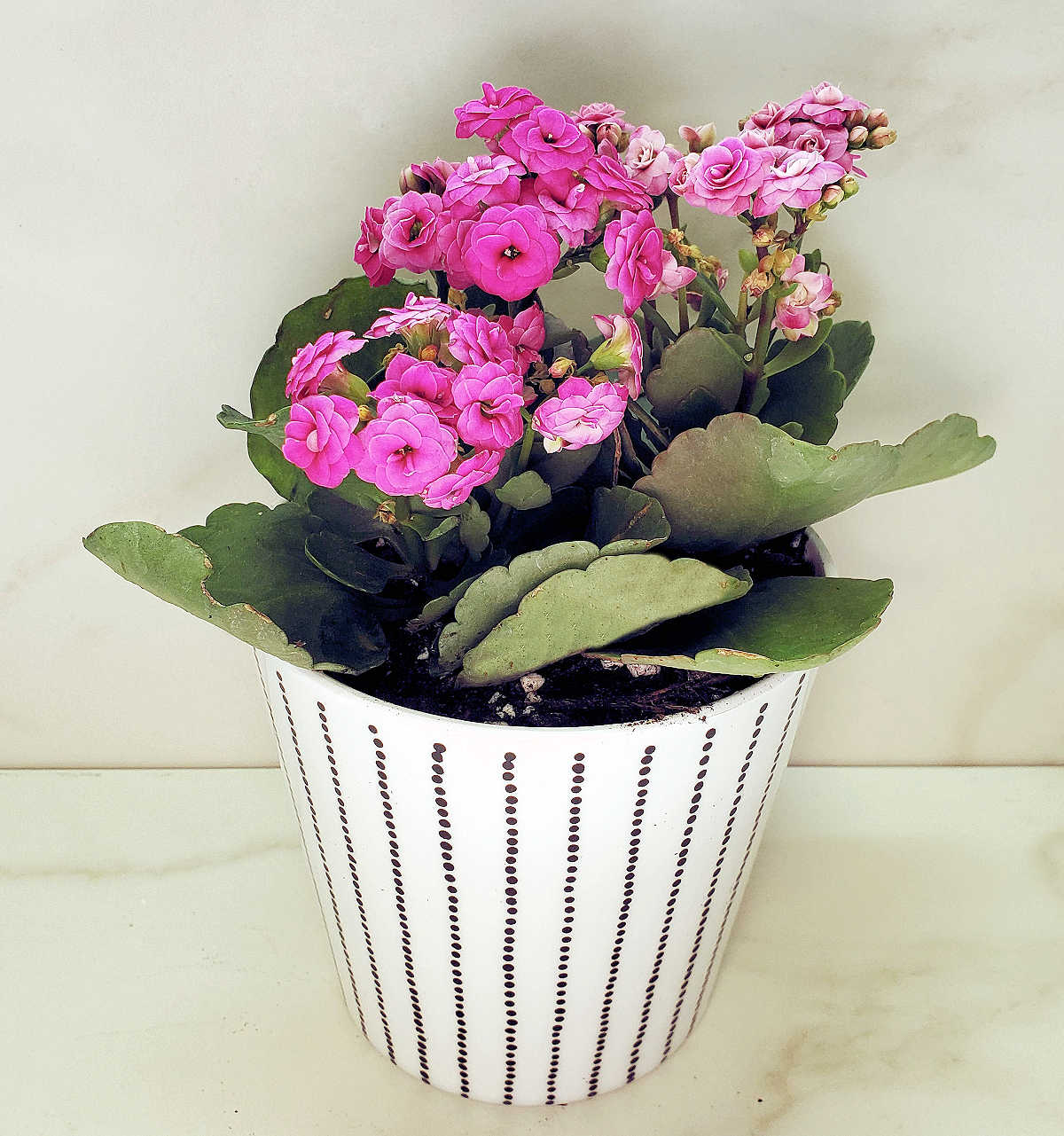
Kalanchoe propagation is an easy way to grow more of these popular, long-lasting succulent plants at home. With the right techniques, you can successfully root new plants from stems, leaves, or offsets when working with Kalanchoe blossfeldiana—also known as florist kalanchoe, Flaming Katy, or Holiday kalanchoe. These methods also work with other types of kalanchoe succulents.
Propagation can be done year-round, though timing slightly impacts success. With a little attention, even a small kitchen window or sunny balcony is enough space to multiply your kalanchoe collection. You’ll enjoy watching new plants take root and bloom, bringing color to your home or sharing with friends.
Starting your cuttings correctly and giving them the right care makes all the difference. In this guide, you’ll find step-by-step instructions for each method, along with tips for soil, light, and watering. These practical steps help ensure strong, healthy plants that thrive indoors or outdoors in warmer weather.
Some of the links below are affiliate links. I earn a small commission, at no additional cost to you, if you purchase through an affiliate link.
How to propagate kalanchoe: at a glance
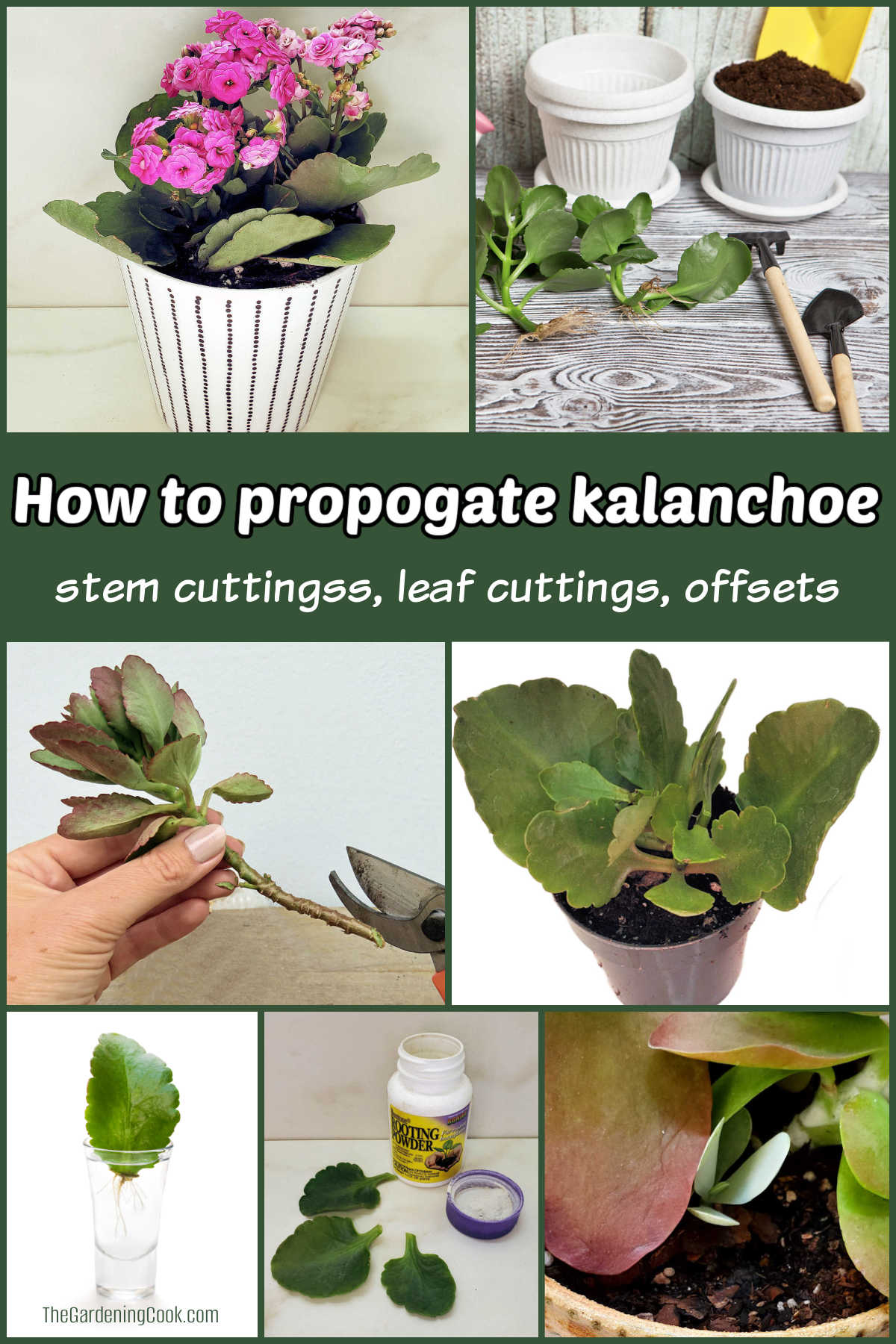
Propagating kalanchoe succulents can be done in three ways: stem cuttings, leaf cuttings, and offsets (pups).
The fastest and most reliable method is with stem cuttings. Propagating offsets is the easiest method for beginners. Leaf cuttings also work, but they root slowly and have a lower success rate.
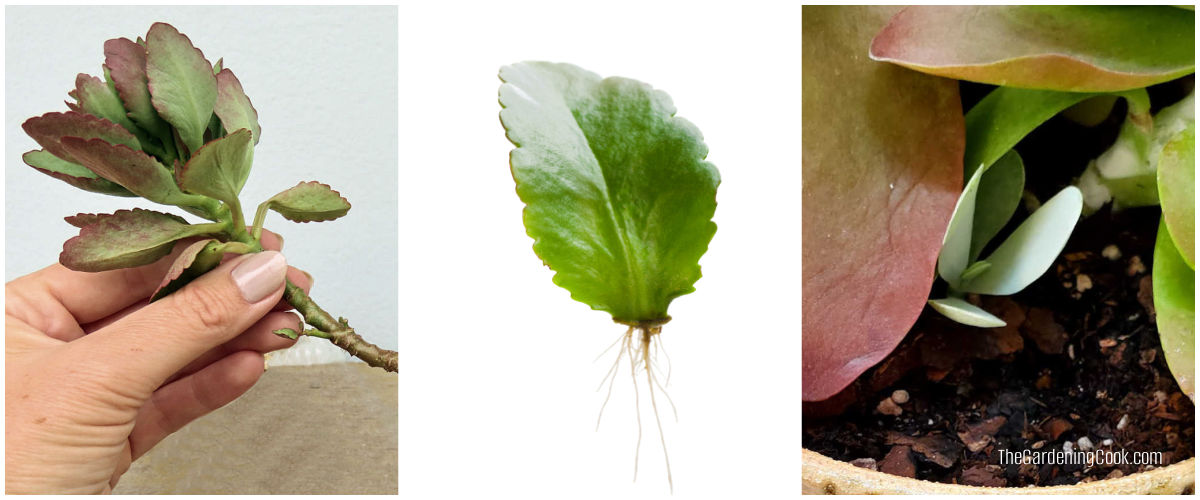
- Stem cuttings: Cut a healthy section of the stem with several leaves, and let it callous for 1-2 days. Plant in well-draining succulent soil, place it in bright, indirect light, and water lightly when the soil is dry.
- Leaf cuttings: Remove a healthy leaf and allow it to callous. Set it on top of dry succulent soil—and mist until roots form. Some gardeners also root leaves in water.
- Offsets (pups): Gently separate a small baby plant from the base of the mother plant, and pot it in its own container. Keep the soil lightly moist until the offset is established.
Rooting typically takes 2-6 weeks, depending on temperature, light, and the propagation method used.
Tools and materials you’ll need
Before you start propagating kalanchoes, gather these tools and materials:
- Healthy kalanchoe succulent: I’ll be using a Kalanchoe blossfeldiana (Flaming Katy) succulent.
- Pruning shears or a sharp knife: To make clean cuts on stems or leaves.
- Small pots: Individual containers work best for cuttings and offsets.
- Succulent or cactus soil: Well-draining soil prevents rot.
- Watering can or plant mister: To keep the soil moist.
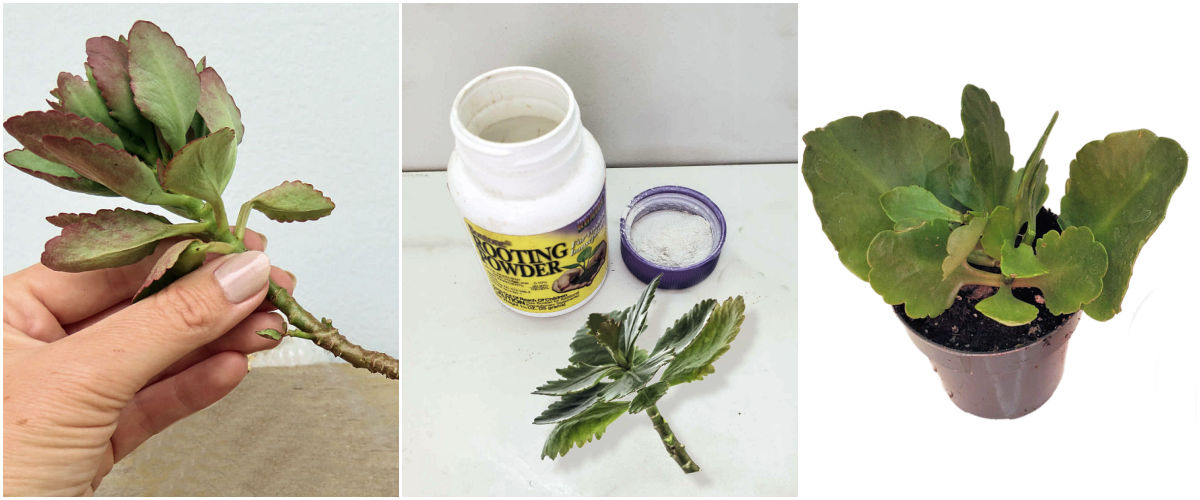
- Rooting hormone (optional): This powder can speed up root development for stem and leaf cuttings.
Having everything ready before you begin saves time and gives your new plants the best start.
How to propagate Flaming Katy kalanchoe—step-by-step
Are you ready to try propagating your kalanchoe? The steps below break down each method in more detail to help you root new plants with confidence.
Stem cutting method (most reliable)
This method gives the best chance for success. Choose a healthy stem that has no flowers and several leaves. Avoid cuttings that look thin or stretched.
- Take a cutting: Use clean, sharp pruning shears to cut a 3-5 inch section of stem just below a leaf node. Remove the lower leaves, but leave a few leaves at the top of the cutting.
- Allow the cutting to callous: Place the cutting in a dry, shady spot for 1-2 days until the end seals over. This helps prevent rot when the cutting is planted.
- Prepare the pot: Fill a small pot with well-draining succulent soil. I like a soil that includes coco coir, peat moss, or perlite.
- Plant the cutting: Insert the calloused end of the cutting 1-2 inches into the soil. Gently firm the soil around the stem, so that it will stand upright.
- Provide bright light: Place the pot in bright, indirect light. Avoid direct sunlight, which can stress an unrooted cutting.
- Water sparingly: Lightly water when the soil feels completely dry. A common cause of failure with stem cuttings is over-watering.
- Watch for roots to form: The cutting will typically develop roots in 2-4 weeks. You will know that rooting has occurred if you see new growth or the cutting has a gentle resistance when you tug on it.
Leaf cutting method (slowest and least reliable)
Leaf cuttings are a slower method, but with patience, they can work.
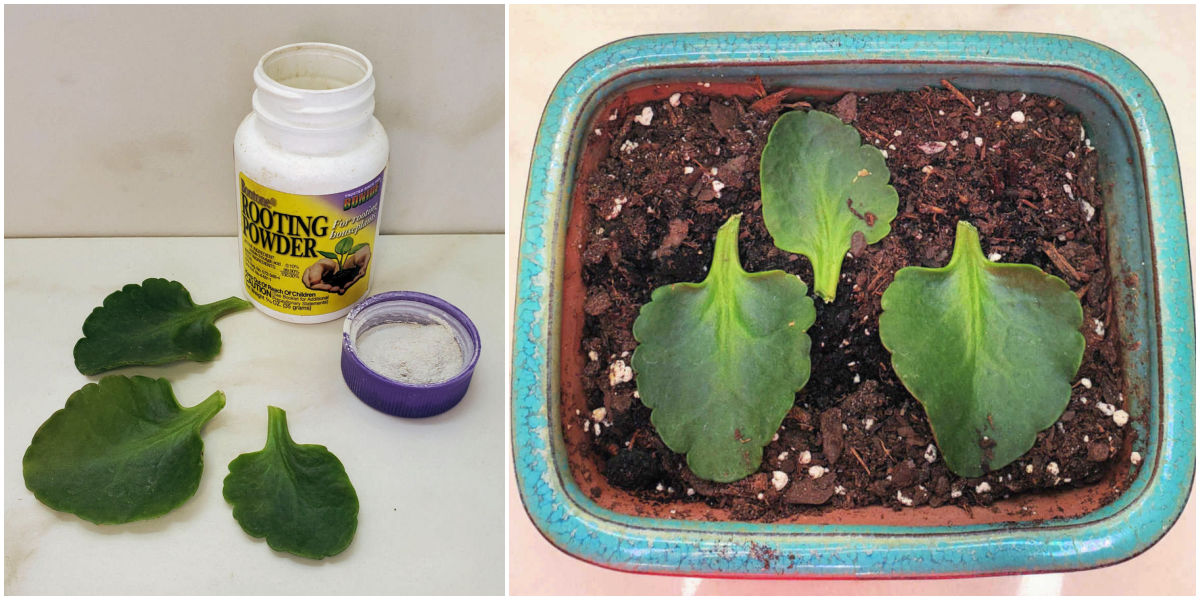
- Select a leaf: Start by selecting a healthy, mature leaf from your kalanchoe succulent. Gently twist or cut the leaf from the stem. Ensure the base is intact.
- Let the leaf callous: Place the leaf in a dry, shady spot for 1-2 days, allowing the end to callous over.
- Plant in soil: Place the calloused leaf on top of dry, well-draining succulent soil.
- Mist lightly: Water the soil sparingly by misting—just enough to keep it slightly damp but not wet.
- Watch for roots: Roots and tiny plantlets will form at the base of the leaf in approximately 3-6 weeks, depending on light and temperature.
Rooting in water
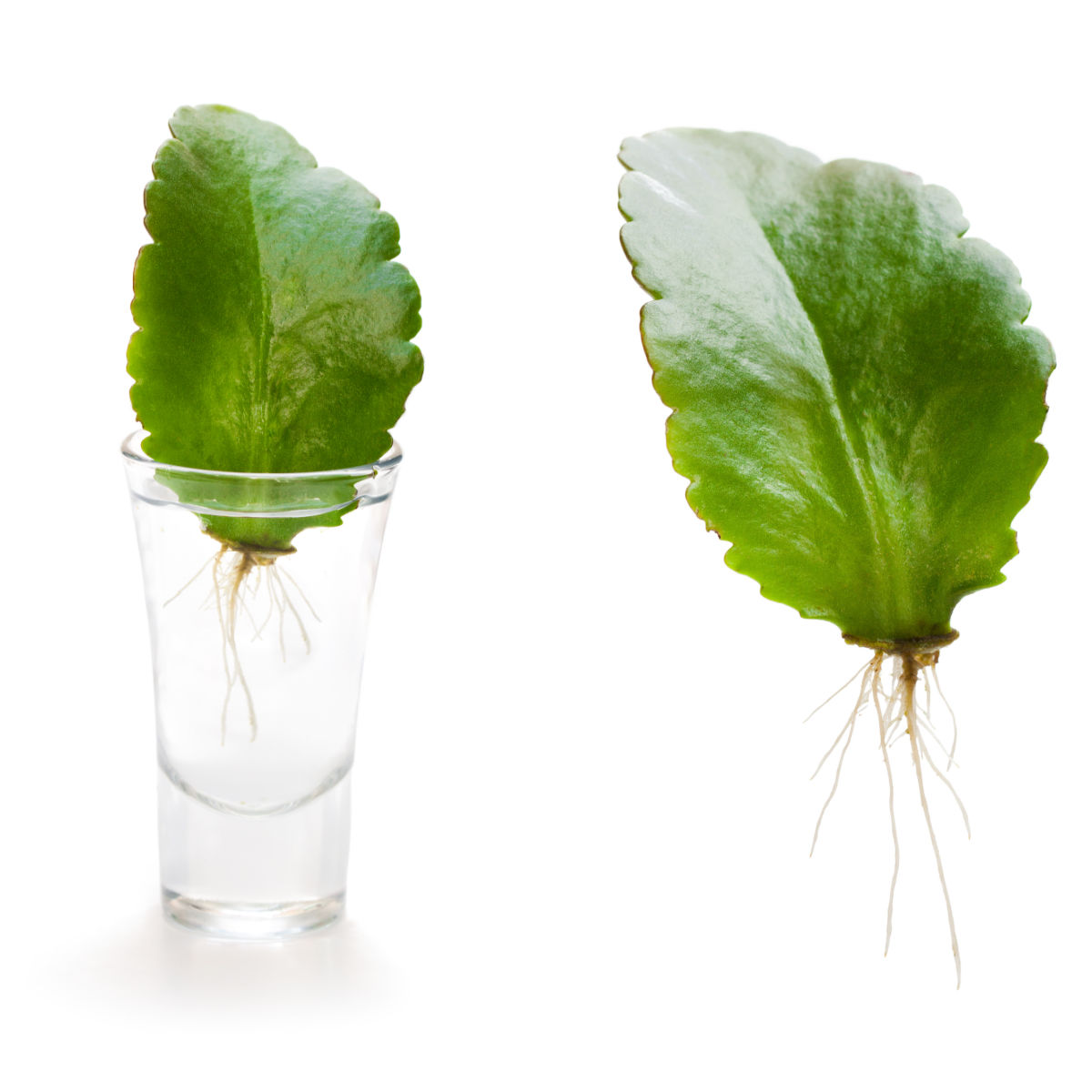
Some gardeners prefer to root leaves in water. Place a calloused leaf in a small container with water just touching the base of the leaf. Change the water each day. Once roots have formed, transfer the leaf to a small pot with succulent soil to continue growing.
Propagating kalanchoe pups (fastest method)
Offsets (often referred to as pups) are the easiest way to propagate kalanchoe succulents, especially for beginners. These baby plants form at the base of a mature plant and have a beginning root system. This makes them very quick to establish.
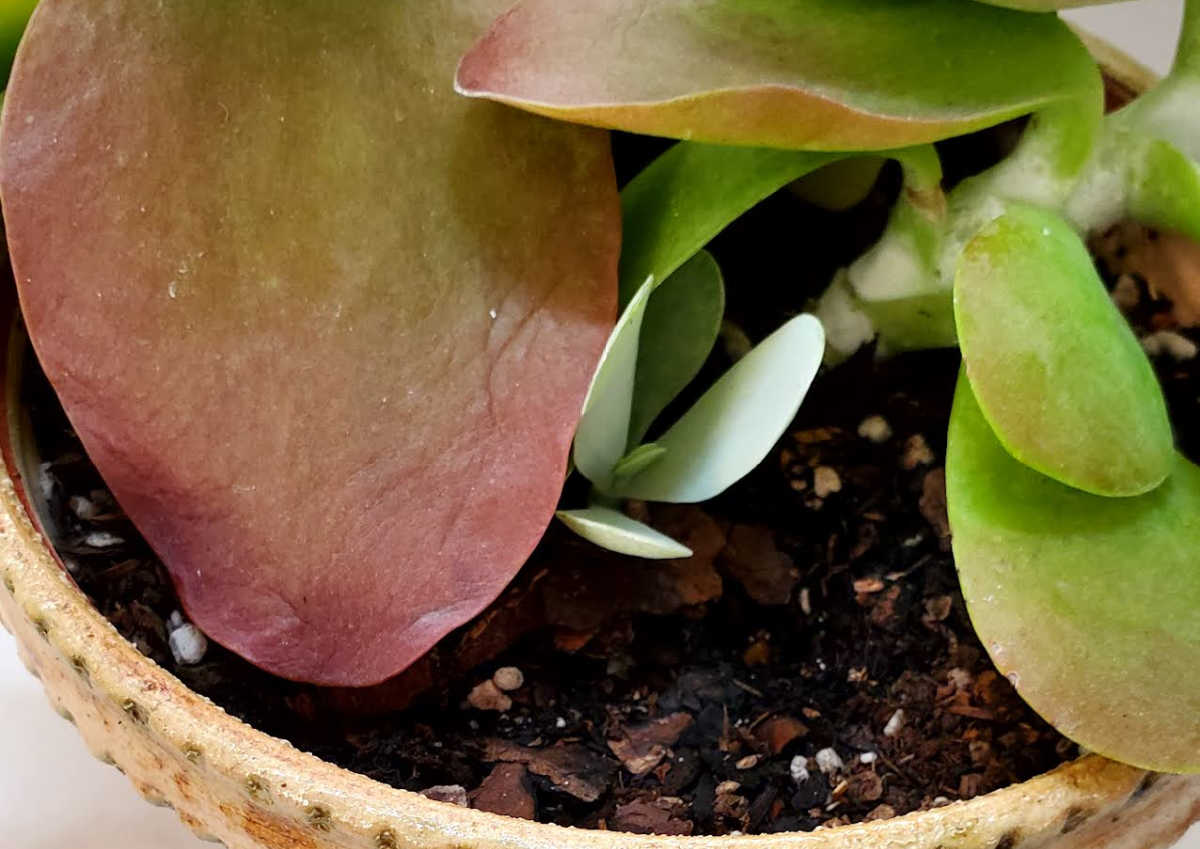
While florist kalanchoe (Kalanchoe blossfedliana) rarely produces pups, other kalanchoe species—like the paddle plant (Kalanchoe thrysiflora)—form offsets more often. The photo below shows a paddle plant offset, so you can see what a pup looks like, even if your Kalanchoe blossfeldiana never grows one.
Here is how to propagate a kalanchoe pup:
- Locate the offset: Look for a small plant growing at the base of your mature kalanchoe plant. Choose an offset that is firm, healthy, and at least 1-2 inches tall.
- Remove the parent plant: Gently loosen the soil and lift the entire mature plant. This gives you better access to the offset without damaging it.
- Separate the offset: Gently pull the offset away from the main root ball with your fingers. Try to keep any tiny roots attached. If the offset resists, use a clean knife to make a small cut and remove it.
- Prepare the pot: Add some well-draining succulent soil to a small pot.
- Plant the offset: Make a small hole in the soil and place the offset into the hole, burying the roots. Avoid planting too deeply; the crown should sit just above the soil. Firm the soil around the base of the offset so it stands upright.
- Water lightly: Give the soil a light watering so that the moisture settles around the roots of the offset. Keep it barely moist for the first 1-2 weeks until the pup establishes itself.
- Provide light: Place the pot in a location that gets bright, indirect light. Avoid strong midday sun until the offset shows new growth.
Offsets typically establish themselves within 1-3 weeks, making this the fastest and most beginner-friendly method of kalanchoe propagation.
When to propagate kalanchoe succulents
The best time to propagate kalanchoes is in the spring and summer months when growth is most active. Roots form quickly at this time, making Flaming Katy propagation more successful.
Indoors, you can propagate a kalanchoe all year-round, but some seasons offer better results. Fall and winter cuttings will root, but they tend to take longer and may need brighter light and warmer indoor conditions.
Caring for newly propagated kalanchoe succulents
After planting your stem, leaf, or offset cuttings, proper care is key to successful rooting.
- Watering: Keep the soil lightly moist, but not soggy.
- Light: Provide bright, indirect light. Avoid midday sun, which can scorch tender cuttings.
- Temperature: Place the cuttings in a warm environment, ideally 65–75°F (18–24°C), to encourage root development.
- Spacing: Good air circulation helps prevent rot, especially for leaf cuttings, which are vulnerable to moisture-related issues.
- Once established: When roots are growing (usually 2–6 weeks), gradually increase watering and move the plant to its regular light conditions.
- Fertilizing: Lightly fertilize offsets after 4–6 weeks to support healthy growth.
Troubleshoot common issues
Sometimes cuttings don’t root as expected. Here’s how to identify and fix common florist kalanchoe propagation issues.
- Cuttings not rooting: Check that the cutting was allowed to callous and that the soil isn’t too wet. Try a slightly warmer, brighter spot with indirect light.
- Leaves turning mushy or rotting: This is likely due to overwatering. Let the soil dry out between waterings and remove any affected leaves.
- Stretching or legginess: Cuttings grown in low light may stretch. Move them to brighter, indirect light to encourage compact growth.
- Slow growth: Some methods, like leaf cuttings, naturally root more slowly. Be patient, keep the plants warm, and avoid overwatering.
- Leaves shriveling: This can happen if the soil is too dry or the light is too harsh. Keep the soil lightly moist and place cuttings in bright, indirect light until roots form.
- Offsets falling over: Young pups can tip if the soil is loose or the root system isn’t established. Gently support the offset, and avoid overwatering until it’s stable. Use a slightly firmer soil to keep the plant upright.
How long to wait before assuming failure
Rooting times vary depending on temperature, light, and the method of propagation. Most cuttings show signs of growth within 2–6 weeks. If no roots or growth appear after 6–8 weeks, it’s likely the cutting didn’t take.
FAQs
Here are some common questions that I receive about kalanchoe propagation.
Can I propagate a kalanchoe from flowers?
No, flowers do not produce roots. Always use healthy stems, leaves, or offsets for propagation.
How long before my propagated plant blooms?
A kalanchoe typically flowers 6–12 months after propagation, depending on light, care, and the size of your plant.
Why hasn’t my kalanchoe cutting calloused?
If a cutting isn’t callousing, it may be too thick, too wet, or stored in a humid spot. Ensure it’s at room temperature, dry, and out of direct sunlight until the cut end forms a dry layer.
Can you propagate holiday kalanchoe after blooming?
Yes! Wait until the flowers fade. Stem and leaf cuttings or offsets can be used for propagation regardless of flowering history.
Does kalanchoe cutting need a rooting hormone?
Rooting hormone is optional. It can speed up rooting, especially for leaf cuttings, but healthy stem cuttings and offsets will root successfully without it.
Related posts
These related posts expand on propagation methods and plant care techniques used in this guide.
- How to propagate succulents from stems and leaves
- Kalanchoe blossfeldiana growing tips
- Plant propagation methods – cuttings, division, layering, and more!
hare these kalanchoe propagation tips on X
If you enjoyed learning how to propagate Kalanchoe blossfeldiana succulents, please share these tips with a friend. Here is a post to get you started:
Want more kalanchoe plants? 🌸This propagation guide covers stem cuttings, leaf cuttings, and pups—plus aftercare and troubleshooting for real success. Head to The Gardening Cook for the step-by-step guide. #KalanchoePropagation… Share on XPin this post for rooting kalanchoe cuttings
Would you like a reminder of this post on how to propagate kalanchoe? Pin this image to one of your gardening boards on Pinterest so that you can easily find it later.
You can also watch this YouTube slideshow video about kalanchoe propagation!
Easy Kalanchoe Propagation: How to Grow Kalanchoe Cuttings and Offsets
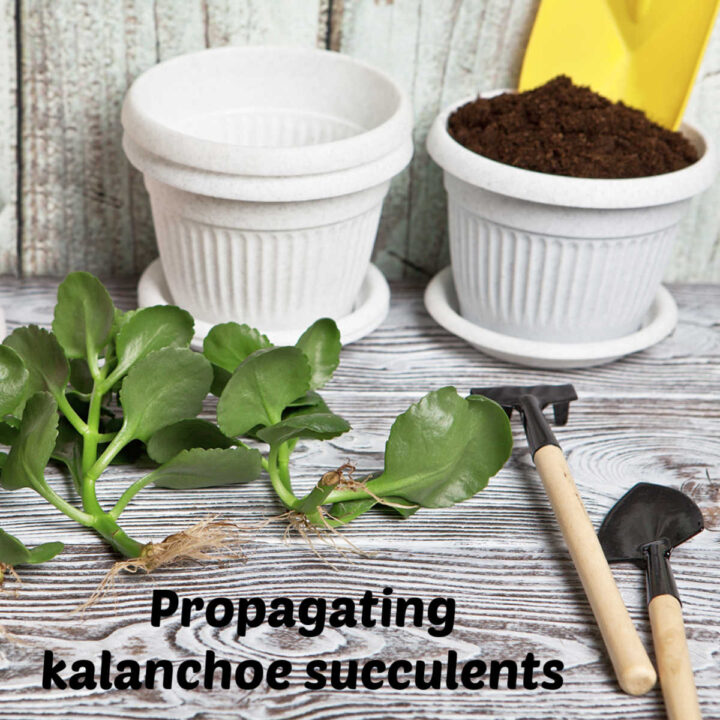
Grow new kalanchoe plants in a few weeks! Follow these easy steps for propagating this popular succulent plant by rooting its stem cuttings, root cuttings, or offsets in soil and water.
Materials
- Kalanchoe blossfeldiana plant (other kalanchoe succulents also work.)
- Succulent/cactus soil
- Hormone rooting powder
- Small pot
Tools
- Misting bottle or watering can
- Pruning shears
Instructions
- The best time to take cuttings is in late spring or early summer.
- Be sure the plant is healthy. Choose stems and leaves that are not withered. Pick stems with no flower buds on them.
- Carefully cut stem cuttings, leaves, or offsets from the mother plant.
- Dip the stem end of the cuttings in rooting hormone. (optional)
- Allow the ends of the cuttings to callus for 1-2 days before planting them in soil. Offsets can be planted right away.
- Plant the cutting or offset ½ to 1 inch deep, in a small pot with well-draining succulent/cactus soil.
- If you are rooting kalanchoe leaves, lay them on cactus/succulent soil.
- Place the cuttings in a location that gets bright light but not direct sunlight. An east or north-facing window is best.
- Mist or water gently to keep the soil moist but not soggy.
- Roots should form on stem cuttings or offsets in 1-4 weeks, depending on the type of cuttings. To test, tug on the cuttings. If you feel resistance, they have rooted.
- Leaves will develop roots and small plantlets on the stem end in 3-6 weeks.
- When roots are established and new growth is present, care for them as you would a mature plant.
Notes
Propagating Flaming Katy succulents can also be done in water. Place a calloused leaf in a small container with water just touching the base of the leaf. Change the water each day. Once roots have formed, transfer the leaf to a small pot with succulent soil to continue growing.
Recommended Products
As an Amazon Associate and member of other affiliate programs, I earn from qualifying purchases.