
Organic gardeners have long used homemade plant fertilizers in their gardens, and many home gardeners use compost as a form of enriching the soil to add nutrients.
Over the years, a variety of DIY Miracle-Gro-style recipes have circulated online, often using ingredients such as baking soda, Epsom salts, or household ammonia.
While these mixes may seem appealing, they don’t replicate the balanced nutrients that plants actually need and can sometimes do more harm than good.
Instead, this guide will show you safe homemade plant foods, natural soil amendments, and targeted nutrients for specific plant needs – all without relying on synthetic fertilizers.

The Gardening Cook is a participant in the Amazon Affiliate Program. This post may contain affiliate links. I earn a small commission, at no extra cost to you if you purchase through an affiliate link.
What makes a good plant fertilizer?

A good plant fertilizer gives your plants the right balance of nutrients they need to thrive. Different plants and growth stages require different nutrients, and fertilizers can work quickly or slowly depending on their form. Key elements to look for include:
- Nitrogen (N): Supports leafy growth and overall plant vigor
- Phosphorus (P): Encourages strong root development and flowering
- Potassium (K): Helps with fruiting, disease resistance, and overall plant health
- Micronutrients: Magnesium, calcium, iron, and other trace elements prevent deficiencies
- Form: Liquid fertilizers provide fast-acting nutrients; slow-release amendments feed gradually over time
- Soil compatibility: Good fertilizers improve or complement your soil’s natural structure without causing harm
Quick-acting liquid plant fertilizers
Liquid plant fertilizers are fast-acting because their nutrients are quickly absorbed through roots and leaves. These plant foods provide a timely nutrient boost during active growth stages, making them ideal for leafy growth and flowering.
However, they are generally less effective than slow-release fertilizers for long-term soil feeding and should be used as a supplement rather than the sole source of nutrients.

Fish tank water fertilizer
If you maintain a freshwater fish tank, the water from your aquarium can serve as a natural, nutrient-rich fertilizer similar to commercial fish emulsion.
How to use it:
- When cleaning your aquarium, save the water.
- Apply it directly to the soil around your plants.
How it works:
- Fish tank water acts as a nutrient-rich fertilizer for your plants.
- It contains nitrogen, phosphorus, potassium, and beneficial bacteria from fish waste.
Precautions:
- Only use water from freshwater tanks. Saltwater aquariums contain sodium, which can damage plants.
- Aquarium water fertilizer works best for foliage plants. If using it on edible crops, apply it to the soil only, not the edible parts.

Compost tea fertilizer
Compost tea is a liquid fertilizer made by steeping finished compost in water to extract soluble nutrients and beneficial microorganisms.
How to make it:
- Fill a bucket with finished compost (not scraps).
- Add water (5 parts water to 1 part compost).
- Stir daily and steep 24–48 hours.
- Strain through cheesecloth to a light tea color before applying to plants.
How it works:
- Compost tea contains small amounts of nitrogen, phosphorus, and potassium.
- It also has micronutrients and beneficial microbes that support soil and root health.
- This provides a quick nutrient boost while also enhancing microbial activity in the soil.
- Compost tea, added to soil, nourishes flowering bulbs like daffodils.
Precautions:
- Use only fully finished compost to reduce the risk of pathogens.
- Apply promptly after steeping.
- Dilute well for seedings and transplants.
- Avoid overapplication since nutrient levels can vary depending on the compost source.

Kelp extract fertilizer
Kelp extract, derived from seaweed, is a natural source of micronutrients, trace minerals, and plant growth-promoting compounds. It can be applied as a foliar spray or soil drench to support overall plant health, particularly during periods of active growth or stress.
How to use it:
- Dilute kelp extract according to the manufacturer’s instructions (typically 1–2 tablespoons per gallon of water).
- Apply directly to the soil or as a leaf spray every 2–4 weeks.
How it works:
- Kelp extract contains potassium, trace minerals such as iron, zinc, and manganese, as well as natural plant hormones like cytokinins and auxins.
- These compounds can improve root development, enhance stress tolerance, and support flowering and fruiting.
Precautions:
- Use only as directed; concentrated application can burn foliage.
- Kelp extract is a supplement, not a complete fertilizer.
- It should be used with compost tea, fish tank water fertilizer, or a balanced plant food.
Slow-release soil amendments
Slow-release soil amendments provide nutrients to plants gradually while improving soil health.
Compost, crushed eggshells, coffee grounds, banana peels, bone meal, and aged manure feed plants over time. They help support stronger roots and a thriving garden without relying on synthetic fertilizers.

Compost
Compost is made from a combination of brown and green (dried and moist) organic matter that combines and breaks down over time. A big advantage is that it is free if you have your own compost pile.
How to use it:
- You don’t need a large compost pile – a rolling compost pile or a small compost tumbler works well.
- Add garden refuse and food scraps as they become available.
- Rotate the pile every few days.
- With frequent turning, you can get humus in 3 -6 weeks.
- Once humus forms, screen it and add a scoop to every pot of soil or to your garden soil, near plants.
How it works:
- A compost pile uses microorganisms (bacteria, fungi, and worms) to decompose organic waste to make a nutrient-rich product called humus.
- This slow-release soil amendment enriches your soil by adding nutrients and improving soil structure.
Precautions:
- Proper composting takes time, so you will need to plan ahead.
- Compost improves soil fertility over time by increasing organic matter and nutrient availability, rather than acting as a fast-acting fertilizer.

Crushed egg shells for plants
Eggshells are mostly calcium carbonate. They can be a slow-release calcium source when incorporated into the soil.
How to use them:
- Rinse and dry the eggshells to remove any residue.
- Crush them finely using a mortar and pestle or food processor.
- Sprinkle the crushed egg shells around the base of plants or lightly mix them into the soil.
How it works:
- Eggshells slowly release calcium into the soil, strengthening plant cell walls.
- This can help to prevent blossom-end rot in tomatoes and peppers.
Precautions:
- Nutrient release is slow; don’t rely on it for an urgent calcium deficiency.
- Larger pieces decompose very slowly and may attract pests.
- Eggshells are not a complete fertilizer, since they don’t provide nitrogen. phosphorus, or potassium.

Coffee grounds for plants
Coffee grounds are a useful addition to your garden. You can use the grounds as a nitrogen fertilizer, to add organic matter to the soil, or to feed beneficial microorganisms and earthworms.
How to use them:
- Spread used coffee grounds in a thin layer on the soil, or mix them into compost.
- Limit the layers to ¼ to ½ inch at a time to avoid clumping.
How it works:
- Coffee grounds for soil add nitrogen and organic matter gradually.
- They support beneficial microorganisms that improve soil fertility.
Precautions:
- If applied too thickly, they can repel water.
- Monitor the soil pH if you use them often; fresh coffee grounds are quite acidic and can lower soil pH.
- Coffee grounds on their own are not a cure for a nitrogen deficiency.

Banana peels for plants
Banana peels contain potassium and other nutrients important for plant health, which can help plants after they decompose. For this reason, banana peels are most effective when added to compost or worked into soil where microbes can break them down.
How to use them:
- Chop banana peels into small pieces.
- Bury them a few inches into the soil near plant roots.
- You can also add them to your compost pile for a gradual nutrient boost.
How it works:
- Banana peels for soil provide potassium, phosphorus, and small amounts of nitrogen as they decompose.
- They support microbial activity that improves soil health.
Precautions:
- Decomposition is a slow process, not a quick fix.
- Large pieces left on the soil can attract pests.
- Amounts of potassium and phosphorus depend on the variety of banana and its ripeness.

Bone meal for plants
Bone meal is a mixture of finely ground animal bones and other waste products from slaughterhouses. It can be used as a slow-release fertilizer to provide a good source of phosphorus and calcium.
How to do it:
- Sprinkle 1-2 tablespoons around the base of plants.
- Work it into the top 2 inches of soil.
- It’s best applied at planting time for bulbs, flowers, and vegetable transplants.
- You can also mix it into compost for a gradual nutrient release.
How it works:
- Bone meal for plants provides phosphorus for strong root development and calcium for healthy cell walls.
- It is a good choice for garden beds because of its slow-release, long-term properties.
- It encourages robust flowering and fruiting.
Precautions:
- Use only food-grade or garden-grade bone meal, not cooking leftovers.
- Avoid using too much, since excess phosphorus can harm plants.
- Keep away from pets; cats and dogs can be attracted to the smell.
Targeted magnesium fix
Some plants develop specific nutrient deficiencies that aren’t solved by general fertilizers. Targeted nutrient fixes provide the precise element a plant needs – like magnesium, without overloading the soil.
In this section, we’ll cover Epsom salt fertilizer, a simple and effective option for a magnesium deficiency in plants.

Epsom salt fertilizer
Epsom salt provides minerals magnesium and sulphur to plants with a magnesium deficiency.
How to use it:
- Combine 2 tablespoons of Epsom salt with 1 gallon of water.
- Mix well and place the solution in a spray bottle.
- Mist your plants once a month with this mixture.
How it works: Epsom salt provides magnesium and sulphur to your plants, encouraging bushy growth, improved bloom, and stronger roots.
Precautions: Use only on plants with a confirmed magnesium deficiency.
If your plant is not lacking magnesium, a balanced plant fertilizer is more beneficial.

Can you fertilize your plants too much?
Even natural or homemade fertilizers can be overused. Too much of any nutrient can harm your plants. It’s important to know the warning signs and take a careful approach.
Root and leaf burn
- Excess fertilizer salts can damage roots and leaves.
- Symptoms: stunted growth and slower blooming.
Pests and diseases
- Over-fertilized plants can attract pests or become more susceptible to disease.
- Example: Very lush, nitrogen-heavy growth can invite aphids.
How to recognize over-fertilization
- Yellow or brown leaves.
- Slow growth and wilting, even after watering.
For more serious fertilizer burn, you might notice a white, salty crust on the soil surface. If this happens, water the plant thoroughly to help flush salts from the top layers of soil. This can reduce damage and give your plant a chance to recover.
Check your soil moisture and nutrient levels before adding more fertilizer. When in doubt, less is more – start with a small amount and observe your plants before adding more fertilizer.
Homemade plant fertilizer printable

You can print this DIY plant food printable as a high-resolution JPG or PDF by using the links below.
Printing instructions:
- Select portrait orientation and “fit to page” on your printer settings for a full-page printout.
- You can also print this free printable featuring homemade plant fertilizers in a slightly smaller size from the project card at the bottom of this page. Scroll down to the project card and press “print”.
Related posts
Explore more homemade plant fertilizers and natural plant boosters to keep your garden thriving without chemicals.

- Using coffee grounds in the garden: This everyday leftover can feed soil, help with vermicomposting, and provide greens for your compost pile.
- Trench composting with food scraps: Use your banana peels, coffee ground and eggshells in a targeted way with this composting method.
- Unusual things you can compost: From toilet paper rolls to eggshells and pet hair, these items can all contribute to your compost pile.
Share this guide to safe homemade plant fertilizers on X
If you enjoyed learning how to make your own DIY plant fertilizer, why not share this guide with a friend?
🌱 Say goodbye to homemade Miracle-Grow! Discover safe, natural ways to feed your plants 🌿 From fish tank water to compost tea & Epsom salt, your garden will thrive without chemicals 🌸#HomemadePlantFertilizer #DIYGarden… Share on XPin these natural plant fertilizers
Would you like a reminder of these natural plant fertilizers and soil amendments? Pin this image to one of your gardening boards on Pinterest so that you can easily find it later.

Admin note: This post with safe plant food recipes first appeared on the blog in April of 2014. I have updated the original post to add more homemade plant fertilizers, a slideshow video, new photos, and a printable of natural plant fertilizers.
Homemade Plant Fertilizers & Soil Amendments – Printable Reference Guide

Download this printable guide to natural plant fertilizers and soil amendments, including their benefits, best uses, and important precautions.
Materials
- Computer paper
Tools
- Computer
- Printer
Instructions
- Load your paper into your printer.
- Using the print function on this card will give you a homemade plant fertilizer printable that fills about ¾ of an 8.5 x 11-inch sheet of paper.
- Choose portrait layout and, if possible, "fit to page" (or 125%) in your settings.
- Prefer full-page printing? You can also print the guide as a high-resolution file using your browser’s print feature: (PDF) | (JPG).
- Please note that creating free printables can be a time-consuming process. This DIY plant foods list is for personal use only. If you are sharing it (and thank you for that!), please link directly to this post, rather than to the actual image. We appreciate your help in supporting the site.
- This list may not be used for any retail purpose or for mass distribution.
Notes
Recommended Products
As an Amazon Associate and member of other affiliate programs, I earn from qualifying purchases.
-
 Plant Foods Liquid Kelp Fertilizer – Suitable for Organic Growing, Seaweed Concentrate for Lawns, Gardens & Soil.
 -
 Bone Meal Fertilizer | Add to Potting Soil | Strong Root Development | Organic Gardening | for Tomatoes, Peppers, and Bulbs.
 -
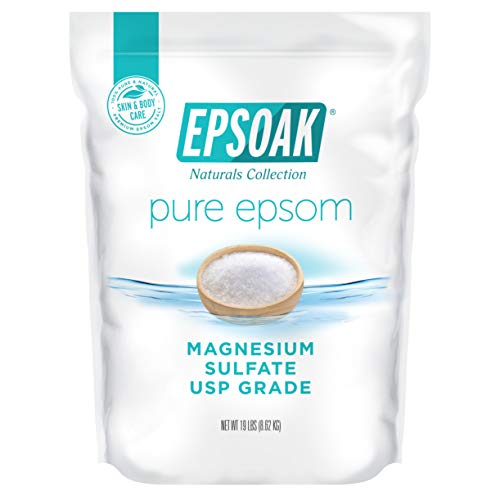 Epsoak Epsom Salt 19 lb. Bulk Bag Magnesium Sulfate USP - Natural Fertilizer for plants with a magnesium deficiency.
Frank
Thursday 14th of September 2023
does the smell go away when mixed?
Carol Speake
Friday 15th of September 2023
No, the smell remains.
Tomi
Saturday 14th of January 2023
I make my own fertilizers at home using kitchen waste. Waste only from vegetables and fruits. All this still has a lot of nutritional value. Make sure to use them thoroughly before throwing them away. I water the plants with this water (after cooling down). It really works too. Plants are also beautiful and healthy.
debebe
Thursday 13th of October 2022
ok
Ann Kegg
Tuesday 23rd of August 2022
Hello good people. My mom used to say I have a green thumb but for unknown reason I can't get my rose seeds to grow. I've seenbmany videos on how to get rose seed to sprout. But I guess that is one plant I can't get to grow. Can anyone help me with this mini issue. I'm getting frustrated so bad. Thanks again.
Jus for those that took what one person said bout city slickers. But the person was jus meaning that most of the population that live in the city mite have a hard time to get plants to grow. I am a country girl and now I live in Atlanta. I couldn't get anything to grow until I learned patients. So it wasn't meant to offend anyone. So it's not that serious.
Rachel
Wednesday 23rd of March 2022
The weed tea,. How do I use it? Straight to water plants or something like the concentrate where I need to reduce with water?. Thanks
Carol Speake
Wednesday 23rd of March 2022
HI Rachel, I apologize for not noticing that I omitted the strength. I have fixed the post. Once you have the weed tea mixture made, dilute it to one part weed tea in 10 parts water and use it to fertilize plants.