Gloxinia Care: How to Grow Sinningia Speciosa Indoors
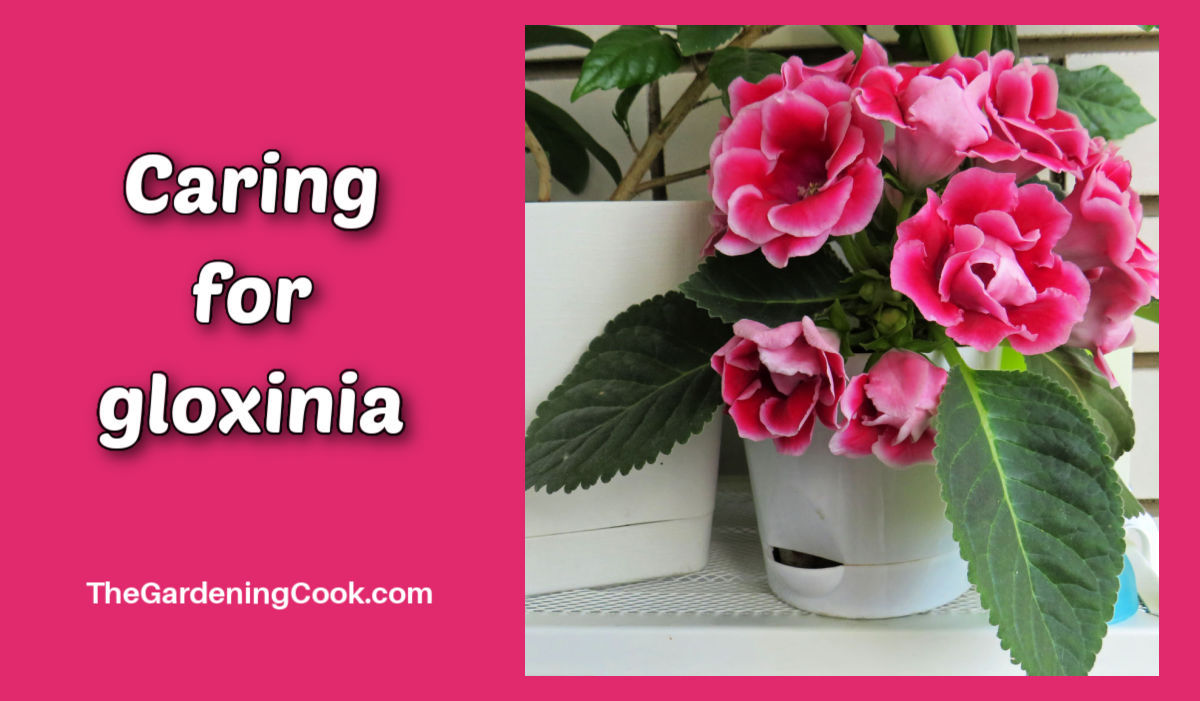
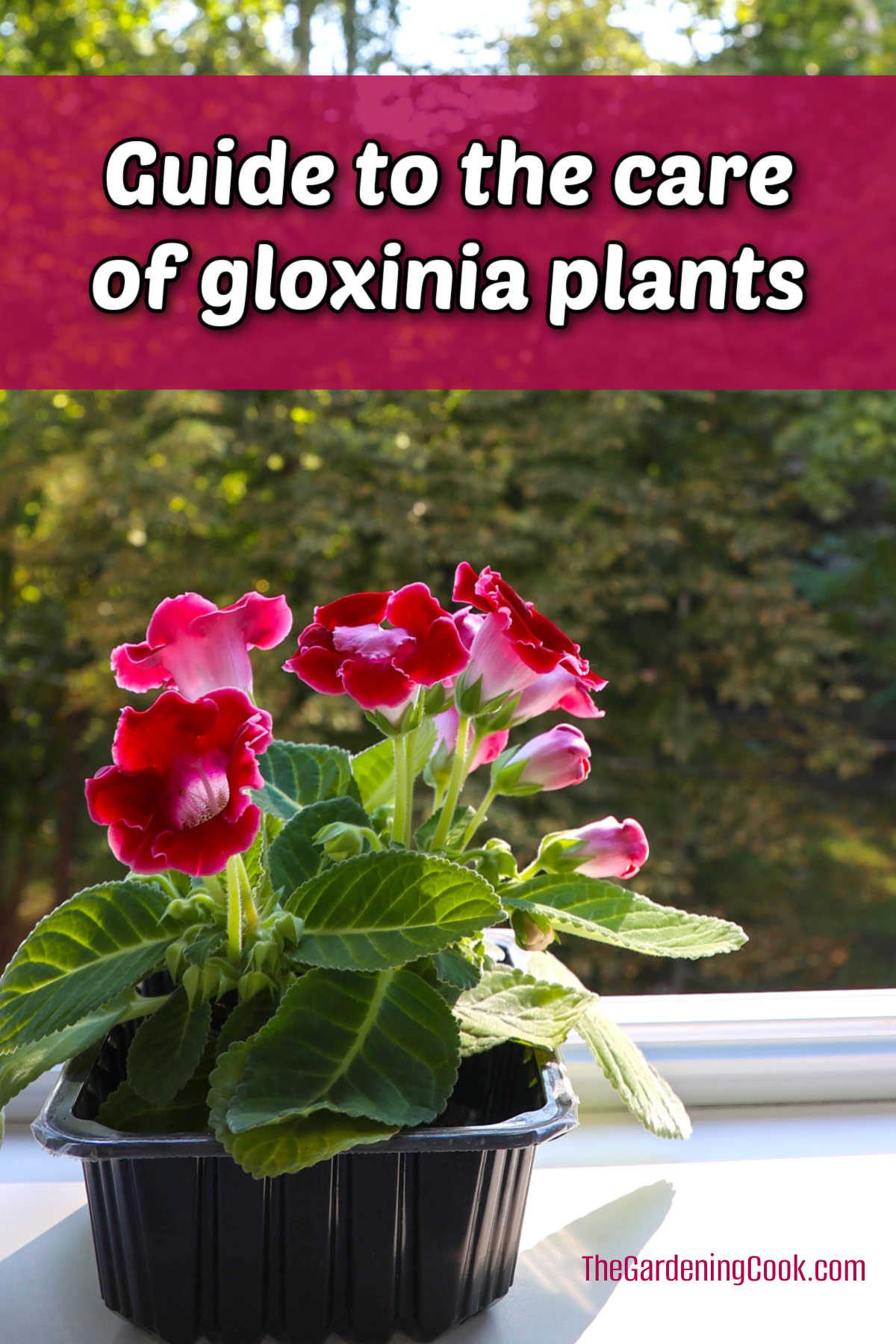
Gloxinia (Sinningia speciosa) is one of those flowering houseplants that can stop you in your tracks. With velvety green leaves and large, colorful, trumpet-shaped flowers, it makes a beautiful addition to any sunny windowsill. Good gloxinia care will help keep those flowers looking their best, whether you’ve purchased the plant for yourself or received one as a flowering gift around Christmas or another holiday.
There’s something important to know about gloxinia, though: it has a natural cycle of growth, flowering, and dormancy. When the flowers fade and the leaves eventually begin to die back, it may look as though your plant is dying. In most cases, it is simply getting ready for a period of rest.
In this gloxinia care guide, I’ll show you how to grow Sinningia speciosa indoors, including the best light, watering, soil, temperature, and fertilizer. I’ll also explain what to do after flowering, how dormancy works, and how you can try to bring your gloxinia back into growth for another season of blooms.
Some of the links below are affiliate links. I earn a small commission, at no additional cost to you, if you purchase through an affiliate link.
Gloxinia care at a glance
Here is a quick guide to gloxinia care:
- Botanical name: Sinningia speciosa
- Common names: Gloxinia
- Family: Gesneriaceae
- Plant type: Tuberous perennial
- Light: Bright, indirect light
- Water: Keep soil evenly moist while actively growing
- Soil: Loose, well-draining soil that is rich in organic matter
- Temperature: Warm, stable household temperatures; keep away from drafts
- Humidity: Moderate to fairly high
- Fertilizer: Regular light feeding during active growth – spring through fall
- Bloom time: Spring/summer naturally, often forced for the holidays
- Toxicity: Safe for pets and humans
- Dormancy: Yes
- Difficulty: Moderate
Botanical note: The gloxinia grown as a flowering houseplant is Sinningia speciosa. It should not be confused with hardy gloxinia (Incarvillea delavayi), which is a completely different plant that is often grown outdoors in garden beds and rock borders.
How to grow gloxinia indoors
Gloxinia plants are not considered an easy houseplant to grow, by any means, but their beautiful flowers make them worth the bit of extra effort that it takes to help them thrive. The main things to keep in mind are watering needs, as well as temperature and humidity requirements.
Gloxinia soil requirements
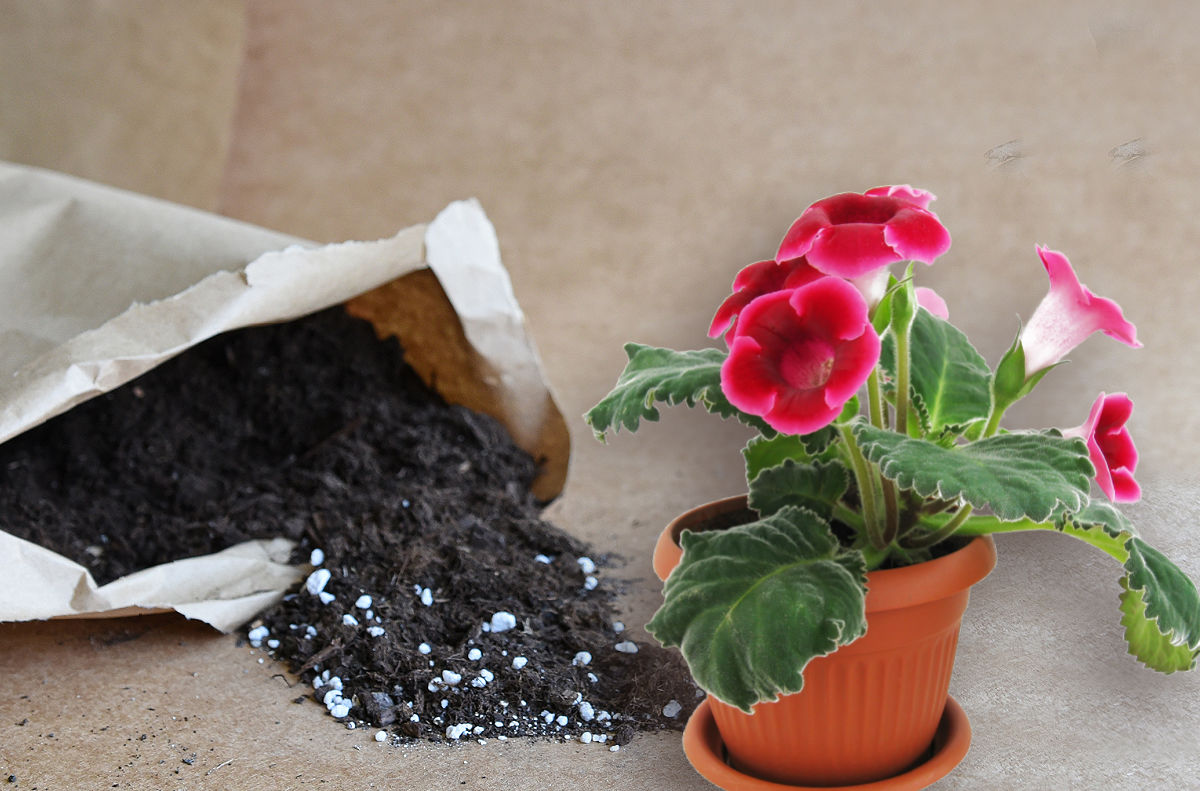
Gloxinias grow from tubers and need soil that retains moisture without getting soggy.
- Use a lightweight, well-draining mix that is rich in organic matter.
- A soil used for African violets is a great choice.
- Use a pot with a drainage hole.
- Don’t bury the tuber too deeply.
Sunlight needs for gloxinia houseplants
Gloxinias are close botanical cousins of African violets. However, they need more light than their flowering cousin does.
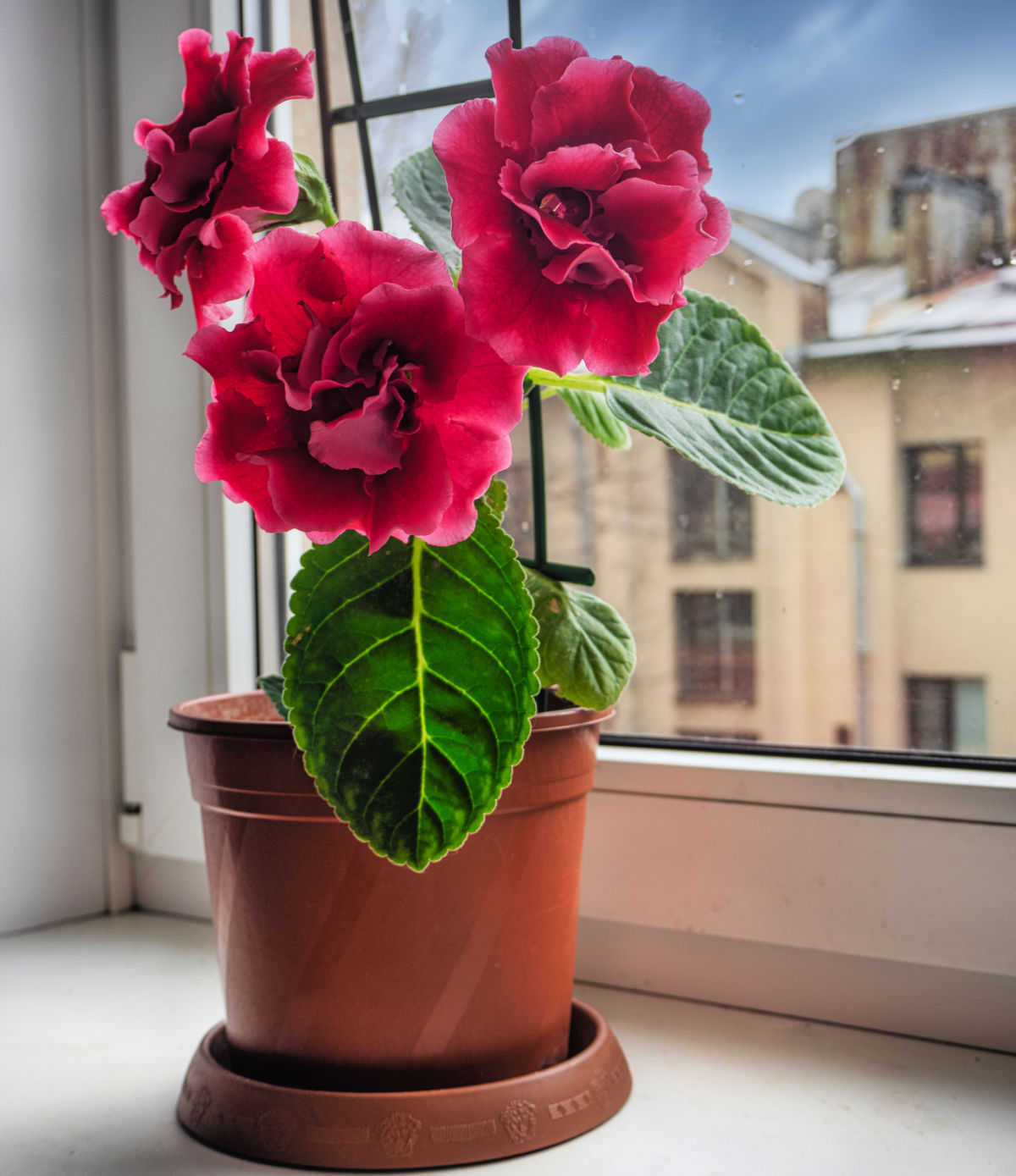
- Give gloxinias bright indirect light.
- An east-facing window is excellent.
- Avoid direct sunlight, as this can scorch leaves and fade the flowers.
- If your gloxinia has stretchy growth and doesn’t flower much, you may need to give it more light.
How to water gloxinia
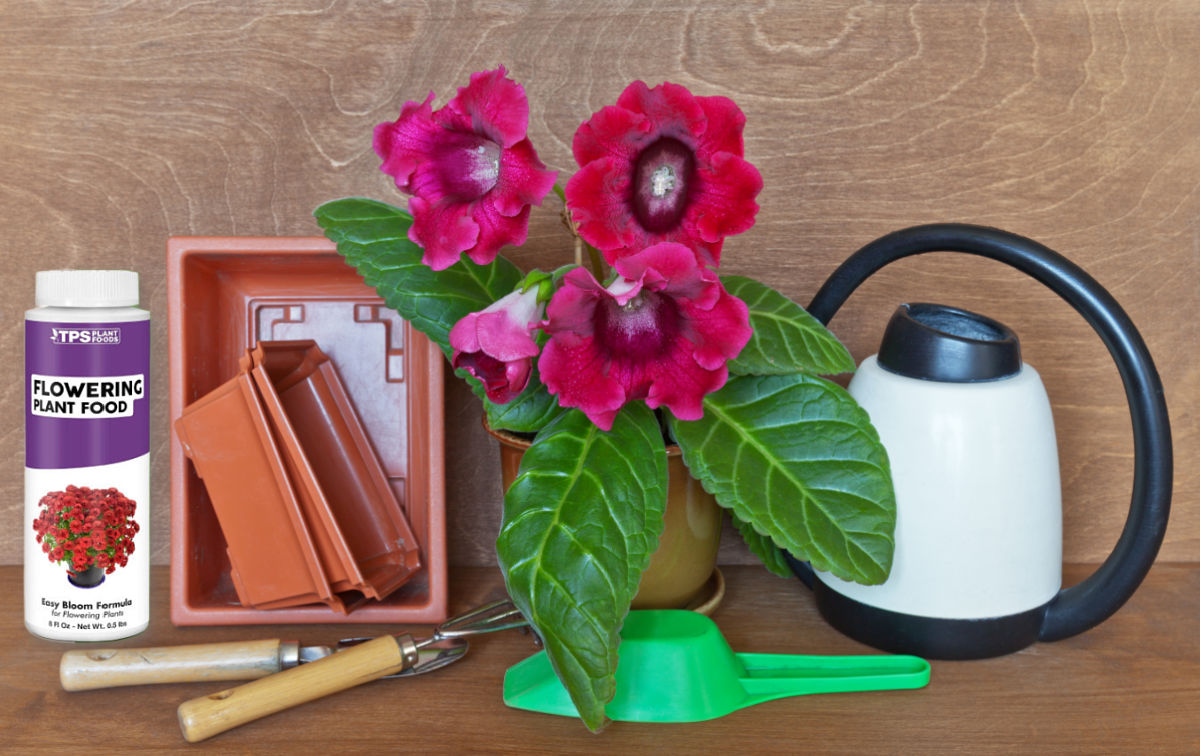
- Water when the surface just begins to dry out, but don’t allow the root zone to become completely dry.
- Keep gloxinia plants evenly moist during active growth periods. (spring through summer)
- Empty any drainage water from the saucer, so the plant doesn’t get waterlogged.
- Water gloxinias at the soil level, rather than over the leaves. Too much water on the leaves can lead to fungal diseases.
- Use room temperature water for best results.
Fertilizing gloxinia
Feed gloxinia plants during active growth periods.
- Use a diluted, water-soluble plant fertilizer every 2-4 weeks during active growth.
- A fertilizer designed for flowering houseplants will give the best results.
- Stop feeding when the plant enters dormancy.
- Overfertilizing can cause leaf burn and reduce flower production.
A note on forced gloxinias: If you purchase a gloxinia during the holidays, it has likely been forced into bloom. Continue feeding while it is actively growing, and gradually stop fertilizing when the plant begins to die back, to allow the tuber to enter dormancy.
Temperature and humidity needs
Gloxinia plants like moderate humidity and warm indoor temperatures.
- 65–75°F (18–24°C ) is a good rule of thumb.
- Avoid drafts and sudden temperature changes.
- If your home is dry, a humidifier can help to increase the moisture in the air around your plant.
- Misting the plant to increase humidity is not recommended because it can encourage disease.
How to repot gloxinia
Repot the plant every few years to give the tubers fresh soil and address any potential root issues.
Gloxinia blooming
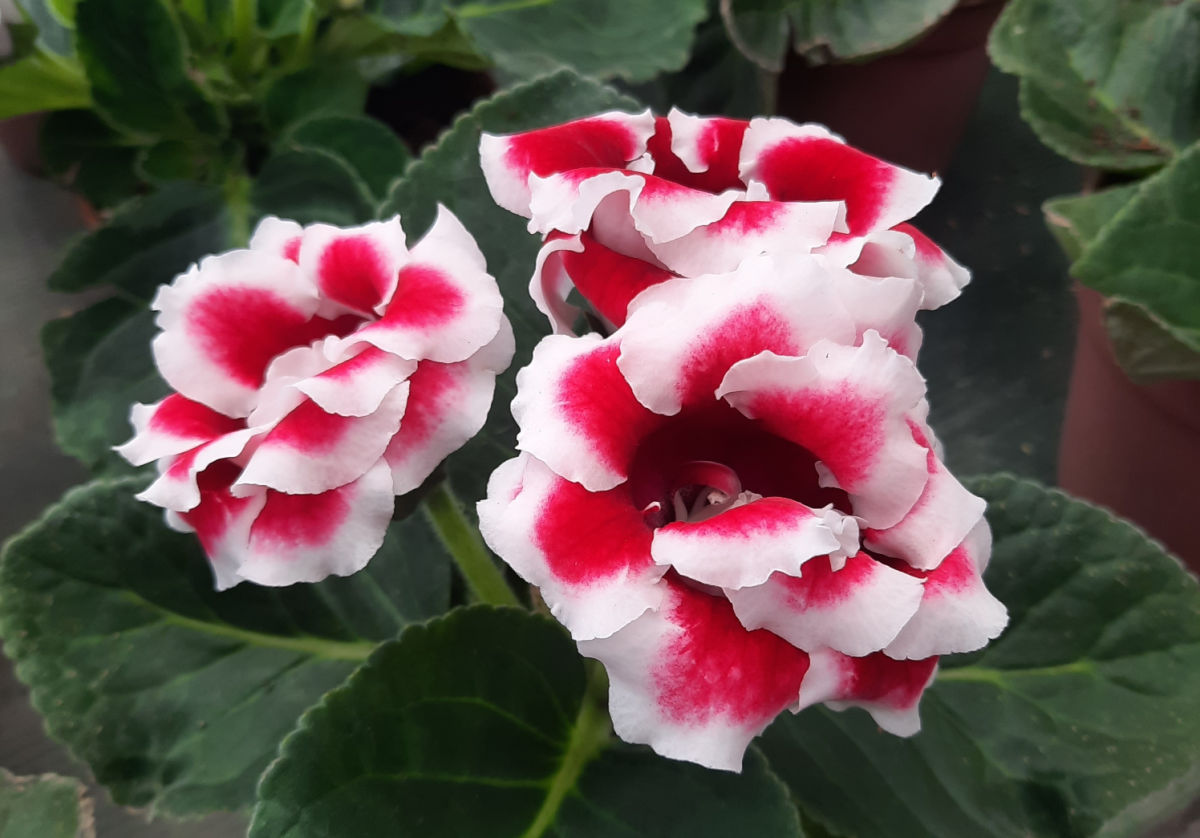
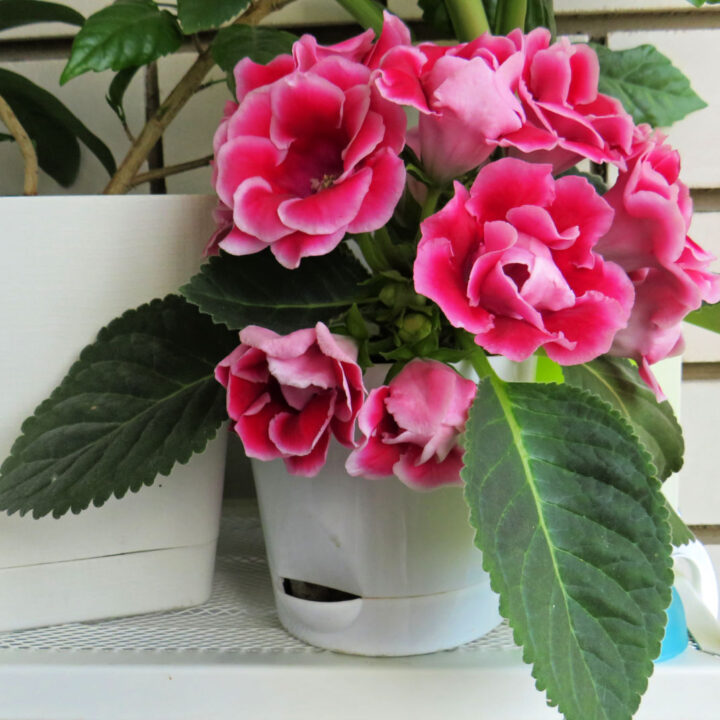
Gloxinia plants are prized for their large, trumpet-shaped flowers.
- Flowers come in a wide range, including red, pink, white, and purple.
- The flowers are large and showy and can be up to 3 inches (7 cm) in width.
- Bloom time is spring and summer, but forced plants can flower in the winter months.
- Flowers can last for several days, and a mature plant may continue flowering for several weeks.
- Remove individual flowers as they fade – this is called deadheading.
What to do with gloxinia after it blooms
You may have received a beautiful gloxinia as a Christmas gift, but notice that the flowers fade and leaves begin to disappear after it blooms. Why does this happen?
Gloxinia plants typically enter a period of dormancy after blooming. This is a normal part of the plant’s natural growth cycle. This is often the point at which many people think they have killed their gloxinia. But don’t toss the plant out – the tuber is the part that survives the dormant period!
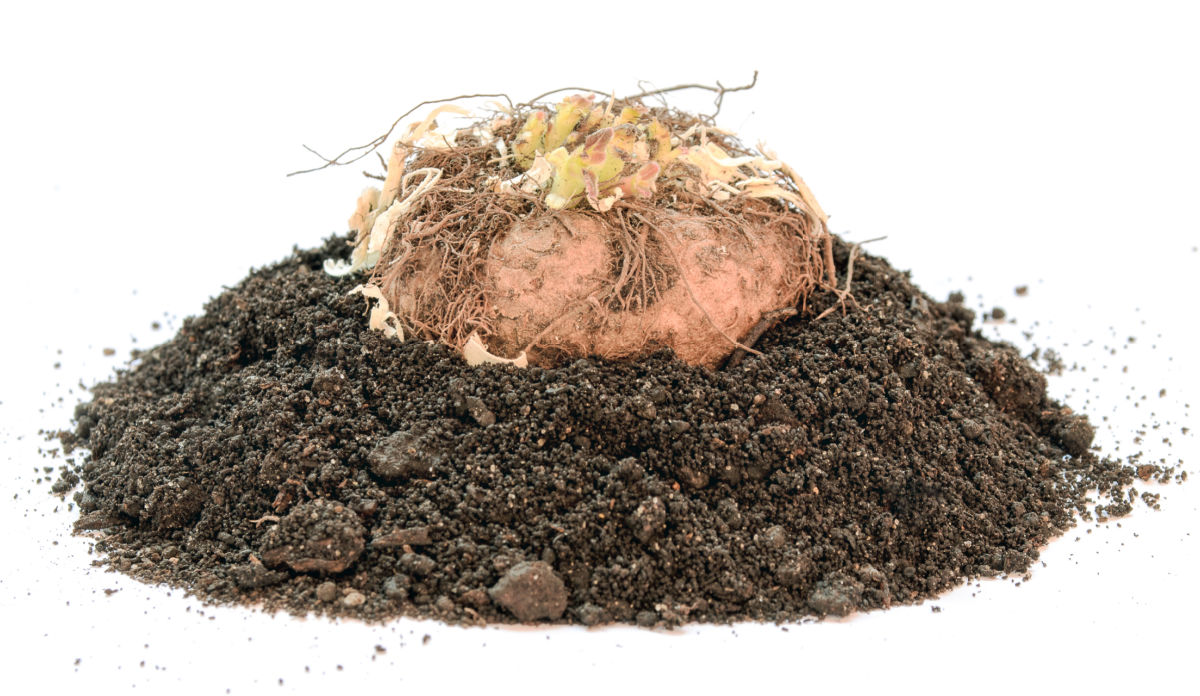
If you would like to keep your plant for another season, follow these steps:
- Remove the spent flowers as they fade.
- Care for it as you would any other houseplant while the leaves are still healthy and actively growing.
- Watch for signs of dormancy: slowing growth, yellowing leaves, and foliage naturally beginning to die back.
- Gradually reduce the watering as the foliage begins to die back.
- Stop fertilizing the plant.
- Allow the foliage to die naturally, then remove the dead leaves.
- Keep the dormant tuber in its pot in a cool, dark location for about 2-4 months.
Can gloxinia rebloom?
Yes, you can try to rebloom a gloxinia, but success isn’t guaranteed – especially with florist-grown plants sold in bloom around the holidays.
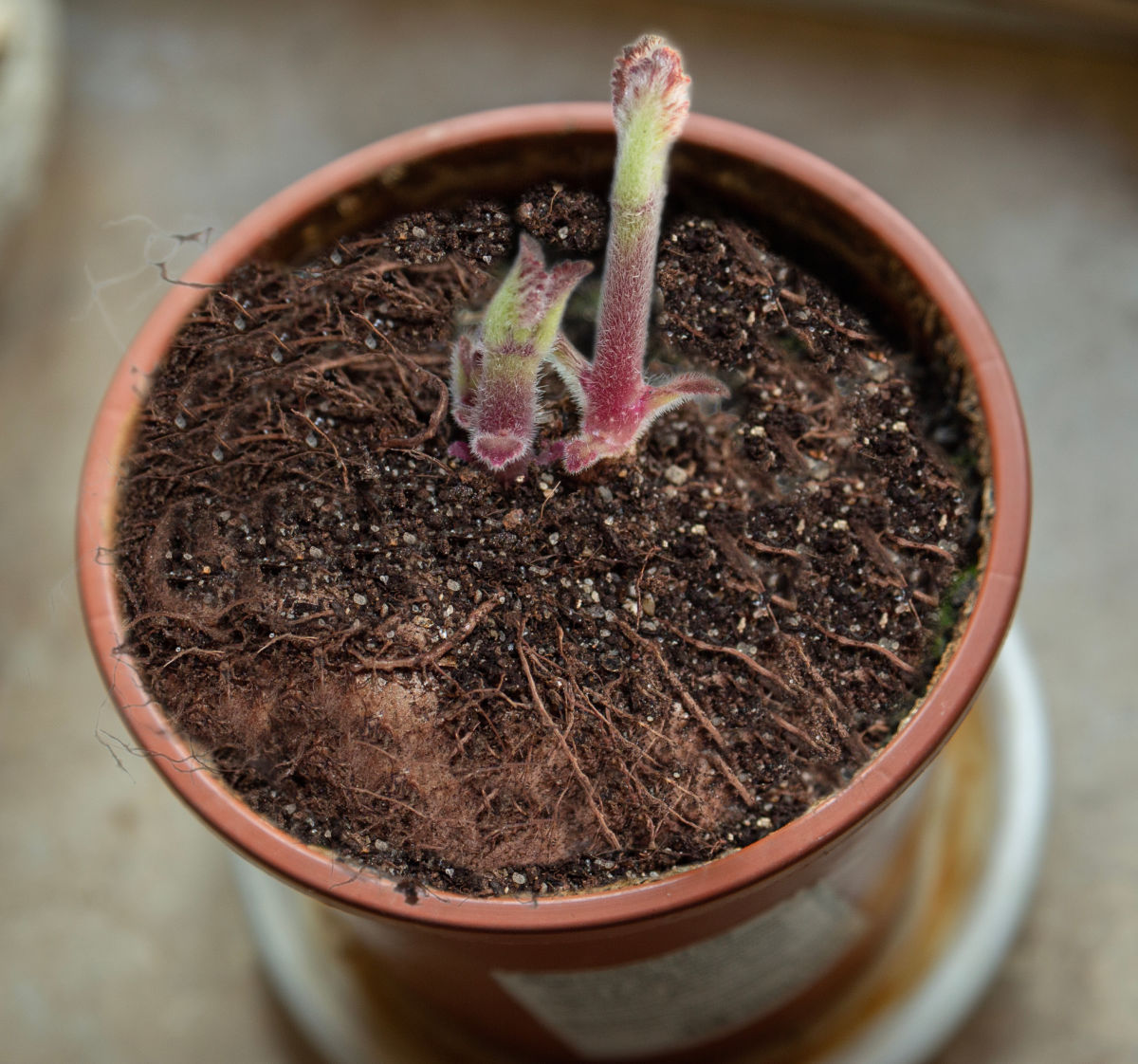
Once the tuber begins producing new growth, dormancy is ending, and you can begin the next growing cycle:
- Watch for new growth from the dormant tuber.
- Repot the tuber in fresh potting mix, if needed.
- Return the pot to a location with bright indirect light.
- Resume watering gradually as new growth develops.
- Begin feeding once the plant is actively growing.
Gloxinia propagation
The easiest way to propagate gloxinias is from leaf cuttings. You can also propagate gloxinias from seeds and division of the tuber.
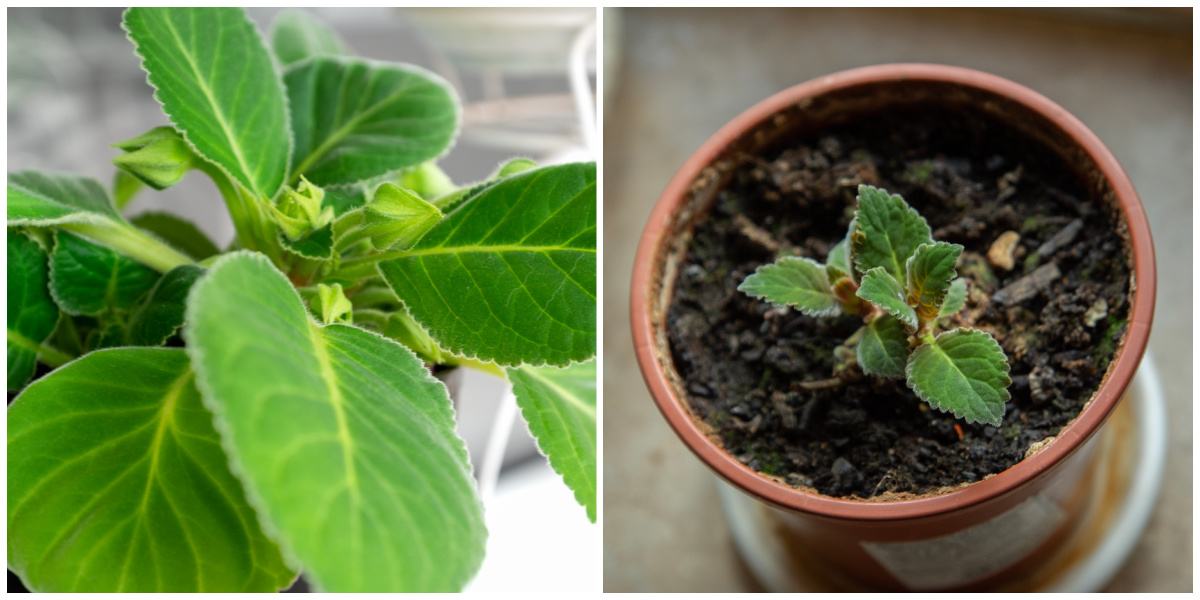
To propagate from cuttings, follow these steps:
- Cut off healthy leaves with a sharp knife, leaving about 1 inch of stem.
- Lay the leaves on a tray or shallow container of moistened seed starting mix.
- Make several cuts across the major veins on the underside of the leaves.
- Optional step: Brush the leaves with hormone rooting powder.
- Lightly water the soil mixture, keeping it moist but not soggy.
- Cover the container with clear plastic to maintain humidity and place it in a location with bright, indirect light.
- New plantlets will eventually develop where the leaf veins were cut.
- Gradually remove the plastic wrap from the container as the new plants develop and begin growing.
- When the plantlets have grown roots and are about 1 inch tall, carefully separate them and transplant them into small containers.
Gloxinia common problems
Here are some common problems you may encounter when growing gloxinias.
- Brown spots on leaves: This can be due to fungal diseases, sun scorch, or because of water sitting on the foliage.
- Gloxinia leaves curling or wilting: Underwatering or excessive heat can both cause this.
- Gloxinia not flowering: Too little light could be the cause, or this can happen naturally as the plant enters dormancy.
- Flower buds falling off: Temperature changes, low humidity, and watering problems can be the reason this happens.
- Gloxinia tuber doesn’t sprout: The plant may be in dormancy.
- Tubers have rotted: This is generally due to overwatering.
- Pests that may affect gloxinias: Be on the lookout for aphids, mealybugs, scale, or fungus gnats.
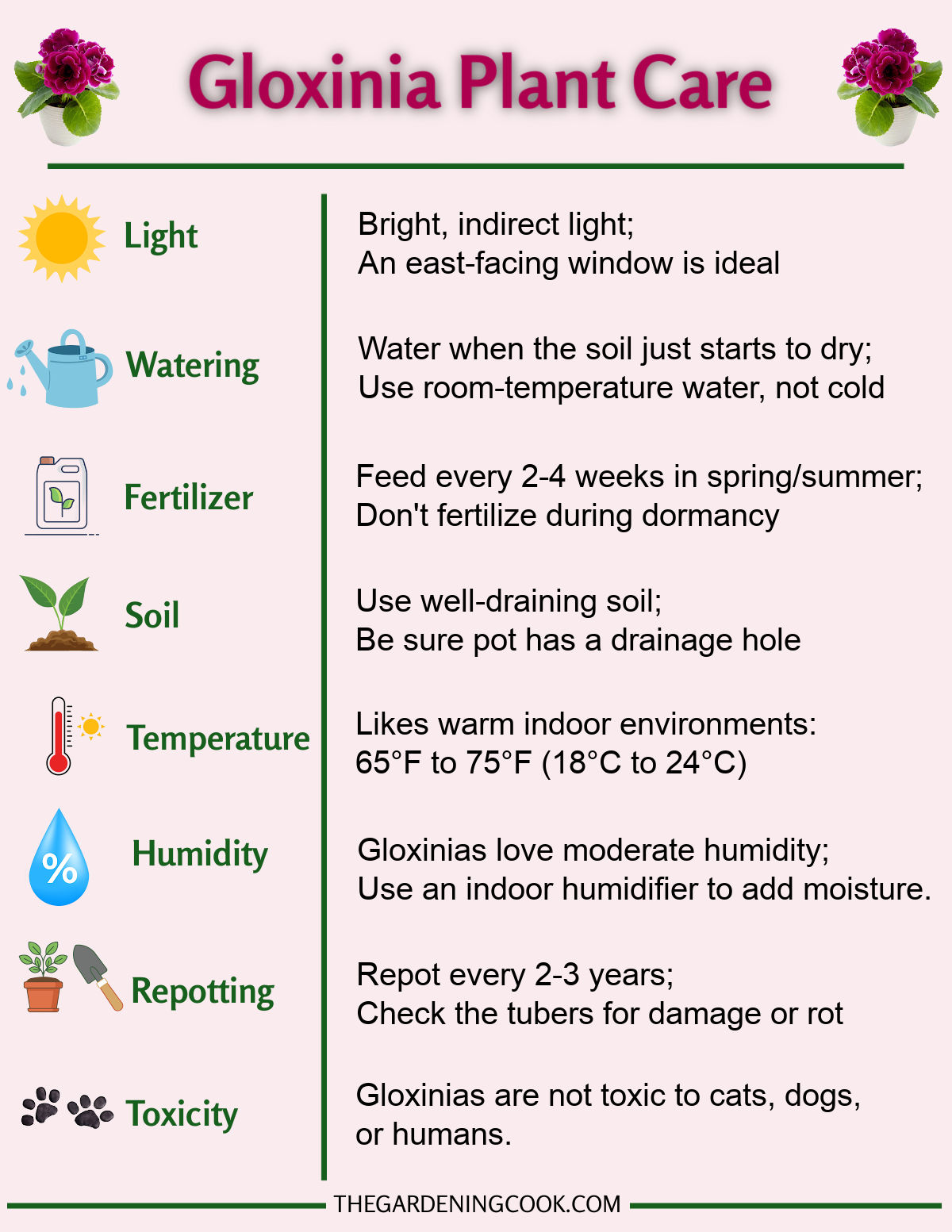
Gloxinia care printable
You can print the gloxinia care printable as high-resolution JPGs or PDFs by using the links below:
Printing instructions:
- Select portrait orientation and “fit to page” on your printer settings for a full-page printout.
- You can also print out the care tips from the project card at the bottom of this page. Scroll down to the card and press “print”.
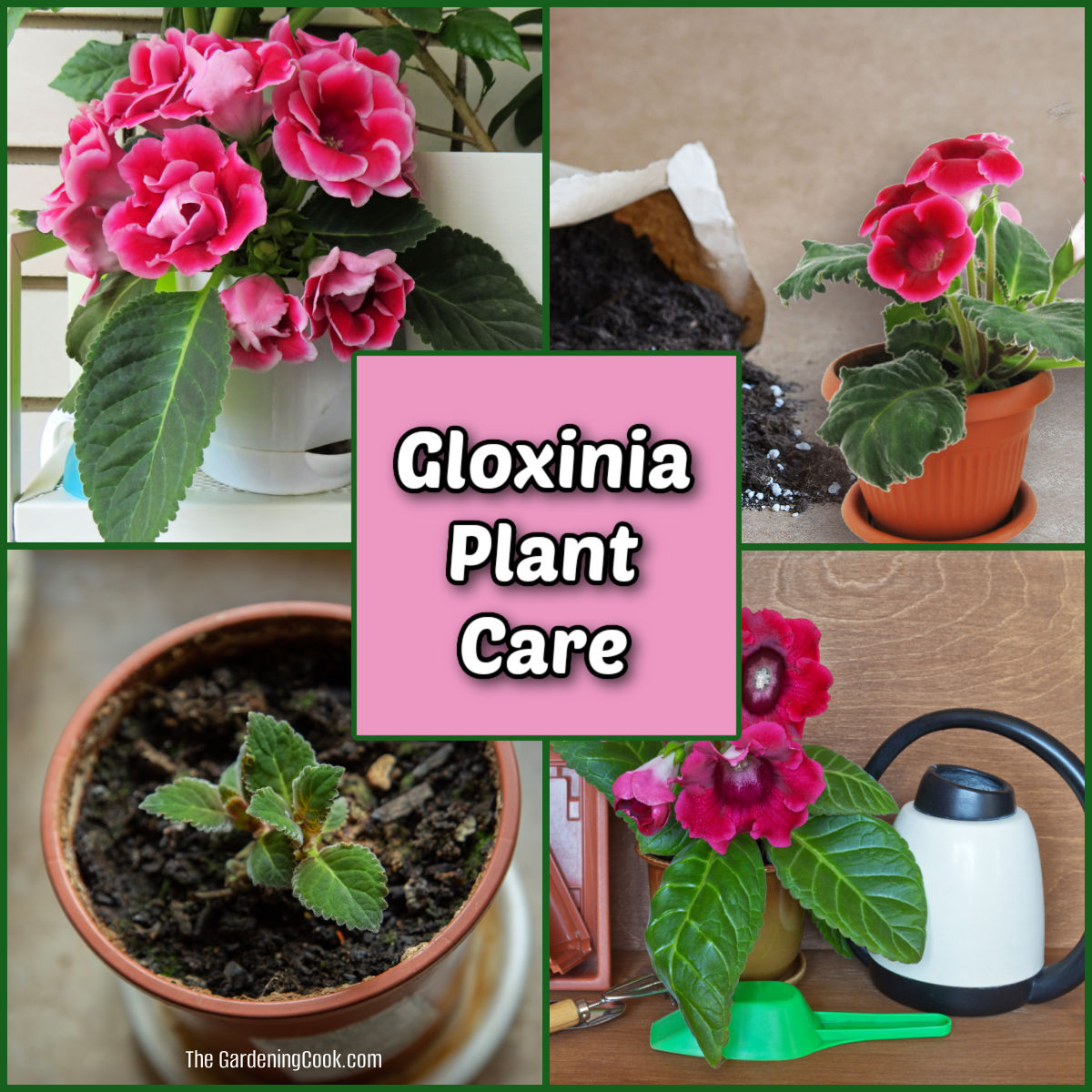
Share this guide to the care of gloxinias on X
If you enjoyed learning how to grow gloxinia houseplants, why not share this guide with a friend?
🌸 Growing gloxinia indoors? Learn how to keep those beautiful, velvety flowers looking their best with simple gloxinia care tips! 🌿 Plus, find out what to do when it finishes blooming, how dormancy works, and whether you can get it… Share on XPin this post for the care of gloxinia houseplants
Would you like a reminder of this guide to gloxinia plant care? Pin this image to one of your gardening boards on Pinterest so that you can easily find it later.
You can also watch this YouTube slideshow video about caring for gloxinia indoor plants!
Gloxinia Care Card Printable - Sinningia Speciosa
A quick reference for growing gloxinia indoors, including light, watering, soil, temperature, humidity, feeding, and humidity needs.
Materials
- Computer paper
Tools
- Computer
- Printer
Instructions
- Load your paper into your printer.
- Using the print function on this card will give you a gloxinia care printable that fills about ¾ of an 8.5 x 11-inch sheet of paper.
- Choose portrait layout and, if possible, "fit to page" (or 125%) in your settings.
- Prefer full-page printing? You can also print the guide as a high-resolution file using your browser’s print feature: (PDF) | (JPG).
- Please note that creating free printables can be a time-consuming process. This gloxinia care guide is for personal use only. If you are sharing it (and thank you for that!), please link directly to this post, rather than to the actual image. We appreciate your help in supporting the site.
- This printable may not be used for any retail purpose or for mass distribution.
Notes
Recommended Products
As an Amazon Associate and member of other affiliate programs, I earn from qualifying purchases.