
Concrete Block Garden Bed – Easy DIY Raised Bed Using Concrete Blocks
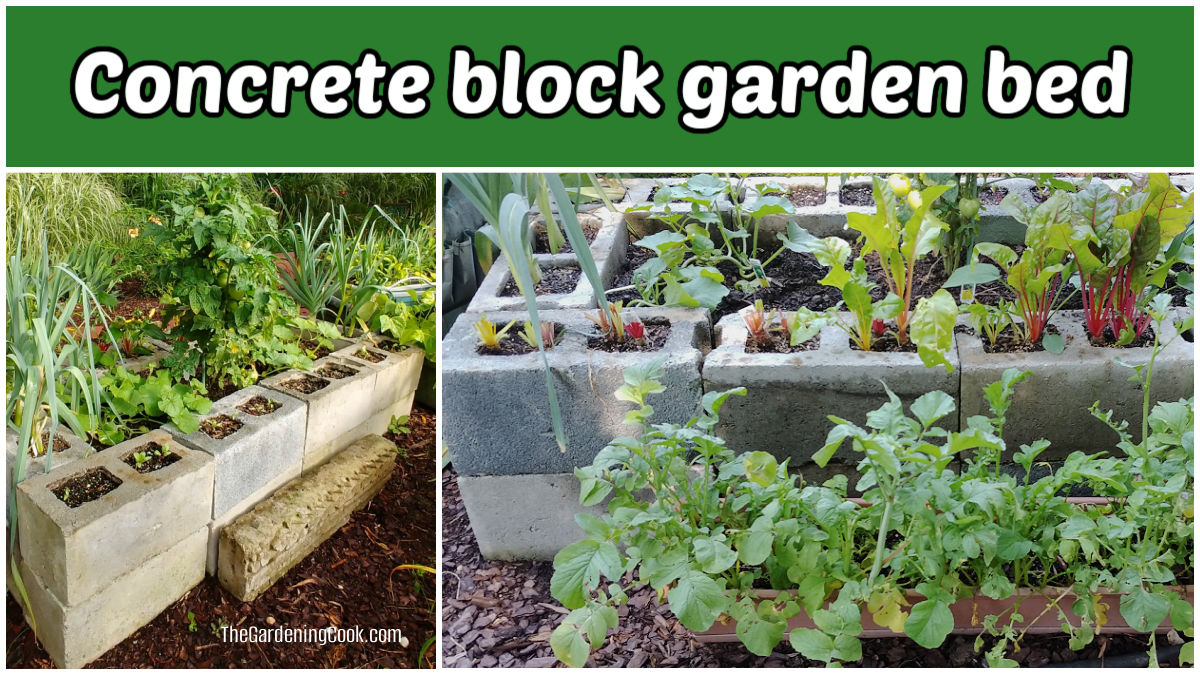
A concrete block garden bed is an inexpensive and durable way to create a raised garden without any complicated construction. Using standard concrete blocks, you can build a sturdy planting bed in just a few hours and customize the size to fit your garden space.
These raised beds are often called concrete block or cinder block garden beds, depending on the type of block used.
We built two concrete block raised beds in our vegetable garden and have found them to be easy to assemble, long-lasting, and ideal for growing a variety of crops. The hollow openings in the blocks can even be used as extra planting pockets for herbs, flowers, or companion plants.
In this guide, I’ll show you how we built our concrete block garden beds, how many blocks were needed, whether concrete blocks are safe for growing vegetables, and the steps we used to plant them to maximize our vegetable crop.
Some of the links below are affiliate links. I earn a small commission, at no additional cost to you, if you purchase through an affiliate link.
Are concrete blocks safe for vegetable gardens?

Many gardeners wonder whether concrete or cinder blocks are safe for growing vegetables. Readers often ask whether materials in the blocks could leach into the soil.
For our raised beds, I chose to err on the side of caution and sealed the blocks before planting vegetables. Many gardeners use concrete and cinder blocks without sealing them, but I preferred the extra peace of mind for these reasons:
- Some concrete blocks contain fly ash, a byproduct of coal combustion, which may contain trace amounts of heavy metals.
- Concrete blocks can also contain lime, which may leach into the soil over time, although this is not generally considered harmful to people.
- The University of Maryland Extension notes that “cement block, cinder block, and concrete block are made with cement and fine aggregates such as sand or small stones. Fly ash is also often included.”
- If this is a concern, you can seal the blocks with a concrete sealer or polymer-based masonry paint before filling the bed with soil.
How many concrete blocks are needed for a raised bed?
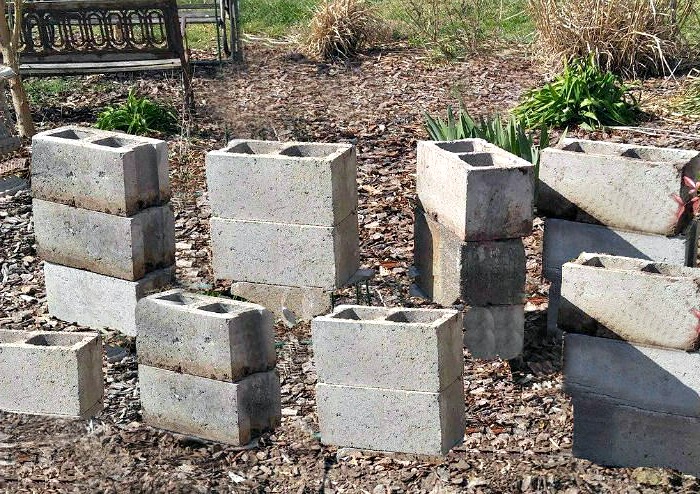
You will need 20 concrete blocks to build a two-row rectangular planter measuring 60 inches x 30 inches (152 x 76 cm).
- Using two rows will require more soil, but it makes the bed easier to weed, tend, and harvest.
- My concrete blocks measured 15 inches long (38 cm).
- The sides of my planters had double rows of four blocks (16 blocks).
- The ends used a pair of blocks on top of each other (4 blocks).
Supplies for the concrete block planter
To make this raised garden bed, you’ll need these materials and tools:
Materials
- 20 concrete blocks
- 5 bags of topsoil
- 3 bags of compost
- 1 large bag of garden soil
- Concrete sealer (Optional)
Tools
- Rake
- Spirit level
How to build a concrete block planter
My small space gardening plan features two of these cement block raised planters, surrounded by more large individual planters. This allows me to grow an entire season of vegetables in a very small area.
Level the base
- To make sure the base of your concrete block planter is level, rake the area first.
- Fill any low spots with soil.
Build the front of the planter

- Lay 4 concrete blocks in a row.
- Use a spirit level to check that the row of blocks is level.
- If not, add more soil under the blocks to get them even.
- Once this is done, add a second layer of blocks on top of the first row.
Build the ends of the planter

- To form the ends of the planter, place a single block, facing in a 90-degree direction to the sides of the planter.
- Add a second block on top of it.
- Repeat these two steps on the other end of the front section.
Build the back of the planter
- The back of the planter is made the same way as the front.
- It is composed of two rows of four blocks.
- When you are done, you will end up with a long rectangular box with a large open center.
Seal the blocks
- Paint the inside areas of the planter with concrete sealer or polymer paint.
- Paint the inside of the top openings of the blocks, as well.
- Allow the sealer to dry completely.
Optional step: Paint the outside of the entire planter. This is not needed for safety reasons, but it will help to keep the soil from drying out as quickly.
Adding soil to the concrete raised bed

These cement block planters can take a lot of soil to fill, which can be expensive. The soil I used to fill this raised bed was a mixture of 60% topsoil, 30% compost, and 10% good quality potting soil.
This is how to keep the cost down:
- Fill the small openings on the lower blocks with topsoil.
- Fill the small opening of the top blocks with potting soil.
- Add topsoil to the bottom layer of the large open section.
- Added a good helping of compost as a second layer.
- Top with Miracle-Gro potting soil.
This will save money and give a great soil for growing vegetables.

How to plant the concrete block garden bed

The layout for our vegetable garden features two concrete block garden beds, each surrounded by vegetables in pots. This allows for a wide range of vegetables to be grown in a very small footprint.
To get the most out of this concrete block garden bed, keep in mind the size of each section in the planter. Some sections are perfect for large plants. Others, along the edges, are better for more compact plants.
What to plant in the center area
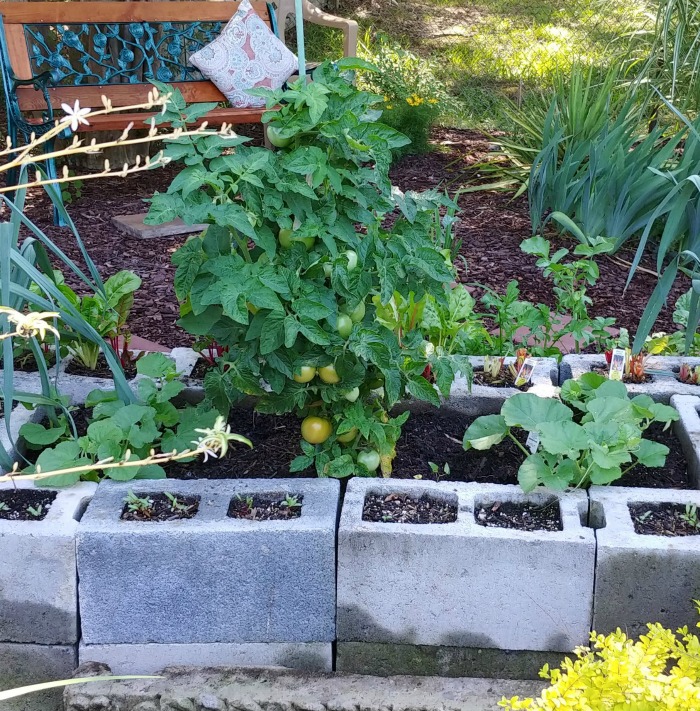
The larger center section is perfect for larger plants and those that have vines that crawl along the soil. My choices for one of the planters were:

Since we made two of these planters, the other one held these plants:
- Indeterminate tomatoes
- Underplanted with cucumbers

What to plant in the openings of the concrete blocks
The open areas along the edge of the raised vegetable garden bed hold plants with a small, upright growth habit. For these sections, choose plants with a small crown that are upright and will not spread too much.
In these sections, I had two plantings. The first was an early planting of cool-weather plants that tend to bolt and turn bitter when the summer heat arrives.
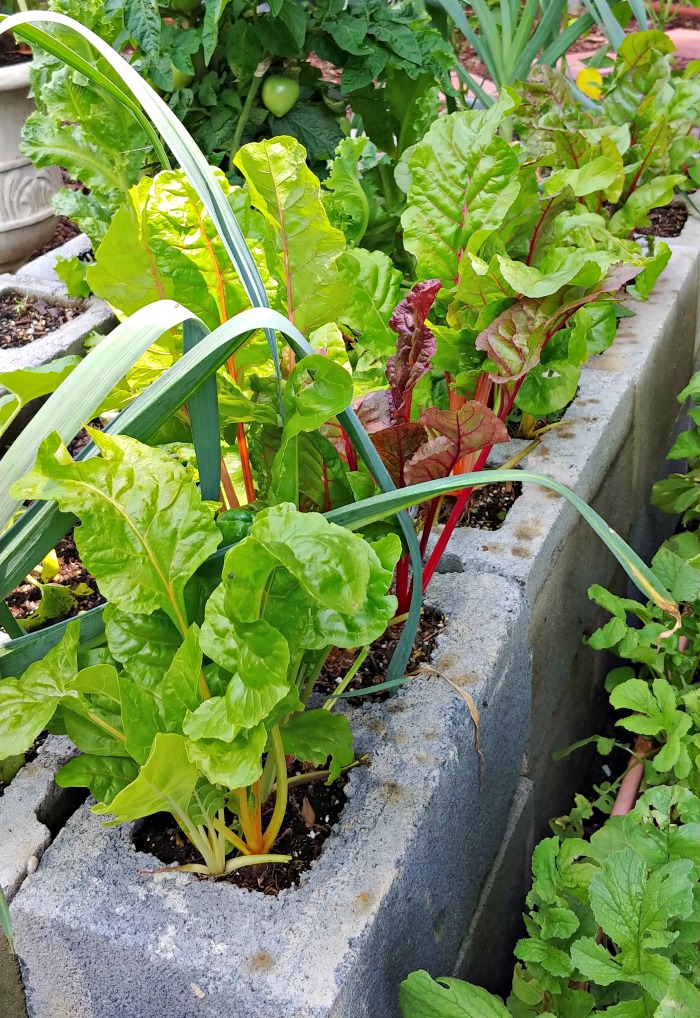
These are some good choices:
- Spinach
- Kale
- Romaine lettuce
- Leaf lettuce
- Swiss chard
Second planting for these small sections

Once the cold-weather plants have been harvested, you can add some smaller plants that will take the heat. Good choices are:
- Bush green beans
- Beets
- Leeks
- Broccoli
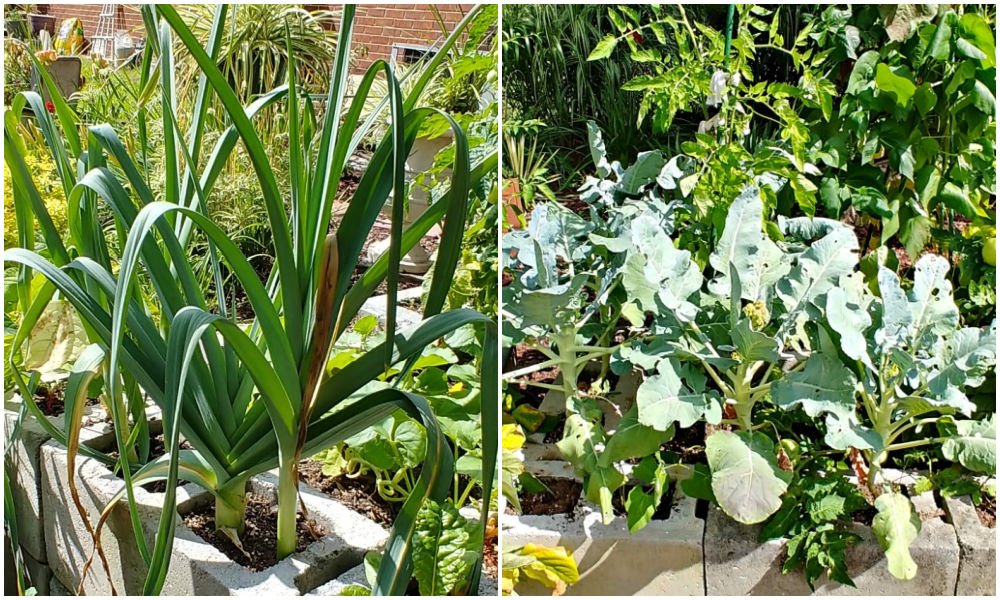
Surround the concrete block planter with veggies in pots
To expand the footprint of the two raised beds, surround the outside edges with vegetables grown in pots. This allows you to keep to the spirit of small space gardening while you increase the output of vegetables.
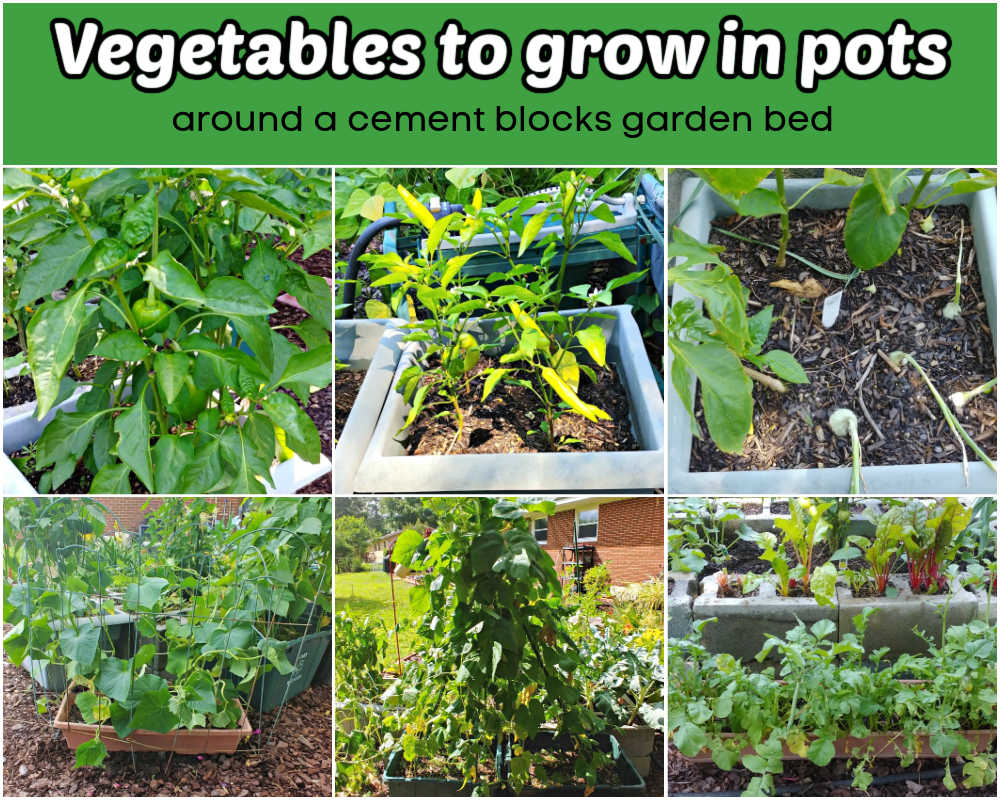
These vegetables grow well in large pots:
- Bell peppers
- Chili peppers
- Onions
- Cucumbers on trellises
- Pole beans growing up a teepee
- Radishes
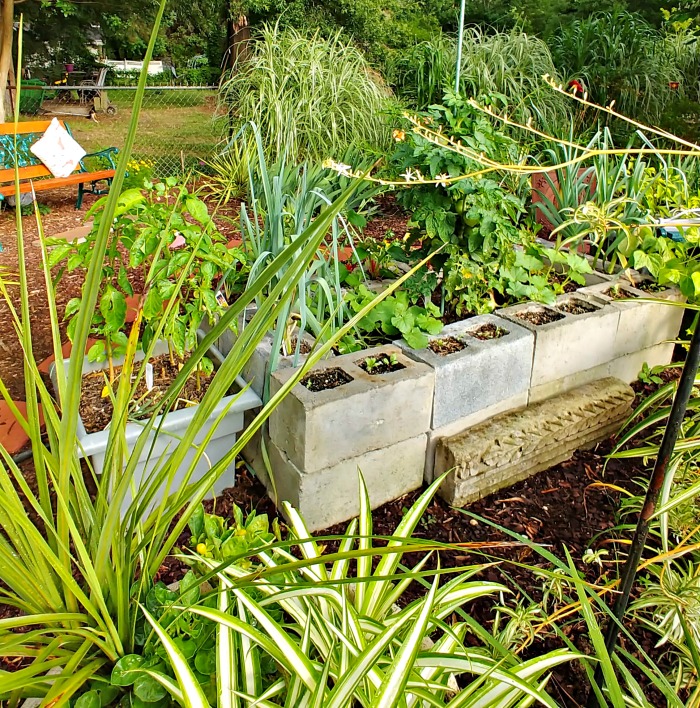
Adding flowers to a concrete block garden bed
Once the vegetable garden is established, adding flowers is an easy way to soften the look of the concrete blocks and attract pollinators to help with crop yield.
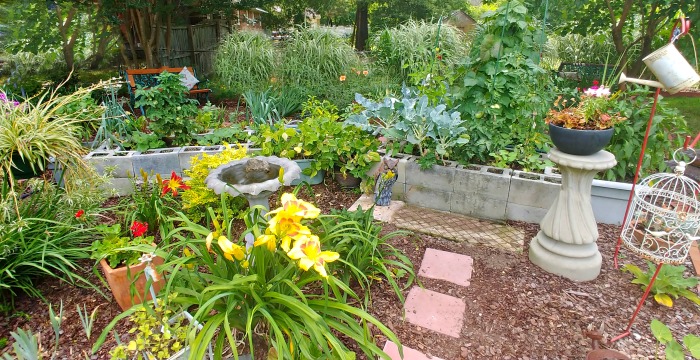
My concrete block garden bed sits in the center of one of my largest flower gardens. I love that both flowers and vegetables blend so cohesively together.
The flowers delight the onlooker, and the vegetables are there – quietly growing, just waiting for me to come out to harvest them. Even though I have a whole vegetable garden in the center of this bed, it doesn’t look so “country vegetable garden,” which appeals to me.

More concrete block DIY projects
If you enjoyed learning how to make this concrete block garden bed, you may enjoy these concrete block projects, too.
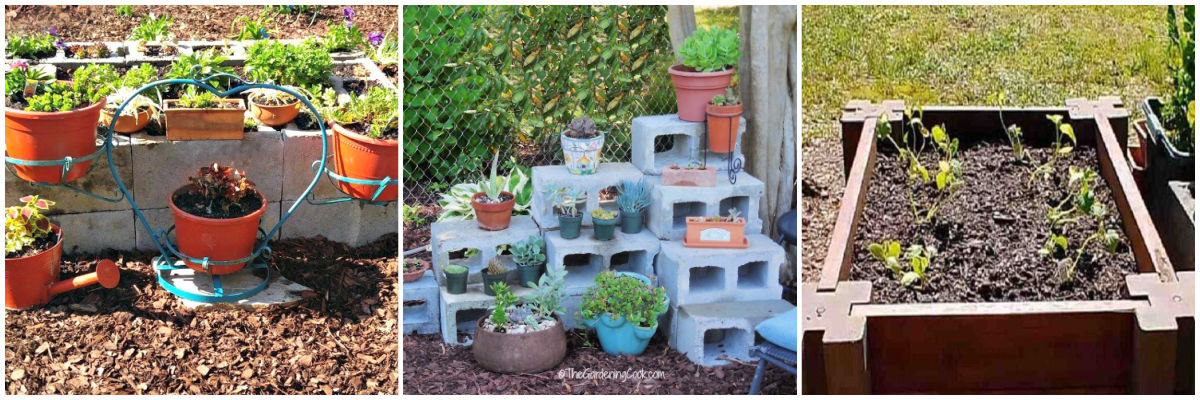
- Concrete block garden bed for flowers – See how I used the same design to grow flowers.
- Concrete block plant shelf – This DIY project is a great way to display succulents.
- Concrete wall block raised garden bed – Cement wall blocks and wood planks are used for this design.
Share this project for a cement block garden bed on X
Do you have a friend with a small backyard who wants to grow vegetables? Please share this project with them on X.
🧱🌱 Thinking about a simple DIY raised garden bed? We built an easy concrete block garden bed in just 4 hours. It’s perfect for growing vegetables, herbs, and even flowers! 🌿🍅🌼 👉 Get the project on The Gardening Cook. #Gardening… Share on XPin This Concrete Blocks Planter Tutorial for Later
Would you like a reminder of this post for a raised bed vegetable garden? Pin this image to one of your gardening boards on Pinterest so that you can easily find it later. 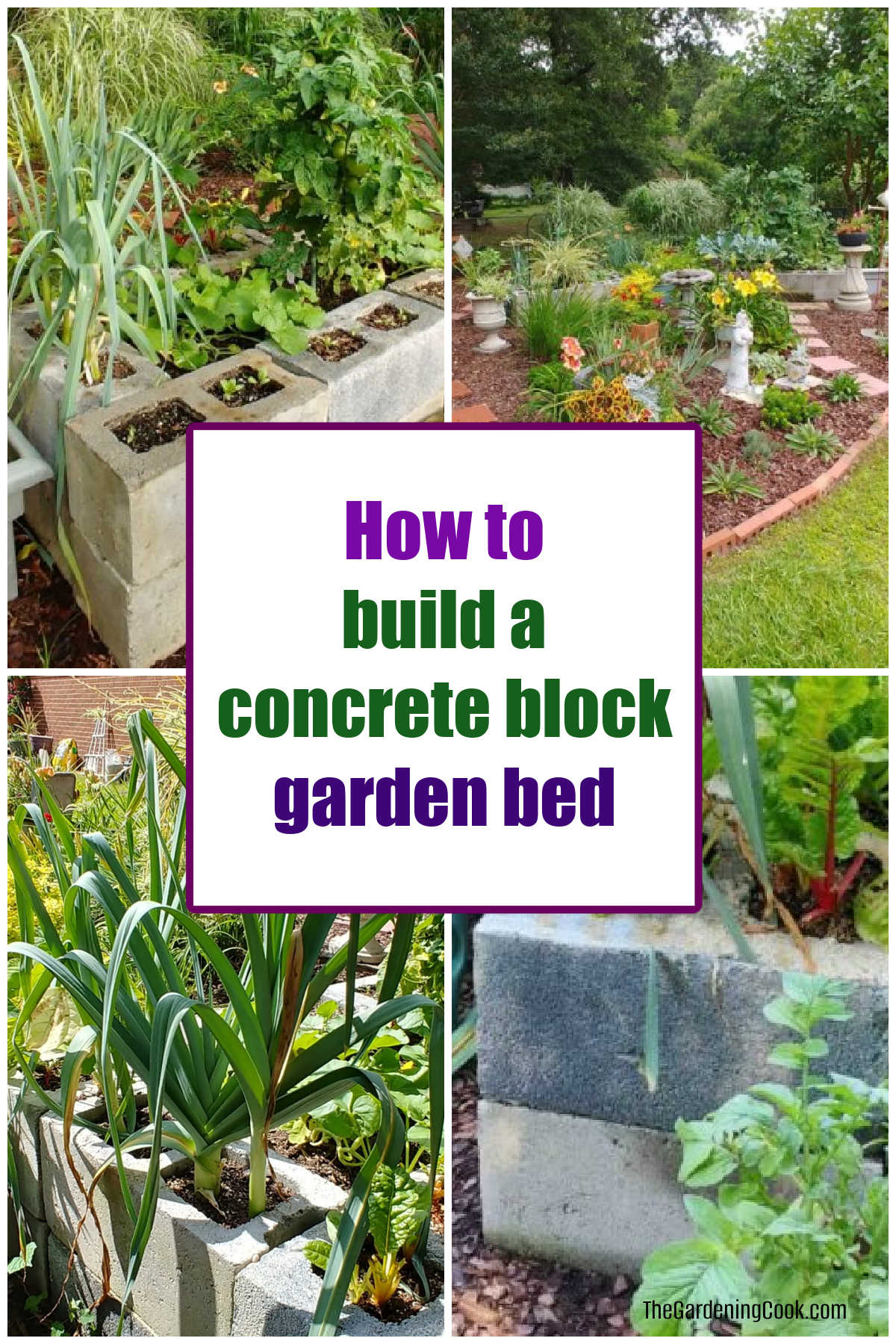
Admin note: This post first appeared on the blog in June of 2013. I have updated the post to add the tutorial, all new photos, a printable project card, and a video for you to enjoy.
How to Build a Concrete Block Garden Bed

Learn how to make a simple raised garden bed using concrete blocks. This easy DIY project is inexpensive, durable, and perfect for growing vegetables and flowers.
Materials
- 20 concrete blocks
- 5 bags of topsoil
- 3 bags of compost
- 1 large bag of good quality soil
- Concrete sealer or polymer paint
- Vegetable plants or seeds
Tools
- Rake
- Spirit Level
Instructions
- Rake the area where you plan to have the raised bed sitting.
- Lay four blocks in a line and use a spirit level to make sure the row is even and level.
- Lay an additional four blocks on top. These two rows makes the front section.
- Place two blocks on each end of the row to make the sides of the planter.
- Repeat step 3 for the back section.
- Seal the inside of each of the small top holes and also the entire inside area of the center section to protect the vegetables from any harmful chemicals leaching out into the soil.
- Allow the sealer to dry completely according to the manufacturer's directions.
- OPTIONAL: If you wish, you can seal the entire outside of the planter. This will help to keep the soil from drying out as quickly as one that is not sealed.
- Fill the small holes and center section soil that is a mixture of 60% topsoil, 30% compost and 10% good quality garden soil.
- Plant small vegetable plants or seeds in the small sections along the edges.
- Plant the middle area with plants that are larger and like to roam.
- Enjoy!
Notes
Plants to choose for small sections:
Beets, leeks, spinach, lettuce, Swiss chard, broccoli, Brussels sprouts, etc.
Plants to choose for center section:
Tomatoes, Bush Beans, Cucumbers, Melons, Peas, Corn, etc.
NOTE: The cost of the planter depends on whether you choose to make it double sided or single sided rows of blocks. I also approximated on the soil costs depending on whether you had to purchase new potting soil, or have existing garden soil and compost that can be used.
Recommended Products
As an Amazon Associate and member of other affiliate programs, I earn from qualifying purchases.
-
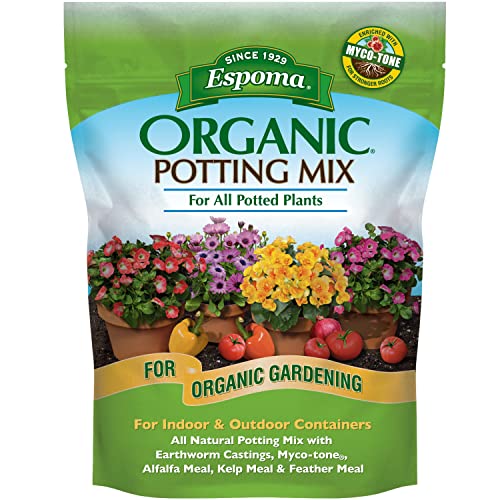 Espoma AP8 8-Quart Organic Potting Mix
 -
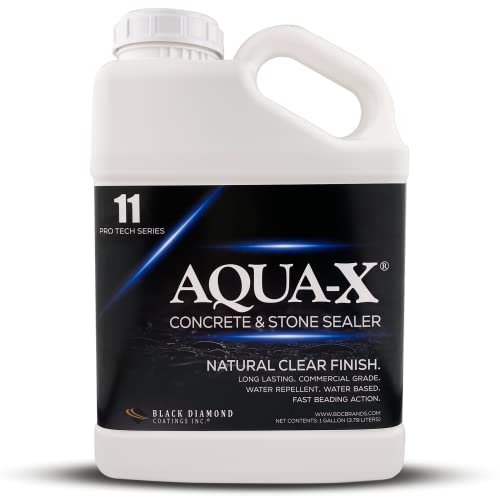 1 Gallon AQUA-X 11 Clear, Penetrating Concrete Sealer – Mold and Mildew Inhibitor
 -
 Heritage Survival Seed Vault 25 Year Storage Life. Fruit Herb and Vegetable Heirloom Seeds. 85% Germination Success for Doomsday Preparedness Peace of Mind. Emergency Supplies in a .30 Cal Ammo Box.


You have really put this great effort.
betonaloka thanks alot
Greetings.
I’m doing double stacked concrete block raised beds this year.
I have a concern with losing soil from between the blocks, as
you can never get a perfect fit. Have you found this to be an issue?
Regards.
Mike
Hi Mike. I’ve never found that he soil escapes from the side, but it does settle in time and will need topping up. This comes from compaction due to rain.
I would be more concerned about the chemicals in the polymer sealant. I can’t even work with that stuff without getting a wicked headache. I can’t imagine it would be good for food to be growing in soil in direct contact with it.