
Plants That Close at Night
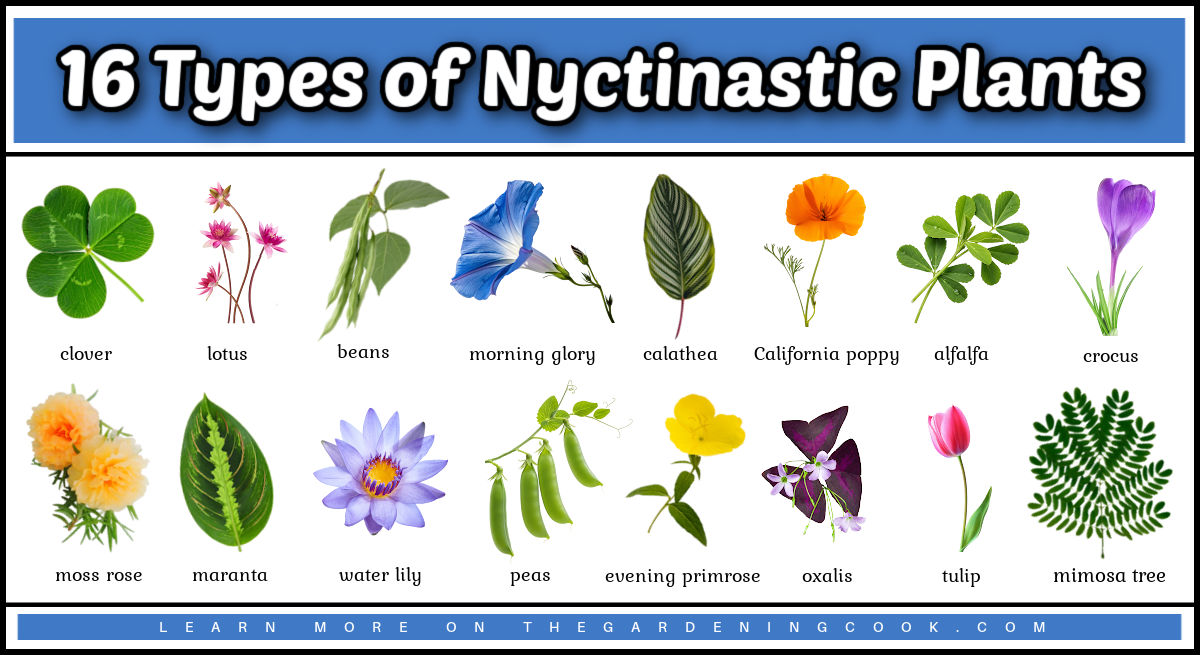
Plants that close at night include a wide range of garden plants, houseplants, trees, shrubs, and legumes that fold their leaves or close their flowers in response to changes in light. This natural behavior, known as nyctinasty, is part of the plant’s daily rhythm.
If you’ve noticed a plant folding its leaves after sunset or closing its blooms in the evening, there is usually no cause for concern. It is a normal response to changing light conditions and part of the plant’s natural growth cycle.
This type of movement is called nastic movement, where plants respond to environmental stimuli such as light and darkness.
In this guide, you’ll find examples of plants that close at night, and learn why they do it and how nyctinastic movement works.
Some of the links below are affiliate links. I earn a small commission, at no additional cost to you, if you purchase through an affiliate link.
Below you will find a list of common plants that exhibit flower or leaf closing at night. They demonstrate the different ways plants respond to changing light levels. Some may surprise you!
The plants include true nyctinastic species as well as some plants that have similar light-responsive movements.

Plants with leaves that close at night
Many of the most familiar examples of this behavior involve plants that fold or close their leaves as light levels change over 24 hours.
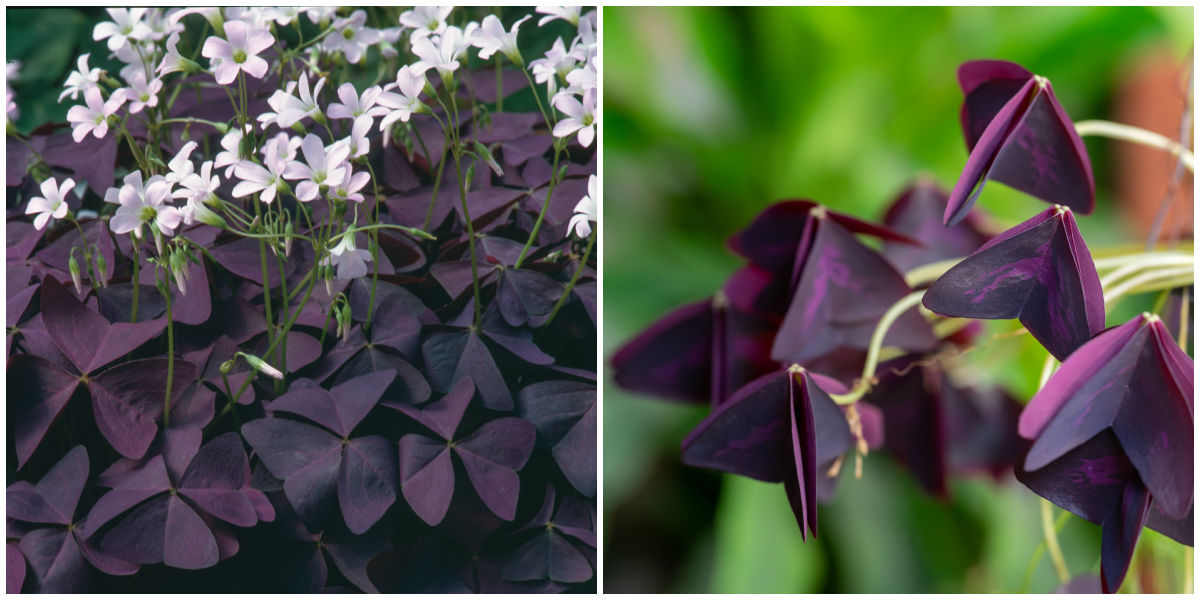
Oxalis (Oxalis triangularis)
Oxalis (False shamrock) is one of those plants that looks like it’s going to sleep at night, as its leaves close at night. If you want to grow your own, so you can watch this nyctinastic behavior, here’s a guide to growing oxalis.
- Plant type: Flowering perennial
- Night behavior: Leaflets fold downward as light fades and flowers close at night
Purchase an oxalis plant with leaf folding properties here.

Prayer plant (Maranta leuconeura)
Maranta leaves fold vertically at night, resembling hands in prayer. This gives the popular indoor plant its common name “prayer plant”.
- Plant type: Tropical herbaceous perennial
- Night behavior: Leaves fold upward at night and reopen during the day
Shop for prayer plants on Etsy.
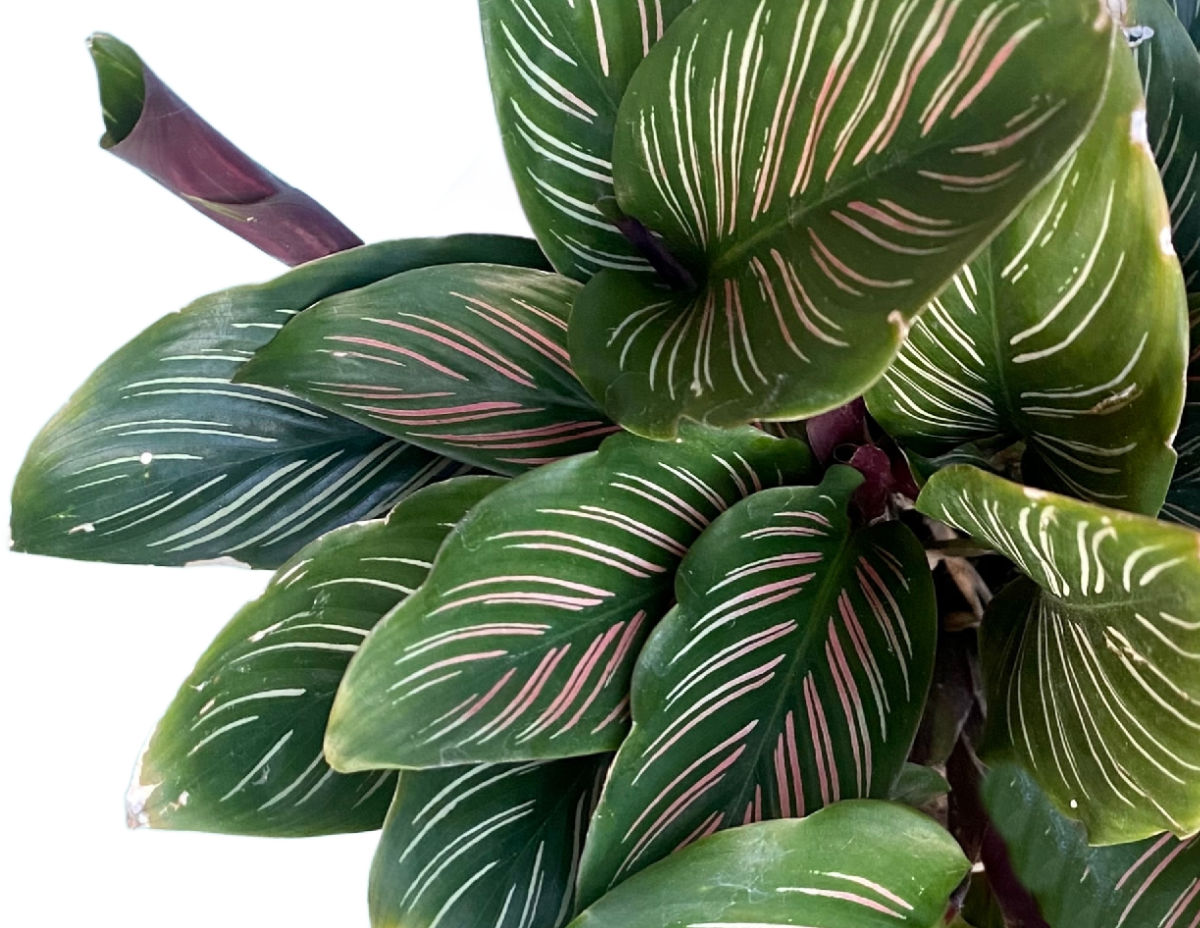
Calathea (Calathea spp.)
Calathea plants are often described as “living plants” because their leaves move in response to the light by opening and closing their leaves.
- Plant type: Tropical herbaceous perennial
- Night behavior: Leaves fold upward at night and lower during the day

Beans (Phaseolus vulgaris)
The leaves of beans almost appear to be going to sleep as the day draws to an end in your garden. To grow beans in your garden, check out this guide to growing green beans.
- Plant type: Annual legume
- Night behavior: Leaflets fold together after sunset
Examples of leaf-folding beans include common garden beans, soybeans, lima beans, and cowpeas.

Peas (Pisum sativum)
The bedtime routine of leaf-folding in peas isn’t because they are tired; it’s a natural response to reduce exposure during the night. To learn how to plant peas, see my guide to growing garden peas.
- Plant type: Cool-season legume
- Night behavior: Leaves fold slightly overnight
Examples of nyctinastic peas include garden peas, chickpeas, and lentils.

Clover (Trifolium spp.)
Clover leaves show off their playful side by folding up at night as a natural response to changes in light and temperature.
- Plant type: Cover crop
- Night behavior: Leaves fold at night and reopen during the day.

Alfalfa (Medicago sativa)
There is a common misconception that alfalfa leaves close at night in response to water stress. In reality, this movement is part of a natural daily rhythm driven by changes in light and darkness.
- Plant type: Forage legume
- Night behavior: Leaves fold together at night and expand in daylight
Etsy has a variety of alfalfa seeds for sale.
Flowers that close at night
Many annual, perennial, and bulb plants have flowers (with or without leaf folding) that open and close in response to light. Here are some popular examples:
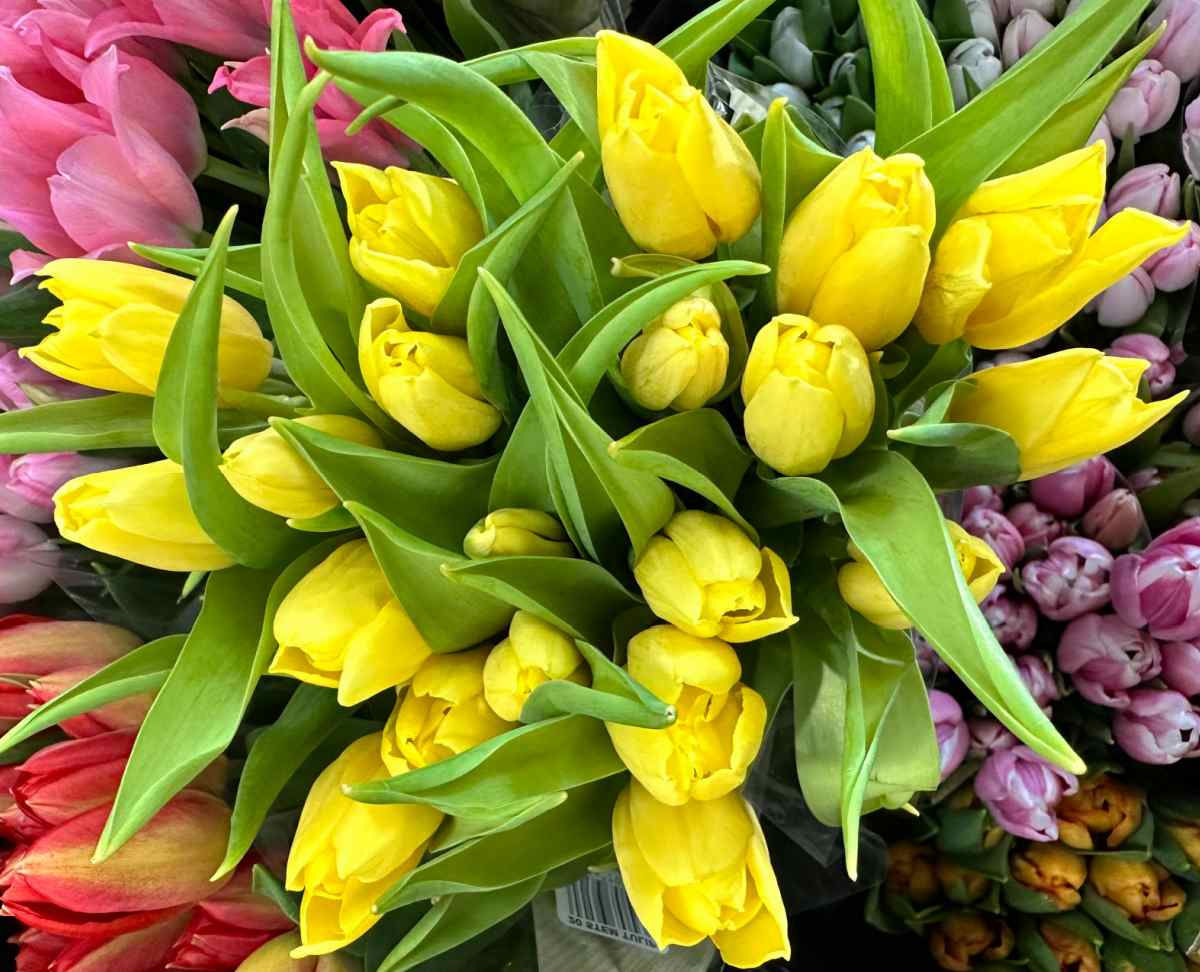
Tulip (Tulipa gesneriana)
Tulip flowers close at night and during cool, cloudy weather, helping protect their pollen and other reproductive structures. They cleverly reopen when conditions improve, making the flowers more accessible to pollinators. See my guide to growing tulips in warm weather here.
- Plant type: Perennial bulb
- Night behavior: Petals close tightly at night and open in daylight or cloudy weather
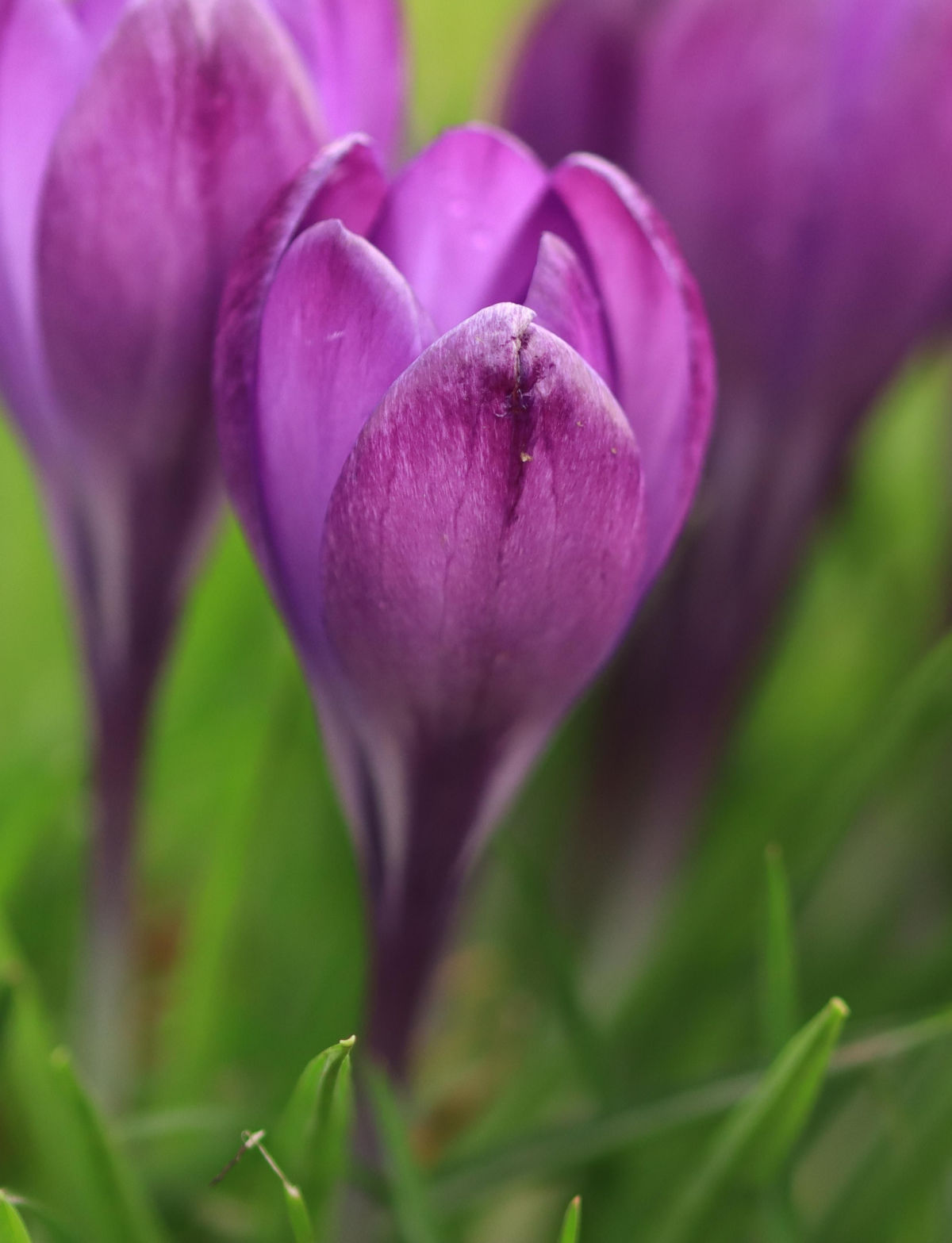
Crocus (Crocus)
Fun fact: In his book “The Power of Movement in Plants” in 1880, Charles Darwin theorized that the closing of the plant flowers was a defense mechanism to reduce the risks of freezing and prevent heat loss on cold nights. Modern consensus is that this behavior is more related to protecting pollen.
- Plant type: Perennial bulb
- Night behavior: Petals tightly close at night or in overcast weather, and reopen in daylight
See this flower closing in person with your own crocus bulbs from Etsy.
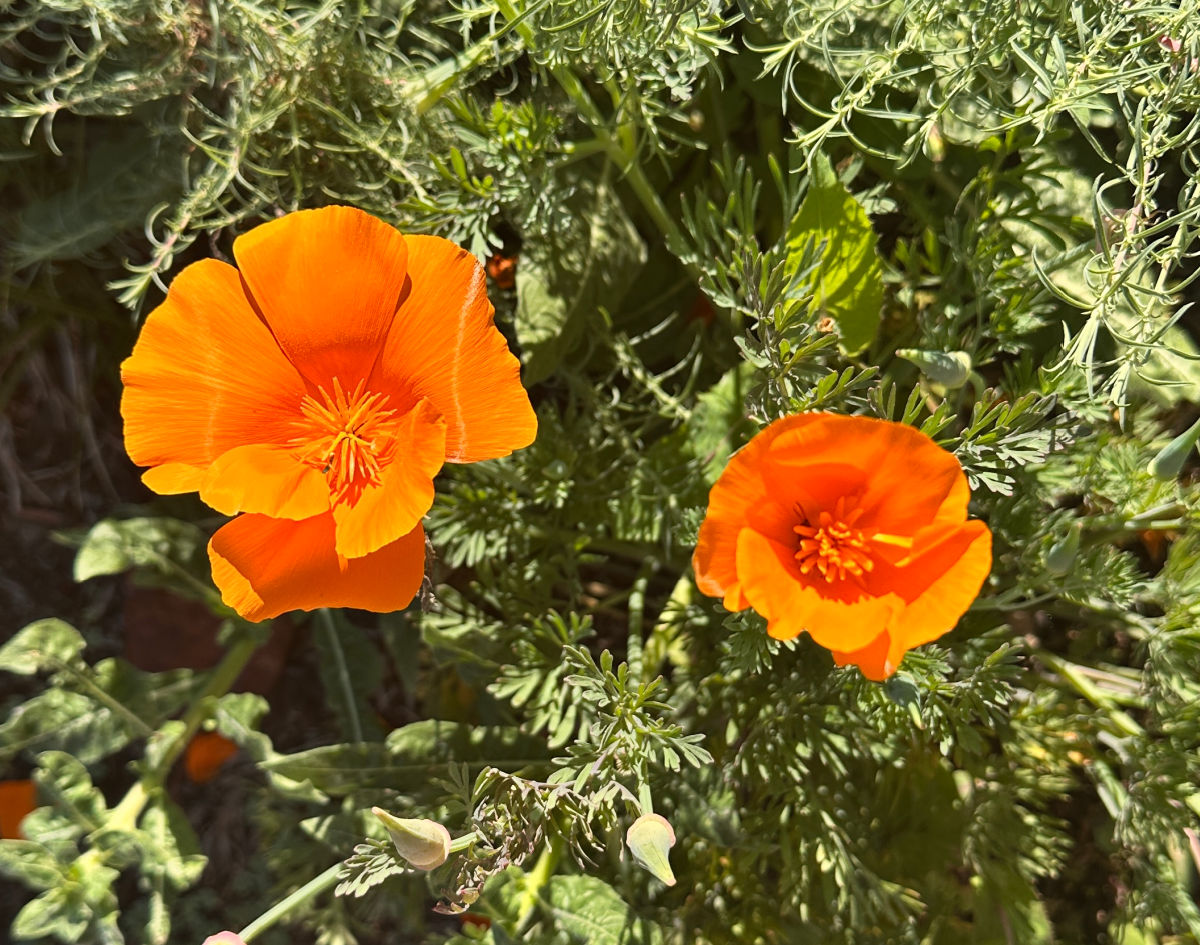
California poppy (Eschscholzia californica)
It is not just at night that California poppy flowers close up. They also do this in cloudy, overcast, and windy weather. Modern botanists believe this may happen to keep the pollen dry.
- Plant type: Herbaceous perennial
- Night behavior: Petals fold up at night, or in cloudy or windy weather, and open in the day
Purchase California poppy seeds here.
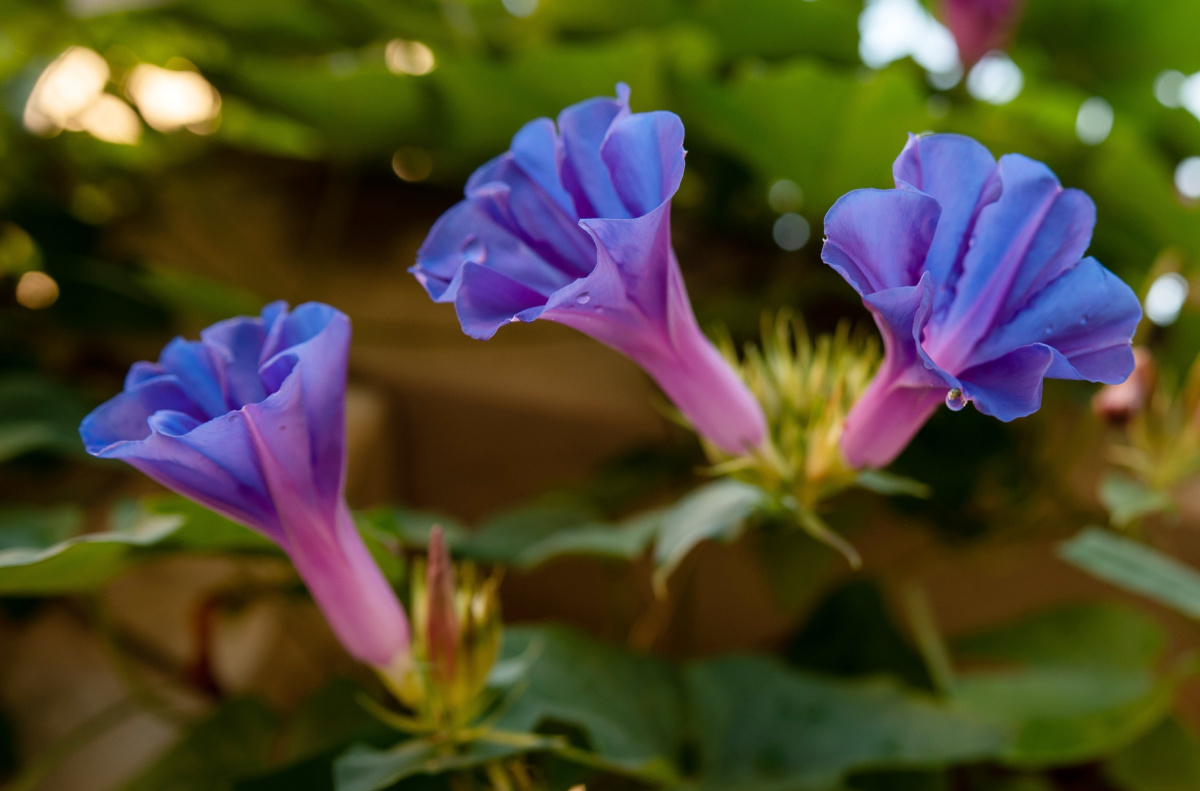
Morning glory (Ipomoea purpurea)
The opening of morning glory’s flowers each day acts as a botanical alarm clock, allowing it to greet morning pollinators like bees and butterflies.
- Plant type: Annual or perennial vine
- Night behavior: Trumpet-shaped flowers fold shut at night and reopen at dawn
Plant morning glory seeds in your garden so you can watch them open and close.
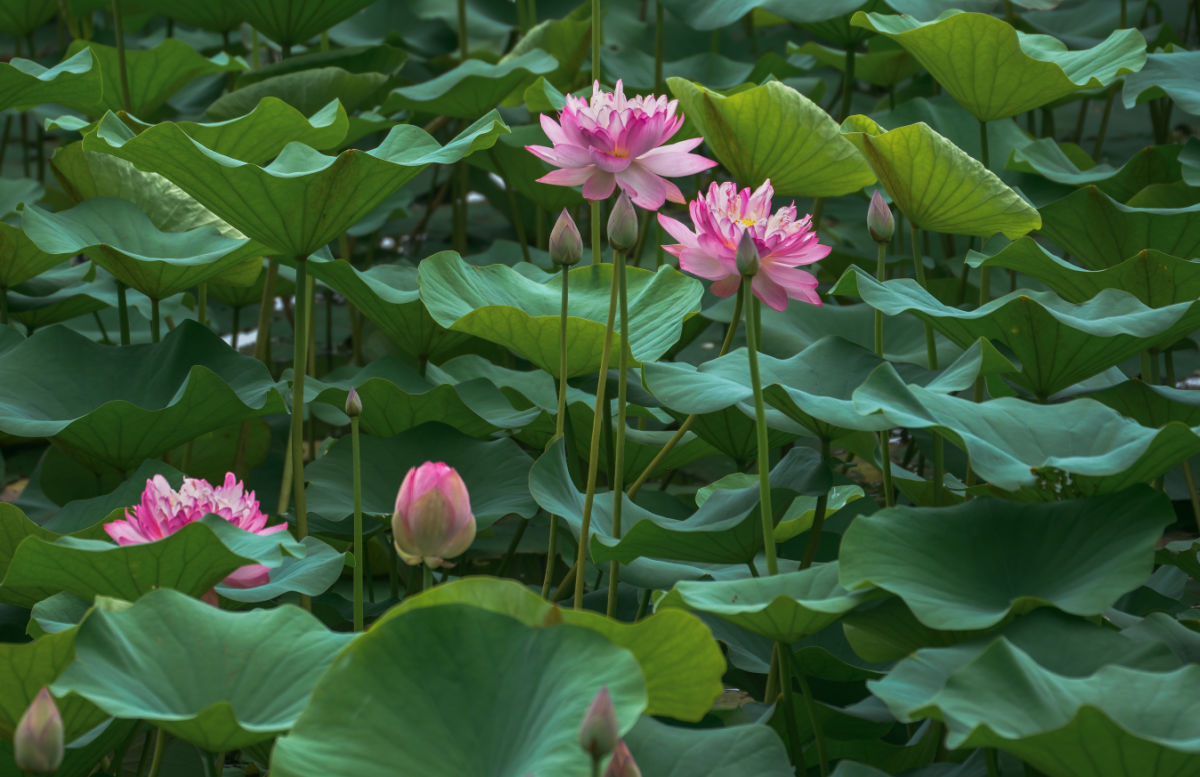
Lotus (Nelumbo nucifera)
Lotus leaves may adjust their position and angle throughout the day and night in response to light and environmental conditions, but they do not fold shut. The flowers, however, open during the day and close in the evening during their bloom cycle.
- Plant type: Aquatic perennial
- Night behavior: Blossoms close tightly together at night and open at the first light of dawn
Do you have a water feature in your yard? Purchase lotus plants so you can watch their flowers open.

Water lily (Nymphaea)
The closing and opening behavior of water lily flowers helps them to prevent heat loss and allows the flowers to retain core temperatures overnight in cool aquatic environments.
Check out this post for details of my visit to the San Angelo International Water Lily Collection. We were there in the early morning and saw this in practice!
- Plant type: Aquatic herb
- Night behavior: Petals close at night and reopen their blooms during the day
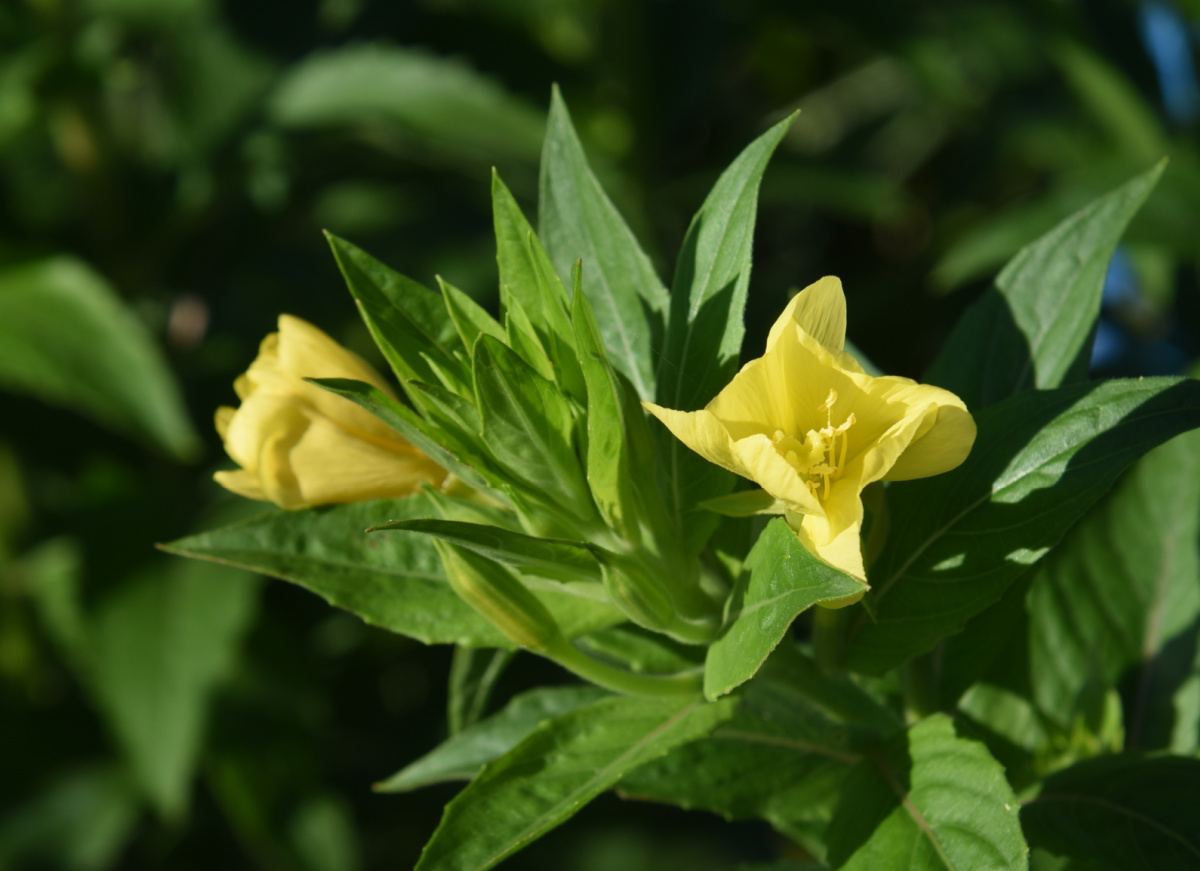
Evening primrose (Oenothera biennis)
Evening primrose follows a different rhythm from many day-opening flowers. Instead of opening in daylight, its blooms open at dusk and remain active through the night, then fade or close the following day. This timing aligns with pollination by sphinx moths and other night-flying insects.
- Plant type: Biennial or perennial (depends on type)
- Night behavior: Flowers open at dusk and close the following day
Does your garden have night pollinators? Shop for evening primrose plants and seeds to attract even more of them.
Plants that open and close with light changes
Some flowers are often included in lists of plants that close at night because their blooms visibly open and close throughout the day. However, not all of them follow the same biological pattern as true nyctinastic flowers.

For example, gazanias and some daisies often close their blooms in low light or cloudy weather and reopen in bright sunshine. Their movement is more strongly tied to changing light conditions than to an internal day and night rhythm, but the effect can look very similar in the garden.
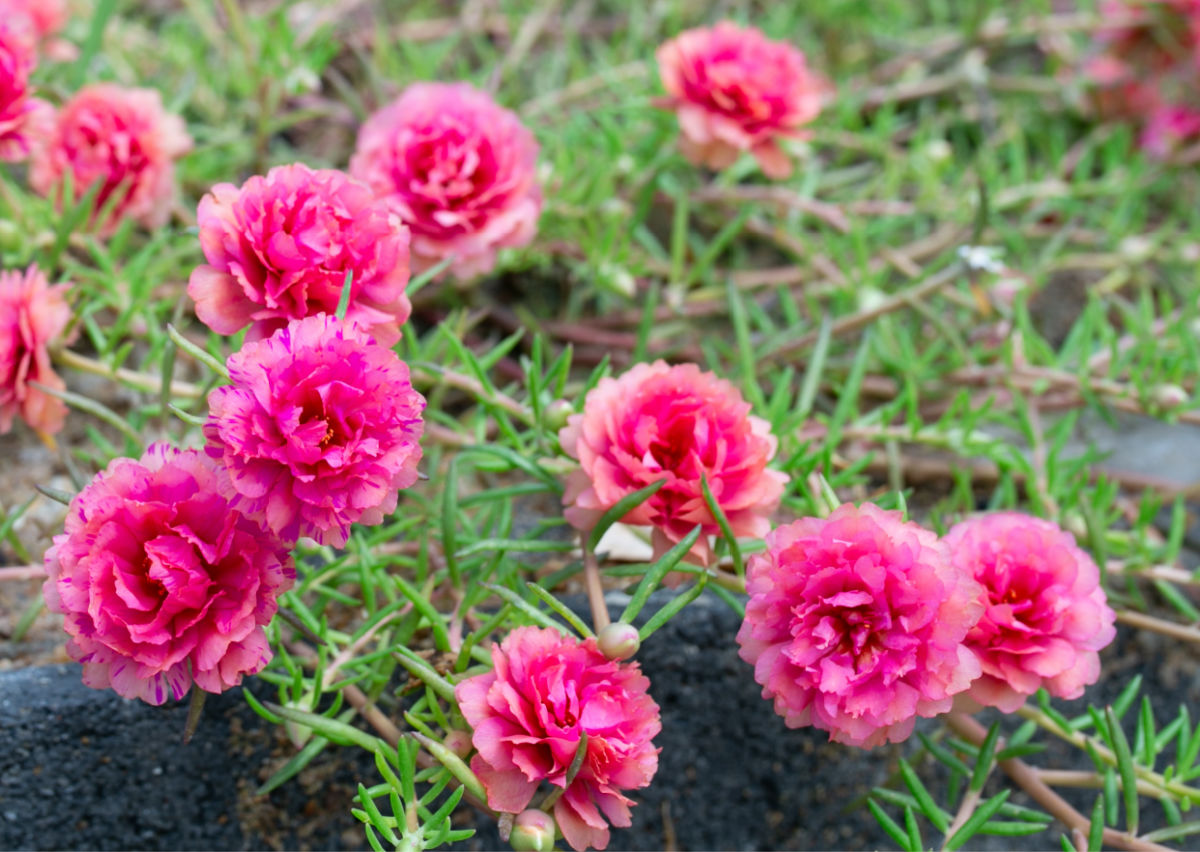
Moss rose (Portulaca grandiflora) – (A light and weather-sensitive flower)
Moss rose is often called the “Eleven O’Clock Flower” because of its light and weather-sensitive behavior, where its flowers often stay shut on cloudy days. They open when the sun reaches a specific angle, and the temperatures warm up.
This feature gives Moss rose a different rhythm from true night-closing plants.
- Plant type: Tender succulent
- Night behavior: Flowers close tightly as light fades or clouds move in, and open widest in bright sunshine.
Purchase moss rose for your garden here.
Trees with night leaf movement
Night leaf movement in trees is observed mainly in members of the legume family.
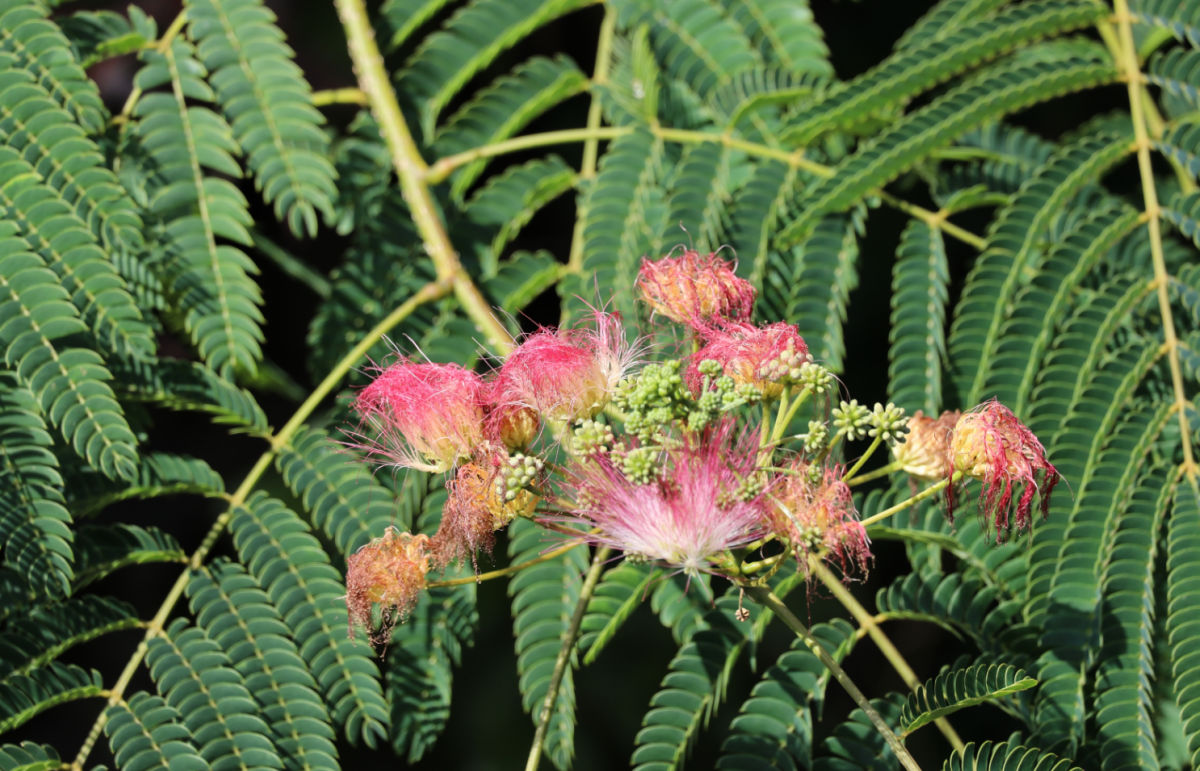
Mimosa (Albizia julibrissin)
The folding leaf behavior of the mimosa tree is controlled in part by an internal biological clock rather than only by the absence of sunlight. Even when kept in continuous darkness for a time, the leaves may continue to “wake up” and “go to sleep” on their normal daily schedule.
- Plant type: Deciduous flowering tree
- Night behavior: Fern-like leaflets fold at night and reopen in the morning in response to light cycles.
Get a starter mimosa tree for your garden and watch its leaves fold at night.
Plants with rapid movement (touch response)
There is a single well-known example of a plant that responds quickly to touch rather than changes in light or darkness – it is called the “sensitive plant”.

Sensitive plant (Mimosa pudica)
Unlike the other plants in this guide, Mimosa pudica does not fold its leaves in response to the darkness and daylight cycle. Instead, its movement is triggered by touch, making it one of the most dramatic examples of plant movement.
When you touch its fern-like leaves, they quickly fold inward as a defence mechanism.
- Plant type: Herbaceous tropical plant
- Movement type: Rapid touch response (thigmonasty)
- What triggers movement: Physical contact or vibration
Purchase your own sensitive plant and watch this rapid response in action.
Why plants close at night (Nyctinasty explained)
Plants don’t “sleep” in the way animals do, but many respond to changes in light by folding their leaves or closing their flowers. This movement, called nyctinasty, is a natural response to the day and night cycle.
It is thought to help plants reduce water loss, protect sensitive tissues, or prepare for cooler nighttime conditions. As we have seen, many flowers do this to protect their pollen for morning pollinators.
Some plants also display other types of movement responses, but nyctinasty is the one linked to daily light and darkness cycles.
Names of nyctinastic plants printable
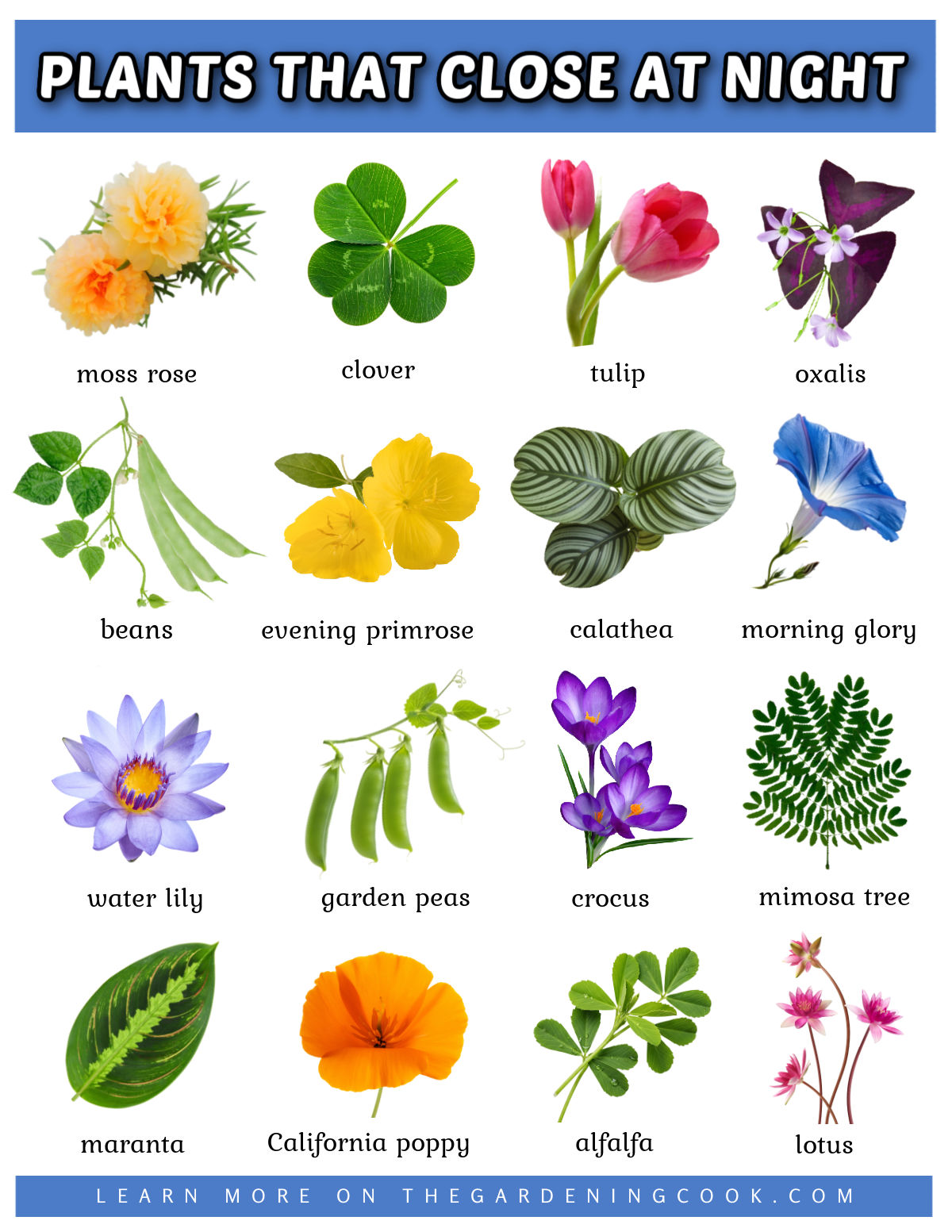
You can print the list of plants that close their leaves and flowers as high-resolution JPGs or PDFs by using the links below:
- Get the high-resolution types of nyctinastic plants printable (JPG)↗
- Get the PDF types of nyctinastic plants printable (PDF)↗
Printing instructions:
- Select portrait orientation and “fit to page” on your printer settings for a full-page printout.
- You can also print out the names and pictures of nyctinastic plants printable from the project card at the bottom of this page. Scroll down to the card and press “print”.

Share this guide to plants that close their leaves at night on X
If you enjoyed learning about nyctinastic plants, why not share this post with a friend?
🌿 Do your plants seem to go to sleep at night? Some plants naturally close their leaves or flowers after sunset and reopen in the morning - a fascinating process called nyctinasty 🌙 Discover 15+ plants that do this (and why it… Share on XPin these plants that close at night for later
Would you like a list of the names and pictures of plants that close up their flowers or leaves at night? Pin this image to one of your gardening boards on Pinterest soyou can easily find it later.
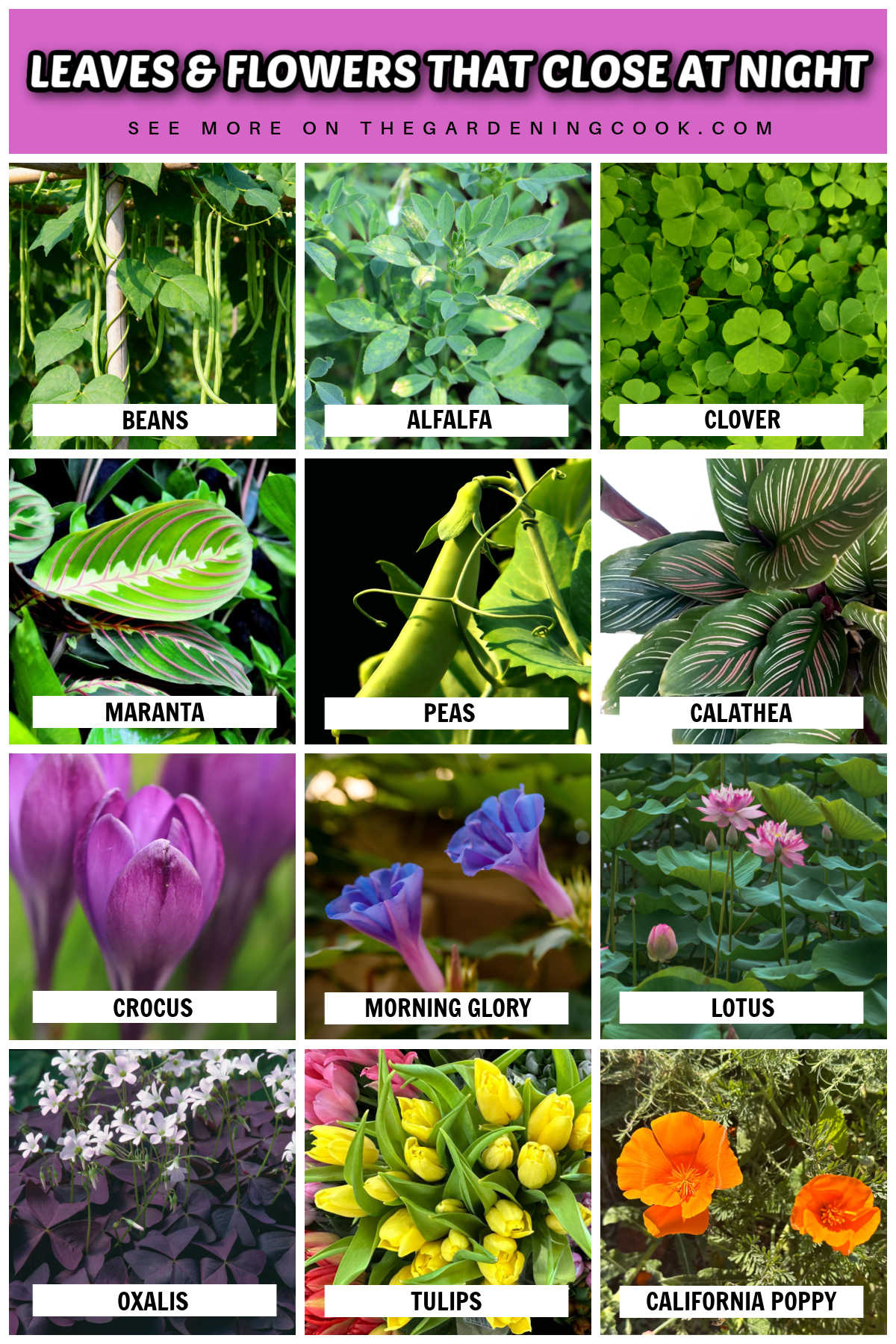
Admin note: This list of names and pictures of plants that close their flowers and leaves at night first appeared on the blog in February 2020. This post has been updated with new photos, a printable list of nyctinastic plants, and a slideshow video.
Plants That Close Their Leaves or Flowers at Night – Quick Reference Guide

Print this quick reference guide to identify plants that fold their leaves or close their flowers at night. Includes examples of legumes, flowers, houseplants, and trees that respond to changing light conditions.
Materials
- Computer paper
Tools
- Computer
- Printer
Instructions
- Load your paper into your printer.
- Using the print function on this card will give you a list of types of nyctinastic plants that fills about ¾ of an 8.5 x 11-inch sheet of paper.
- Select the portrait layout and, if possible, choose "fit to page" (or 125%) in your settings.
- Prefer full-page printing? You can also print the list as a high-resolution file using your browser’s print feature: (PDF) | (JPG).
- Please note that creating free printables can be a time-consuming process. This printable is for personal use only. If you are sharing it (and thank you for that!), please link directly to this post, rather than to the actual image. We appreciate your help in supporting the site.
- This list of names and pictures of plants that close at night may not be used for any retail purpose or for mass distribution.
Notes

Recommended Products
As an Amazon Associate and member of other affiliate programs, I earn from qualifying purchases.



I have found that my large Alocasia elephant ears plants seems to do the same. It raises its leaves up at night so that they’re closer together and then during the day and I can see the leaves separate a bit more.
@Vanessa, I’m noticing the same about mine! We got a new leaf within the last few days, and tonight it is pointing straight up! It’s beautiful 🙂
Honeysuckle locust tree leaves do this
thanks for the tip Sarah.
Hi there!
I bought an Acacia nigrescens plant today and don’t know much about it; the leaves have closed and look limp, is this normal at night?
I’m not aware of this plant being nyctinastic. It sounds like something else is wrong if it is doing this.
My gazania is hydroponic. The grow light is still on, it’s really night and dark but the flower has closed up. That’s wild. We keep the grow light ON for 15.5 hours.
Shamrocks open and close at night! ☘️
Moon flowers are trumpet looking flowers. They close up at night.
My datura (moon plant) closes up its leaves at night. I just noticed it.
I planted 4 seeds only 1 came up but it’s not what I planted,the leaves close up when I bring it in when the sun goes down. How do I find out what it is
You local department of agriculture might be able to help.
Interesting.
I have those little senegalia senegal trees I thought I was preventing them from sleeping by keeping the LEDs on until midnight. But I’m not. I guess I learnt a new thing.
I propagate hundreds of Pride of Barbados plants, and they also close their leaves at night.
Clovers fold their leaves closed at night.
I had a green prayer plant bought at a Target eons ago that was potted in such a way to be in a larger bowl, the stems in one large circle so the when they laid down at night the overlapped each other in a resting circle. The rose each morning to stand in a lovely ring. Never found another like it.
Thanks for the info!!
I have a butterfly pea plant and a Purple Heart that closes their leaves at night.
My Texas star hibiscus flowers open for day sun and close up in the evening.
I’ve grown paraserianthes (cape wattle) from seed and they close their leaves on an evening
Plants are great indoor or out remember if you have pets some plants can be dangerous to pets I appreciate plants they sure are a beautiful