
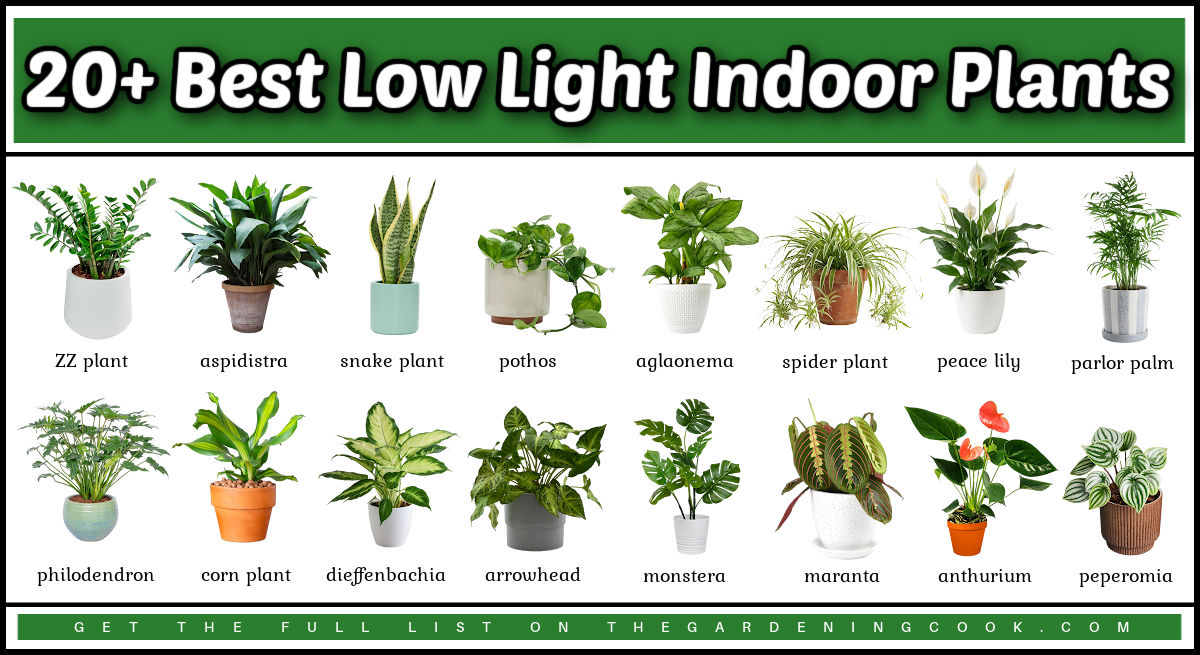
These 21 low-light houseplants include easy-care foliage plants, flowering varieties, and colorful favorites that thrive in rooms with little natural light. This guide compares their care requirements to help you choose the best low-light plants for your home.
Whether you’re decorating a dim living room, brightening a bedroom, or adding greenery to an office, you’ll find low-light plants in a range of sizes, colors, and growth habits.
Browse the plants below to compare their light requirements, key features, and ideal locations in your home or office, making it easier to choose the best houseplants for low light that will thrive in your home.
I’ve also included a printable with pictures and names of low light indoor plants that you can take with you when you go plant shopping.
Some of the links below are affiliate links. I earn a small commission, at no extra cost to you, if you purchase through an affiliate link.
What is considered low light for houseplants?
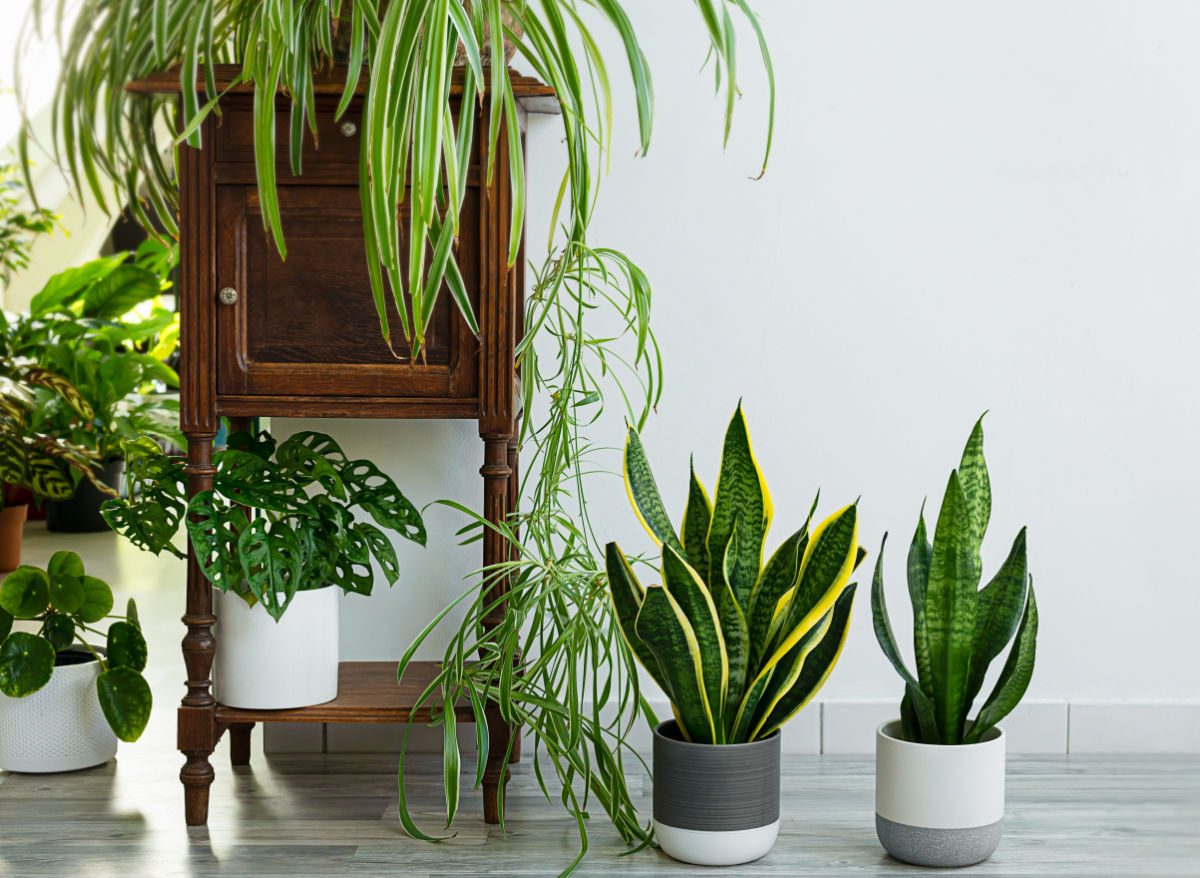
When it comes to houseplants, low light doesn’t mean no light. Even the most shade-tolerant indoor plants need some natural light to grow and stay healthy.
In general, a low-light location receives little to no direct sunlight. This could be a north-facing room, a spot several feet away from a bright window, or a room where trees, porches, or nearby buildings block much of the sunlight.
Use the guide below to find a plant that matches the light available in your home.
- Bright direct light: Several hours of direct sunlight each day, such as a south-facing window.
- Bright indirect light: A bright room with plenty of natural light but little or no sun hitting the leaves.
- Medium light: A spot a few feet away from a bright window or in a room with filtered sunlight.
- Low light: A room with natural daylight but little or no direct sun, such as a north-facing room or space farther from the windows.
Keep in mind that plants usually grow more slowly in lower light and often need less frequent watering than those growing in brighter conditions. Even the easiest indoor low-light houseplants perform best when they receive consistent natural light each day.
Types of the best low-light houseplants
These are the most reliable houseplants that genuinely thrive in low-light indoor conditions and are widely considered the best choices for darker rooms.

ZZ Plant – (Zamioculcas zamiifolia)
- Light: Tolerates low light; grows best in bright, indirect light
- Key features: Extremely drought-tolerant, very low maintenance
- Best use: Offices, low-light corners, beginner-friendly spaces
Want to grow ZZ plant in your home? Check out the full ZZ plant care guide.

Cast Iron Plant – (Aspidistra elatior)
- Light: Tolerates very low light; performs well in low to moderate light rooms, but grows faster in medium indirect light
- Key features: Extremely hardy, slow-growing, very low maintenance, tolerant of neglect
- Best use: Low-light corners, hallways, offices, and other areas with minimal natural light
Shop for a cast iron plant for your space here.
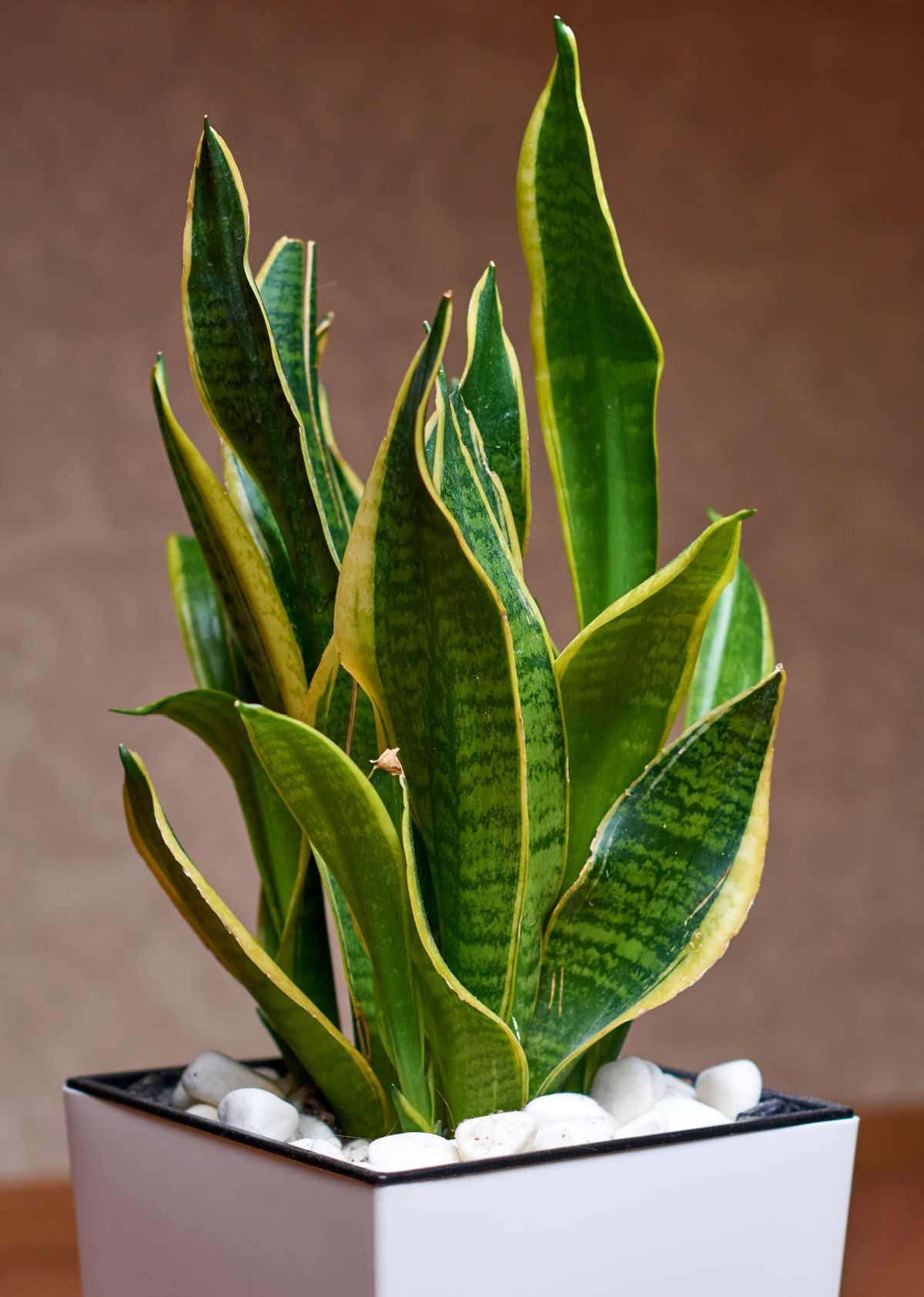
Snake plant (Dracaena trifasciata)
- Light: Tolerates very low light; insufficient light can fade the plant’s vibrant leaf color
- Key features: Extremely drought-tolerant, architectural upright foliage
- Best use: Bedrooms, offices, and low-light interior spaces
See my guide to find out more about growing snake plants here.

Pothos (Epipremnum aureum)
- Light: Tolerates low light but grows faster and becomes fuller in medium indirect light
- Key features: Fast-growing trailing vine, forgiving of irregular care, very easy to propagate
- Best use: Shelves, hanging baskets, and rooms with low to moderate natural light
See my guide for growing pothos and get a free care tips printable. Etsy has a wide range of pothos plants for sale.

Chinese evergreen (Aglaonema)
- Light: Tolerates low light well; variegated types prefer brighter indirect light for best color
- Key features: Attractive patterned foliage, adaptable, slow to moderate growth, low maintenance
- Best use: Offices, bedrooms, and indoor spaces needing decorative foliage in low light
Shop for various colors of aglaonema on Etsy.
Good low-light houseplants
These plants perform well in low light but often grow faster, fuller, or healthier when given medium indirect light when available.
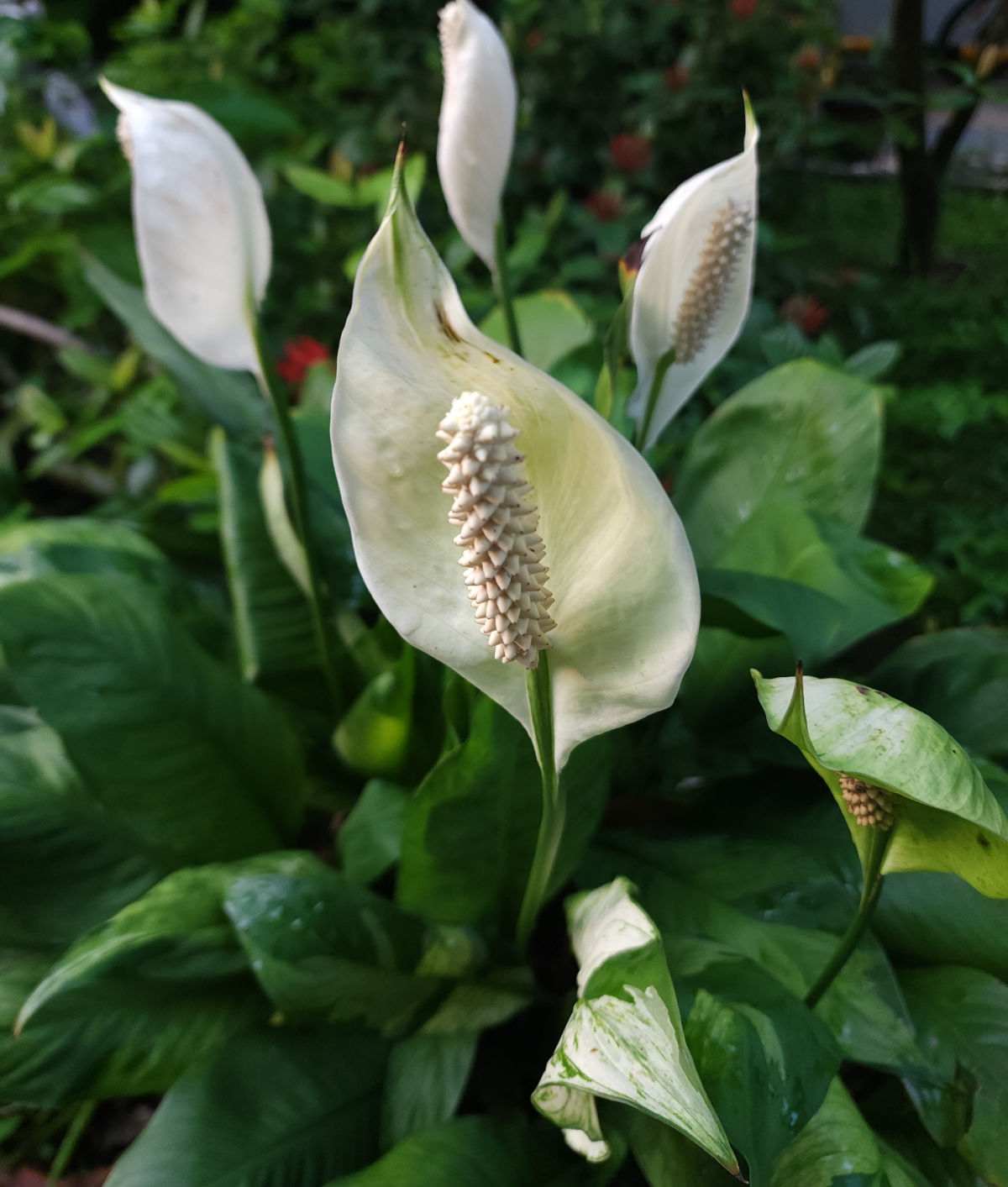
Peace lily (Spathiphyllum)
- Light: Tolerates low light and will continue to grow, but blooms more reliably in bright indirect light.
- Key features: Elegant white flowers, glossy green foliage, and one of the easiest flowering houseplants to grow indoors.
- Best use: Living rooms, bedrooms, and offices where you want a flowering plant in lower light.
Get our tips for growing peace lilies indoors here.

Parlor palm (Chamaedorea elegans)
- Light: Thrives in low to medium light and dislikes harsh direct sun.
- Key features: Graceful, feathery fronds with a compact growth habit that suits indoor spaces.
- Best use: Apartments, offices, and corners with limited natural light.
Purchase live parlor palms here.

Spider plant (Chlorophytum comosum)
- Light: Adapts well to low light but produces the best leaf color and more plantlets in bright indirect light.
- Key features: Easy to grow, produces baby plants, and is simple to propagate.
- Best use: Hanging baskets, shelves, and beginner-friendly indoor gardens.
Learn how to propagate spider plants from their babies in this guide.
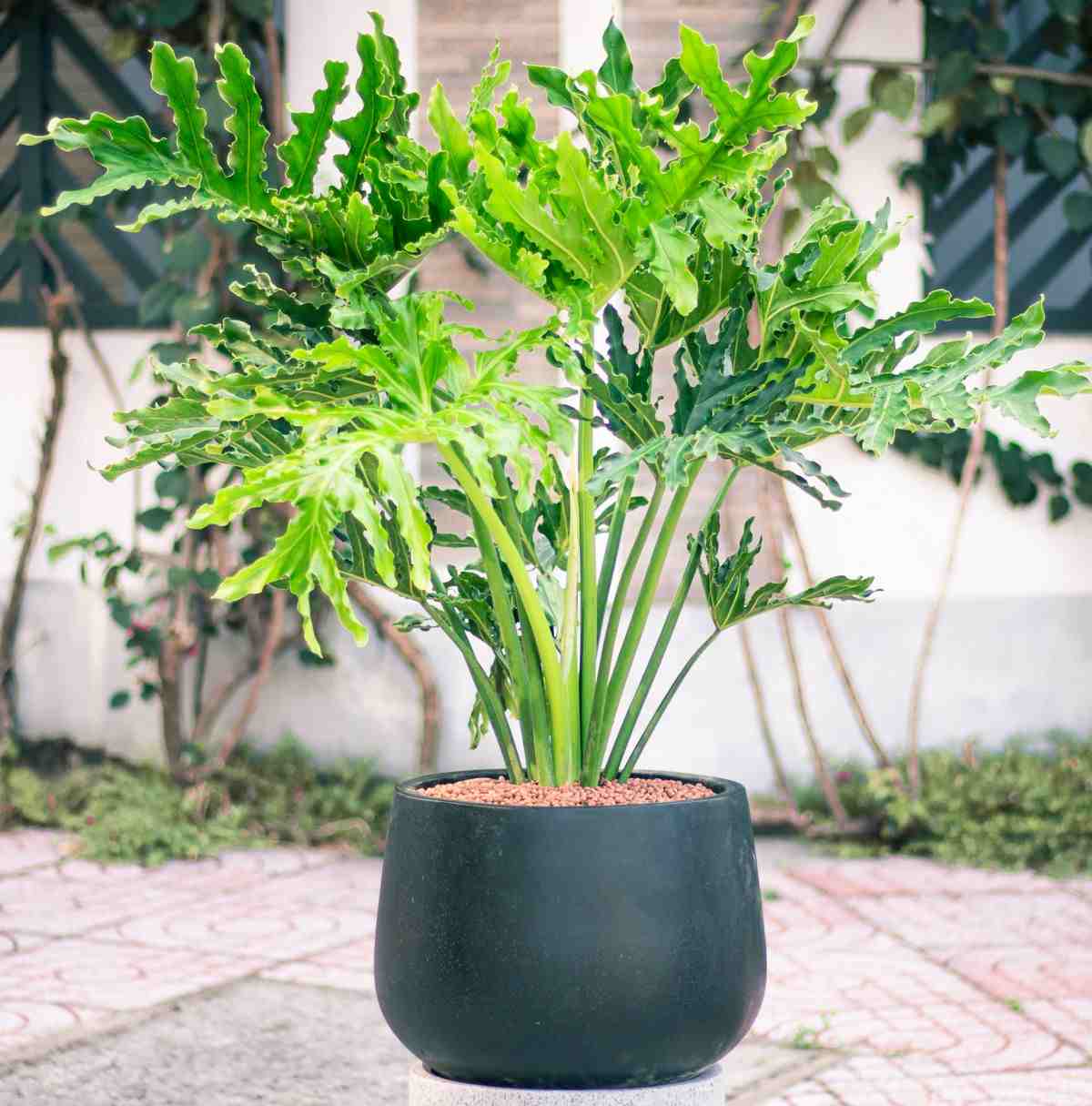
Split Leaf Philodendron – (Philodendron bipinnatifidum)
- Light: Tolerates low light but develops larger, healthier leaves in bright indirect light.
- Key features: Large, deeply divided tropical foliage that creates a bold indoor statement.
- Best use: Spacious living rooms, entryways, and rooms with filtered natural light.
Buy split-leaf philodendron plants here.
See my complete guide to growing philodendrons here.

Corn plant (Dracaena fragrans)
- Light: Performs well in low light but grows more vigorously in medium to bright indirect light.
- Key features: Attractive arching foliage, upright growth, and easy-care nature.
- Best use: Offices, family rooms, and low-light spaces needing vertical interest.
For growing tips on this low-light plant, see my guide to growing corn plant.

Dumb Cane Plant – (Dieffenbachia)
- Light: Tolerates low light, although variegated varieties develop better leaf color in brighter indirect light.
- Key features: Large patterned leaves, lush tropical appearance, and relatively fast growth.
- Best use: Living rooms, home offices, and indoor spaces with filtered light.
- Note: all parts of dieffenbachia are poisonous to humans and pets if ingested.
Learn how to grow dumb cane plants here.
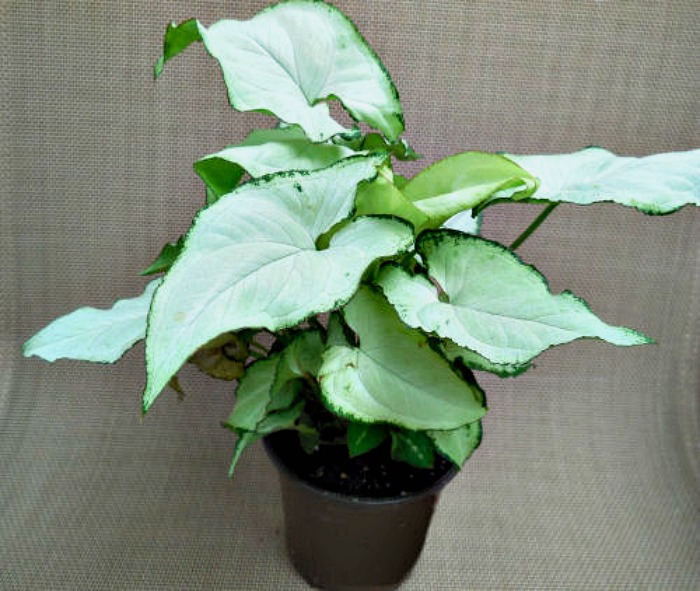
Arrowhead plant – (Syngonium podophyllum)
- Light: Grows well in low to medium light and adapts easily to typical indoor conditions.
- Key features: Attractive arrow-shaped leaves, compact growth when young, and trailing stems as it matures.
- Best use: Tabletops, shelves, hanging planters, and small indoor spaces.
See my guide to growing arrowhead plants here.
Low-light-tolerant houseplants
These plants can survive in low-light environments but typically prefer medium indirect light and may show slower growth or reduced flowering in dim conditions.

Swiss Cheese Plant – (Monstera deliciosa)
- Light: Tolerates low light but grows best in bright indirect light; may produce smaller or fewer splits and leaf holes in dim conditions.
- Key features: Large tropical leaves that develop natural splits as the plant matures.
- Best use: Statement plant for living rooms or larger indoor spaces with filtered light.
Etsy has a big range of Swiss cheese plants for sale.
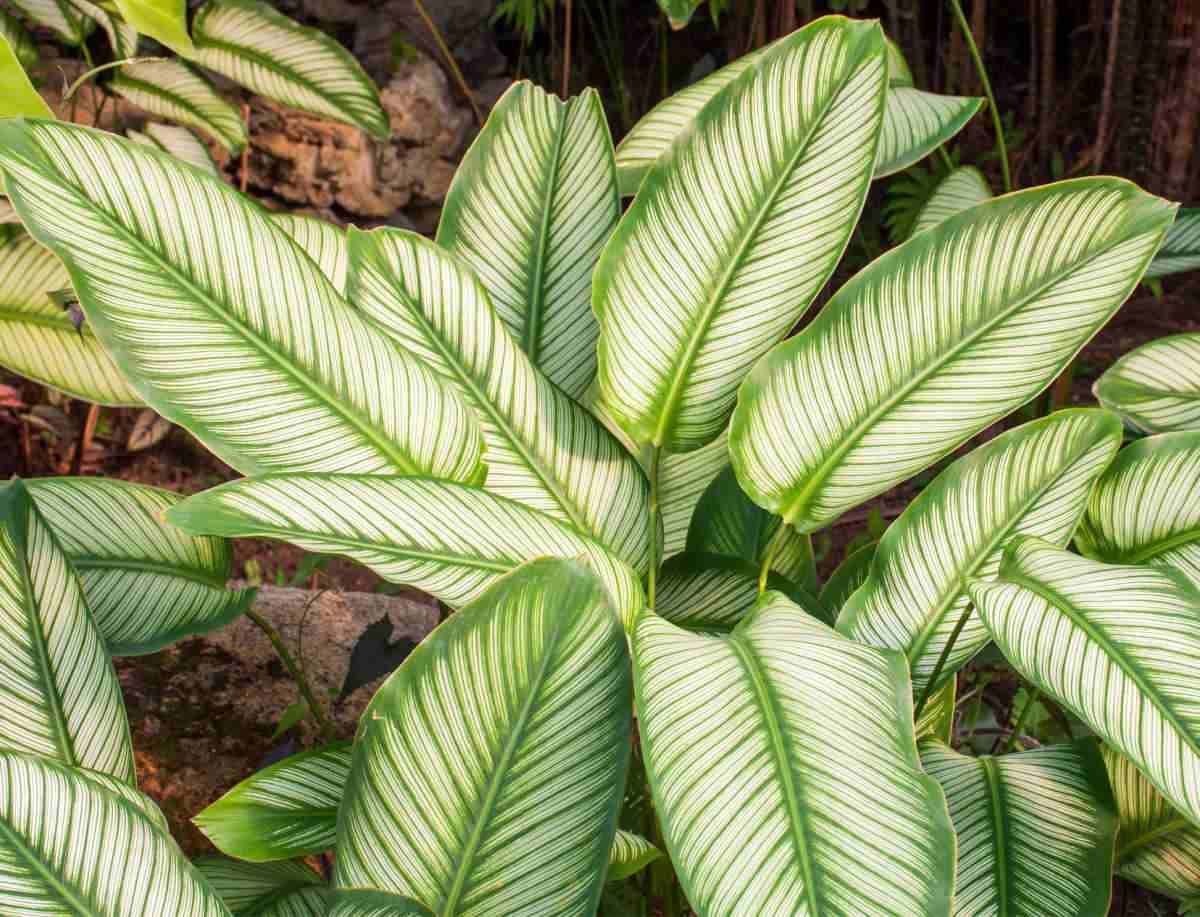
Calathea (Goeppertia)
- Light: Prefers medium indirect light but can tolerate lower light with slower growth and less vibrant leaf patterns.
- Key features: Highly decorative foliage with bold patterns and movement. Its leaves may fold at night.
- Best use: Bedrooms, offices, or decorative indoor plant displays in stable environments.
Shop for calathea plants here.
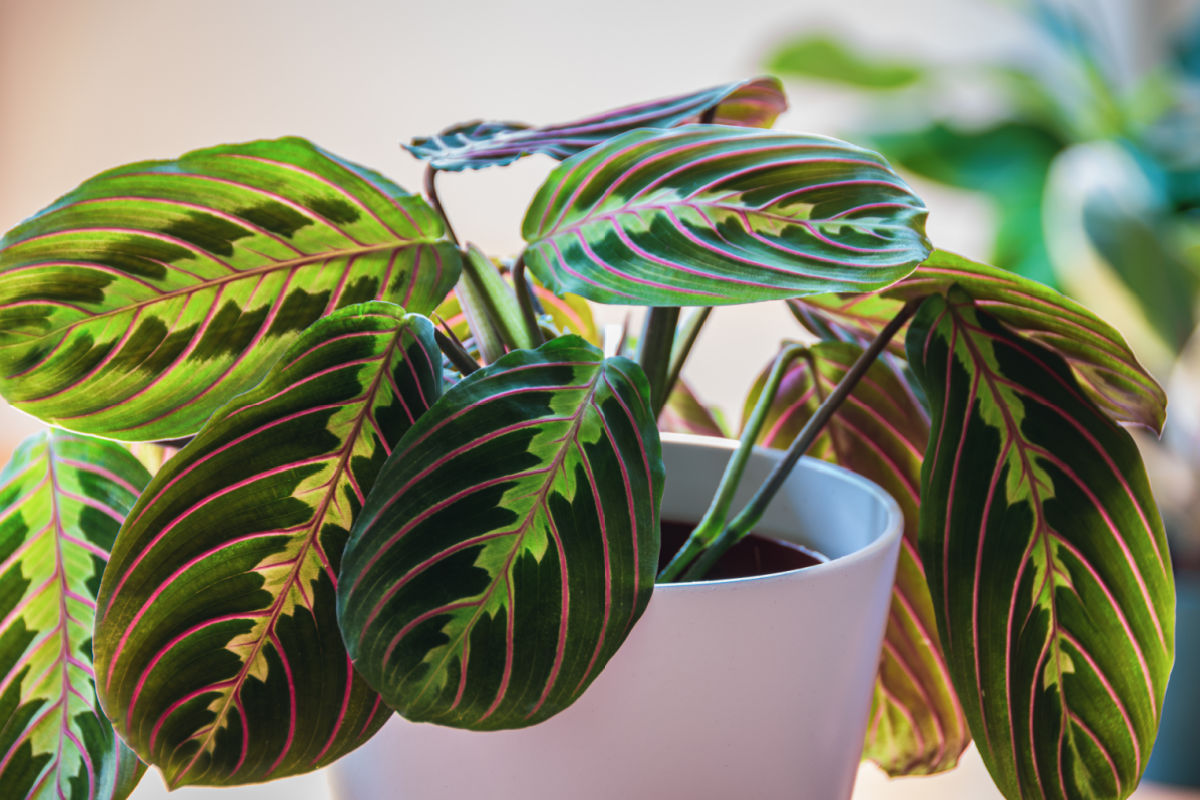
Prayer Plant (Maranta leuconeura)
- Light: Adapts to low light but performs best in medium indirect light to maintain strong leaf coloration.
- Key features: Distinctive patterned leaves that fold upward at night in response to light changes.
- Best use: Shelves, tabletops, and humidity-friendly indoor spaces.

Flamingo Flower – (Anthurium)
- Light: Tolerates low light but produces more blooms in brighter indirect light.
- Key features: Long-lasting waxy flowers in red, pink, or white with glossy green foliage.
- Best use: Indoor décor focal points where flowering color is desired.
See more tips on growing the Flamingo Flower Plant here.

Nerve plant (Fittonia albivenis)
- Light: Prefers low to medium indirect light but wilts quickly if light is too intense.
- Key features: Small leaves with striking vein patterns in white, pink, or red.
- Best use: Terrariums, small containers, or humidity-rich indoor setups.
See my tips on growing Fittonia albivenis here.

Watermelon Peperomia – (Peperomia argyreia)
- Light: Tolerates low light but maintains best leaf patterning in medium indirect light.
- Key features: Compact plant with silver-striped leaves resembling watermelon rind.
- Best use: Desks, shelves, and small indoor spaces.
Find out more about growing watermelon pepperomia here.

Lucky Bamboo Plant (Dracaena sanderiana)
- Light: Grows in low light conditions but prefers bright, indirect light for stronger growth.
- Key features: Easy-care plant often grown in water or soil with upright stalks.
- Best use: Offices, desktops, and minimalist indoor décor.
Find out more about growing lucky bamboo here.

Bromeliad urn plant (Aechmea fasciata)
- Light: Tolerates low light but needs brighter indirect light to flower reliably.
- Key features: Rosette-forming bromeliad with long-lasting central flower bracts.
- Best use: Decorative indoor plant for bright rooms with indirect sunlight.
Although most flowering plants need a lot of light to flower indoors, the Aechmea fasciata bromeliad pictured above flowered for almost 9 months on a ledge quite a long way from a window.

Purple passion plant (Gynura aurantiaca)
- Light: Tolerates low light but develops the richest purple color in bright, indirect light.
- Key features: Soft, velvety green leaves covered with vivid purple hairs that give the foliage its distinctive appearance.
- Best use: Hanging baskets, shelves, or containers where the colorful foliage can be displayed up close.
See how to grow a purple passion plant here. The plant is also very easy to grow from stem cuttings. See my tutorial and learn how to do it here.
List of pictures and names of low-light indoor plants printable
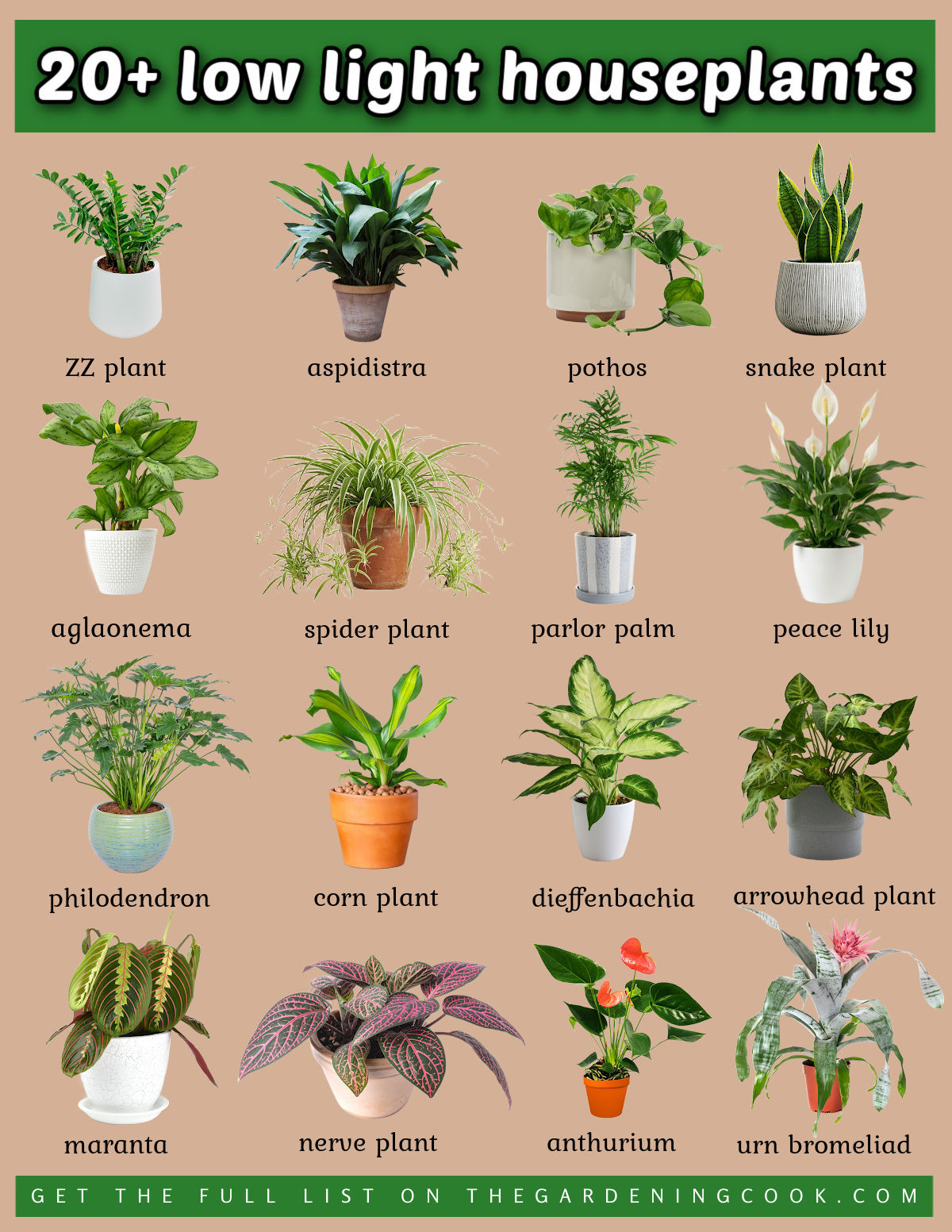
You can print the low-light houseplants printable as high-resolution JPGs or PDFs by using the links below:
- Get the high-resolution pictures of low-light plants printable (JPG)↗
- Get the PDF pictures of low-light plants printable (PDF)↗
Printing instructions:
- Select portrait orientation and “fit to page” on your printer settings for a full-page printout.
- You can also print out the list of pictures and names of low-light-tolerant houseplants from the project card at the bottom of this page. Scroll down to the card and press “print”.
More guides for growing indoor plants
Looking for more information on growing indoor plants?
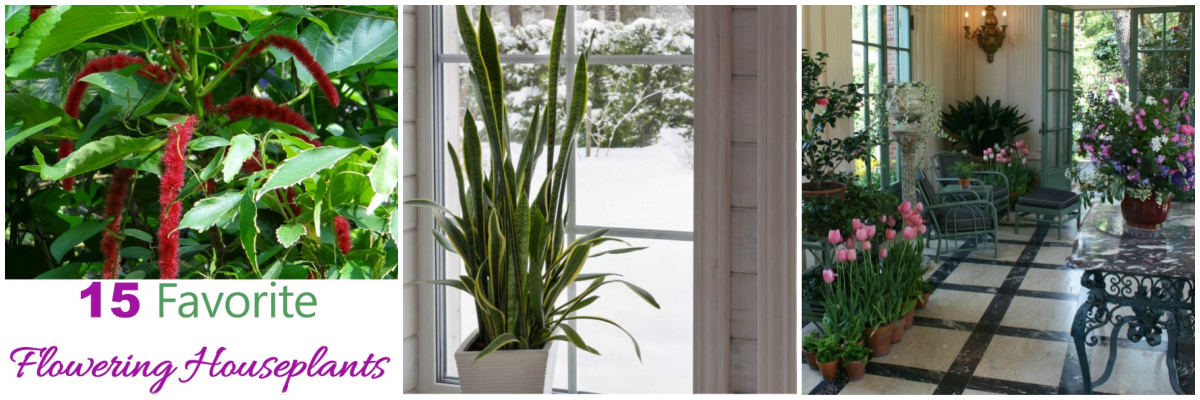
- Flowering Houseplants: 15 blooming indoor plants for a range of light conditions.
- Houseplant Care Tips for Winter: Keeping indoor plants healthy when light levels drop.
- Growing Indoor Plants: A beginner’s guide to growing potted plants indoors.
Share this list of types of low-light indoor plants on X
If you enjoyed discovering these plants for low light indoors, be sure to share this article with a friend. Here is a post to get you started:
🌿 Looking for houseplants that thrive with limited sunlight? Discover 21 low-light houseplants that are perfect for bedrooms, offices, living rooms, and other spaces with less natural light. Compare light needs, key features, and… Share on XPin these low-light houseplants for later
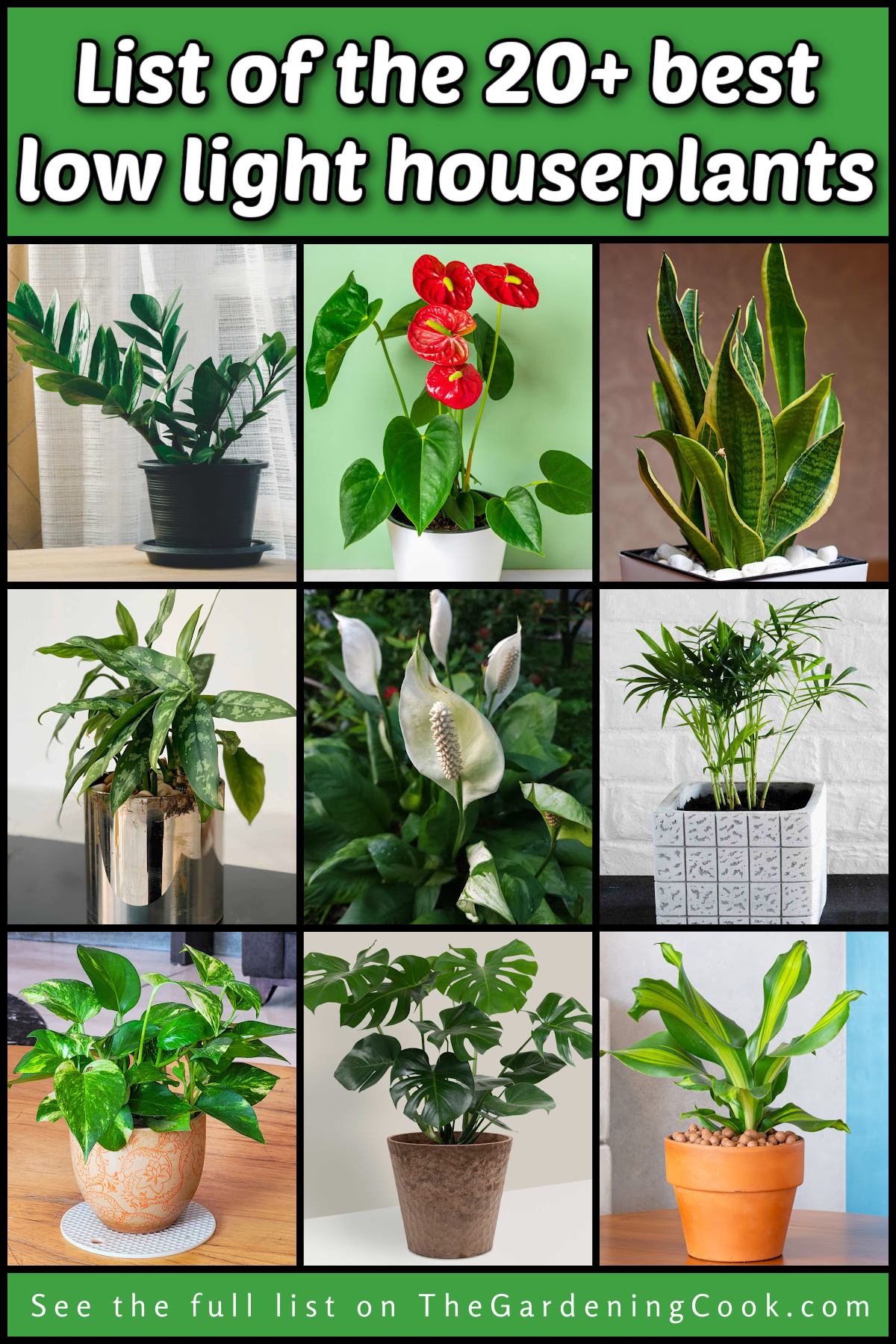
Would you like a reminder of the names and pictures of the best indoor plants for low light? Pin this image to one of your gardening boards on Pinterest so that you can easily find it later.
Admin note: This list of types of houseplants for low light first appeared on the blog in January of 2017. I have updated the post to add more plants, new photos, a low-light indoor plant printable, and a video for you to enjoy.
Low-Light Indoor Plants Printable Guide
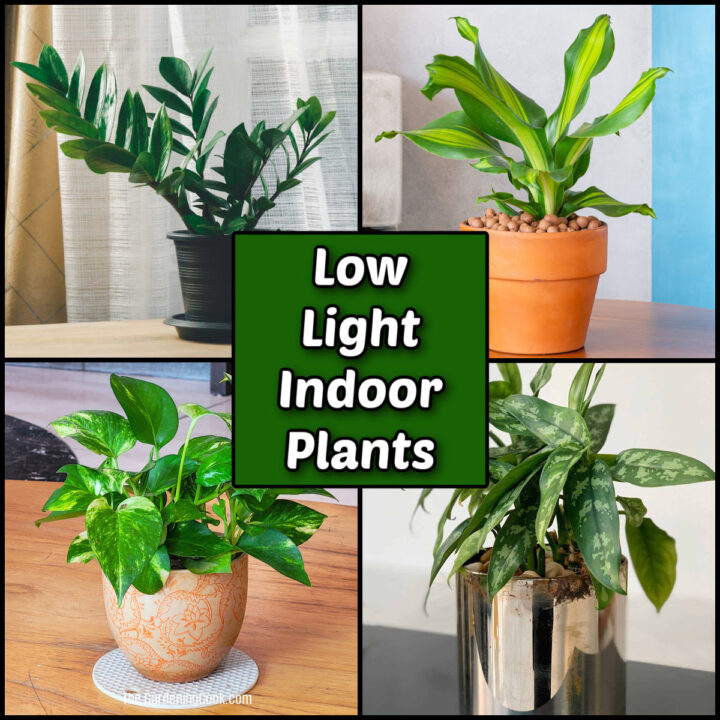
Download this free printable featuring 21 great low-light indoor plants. Use it as a quick reference to compare plants that thrive in rooms with limited natural light.
Materials
- Computer paper
Tools
- Computer
- Printer
Instructions
- Load your paper into your printer.
- Using the print function on this card will give you a list of the names and pictures of low-light houseplant printable that fills about ¾ of an 8.5 x 11-inch sheet of paper.
- Choose portrait layout and, if possible, "fit to page" (or 125%) in your settings.
- Prefer full-page printing? You can also print the list as a high-resolution file using your browser’s print feature: (PDF) | (JPG).
- Please note that creating free printables can be a time-consuming process. This low-light indoor plant guide is for personal use only. If you are sharing it (and thank you for that!), please link directly to this post, rather than to the actual image. We appreciate your help in supporting the site.
- This list of types of indoor plants for low light may not be used for any retail purpose or for mass distribution.
Notes
The shopping list of low-light houseplants below is an earlier printable. Note that I no longer recommend Boston fern, braided money tree, and Moth Orchids as reliable low-light plants.

Recommended Products
As an Amazon Associate and member of other affiliate programs, I earn from qualifying purchases.


Jacki
Sunday 10th of December 2023
One of my all time favorite plants that doesn't mind being in my north facing window is English ivy, Heder helix. Lots to choose from - I love the needlepoint types, and any that are variegated.
Carol Speake
Wednesday 13th of December 2023
Hi Jacki. I have English Ivy in planters by my front door which faces north and it grows very well there!
Ruby
Thursday 13th of June 2019
Love your article! So informative! Im definitely going to go check some of these plants out
Carol
Thursday 13th of June 2019
Thanks Ruby. Glad you enjoyed the post.